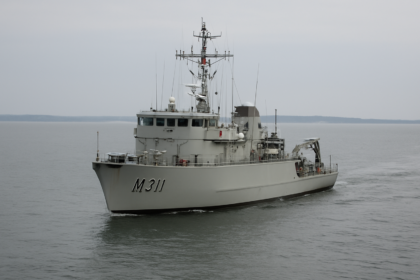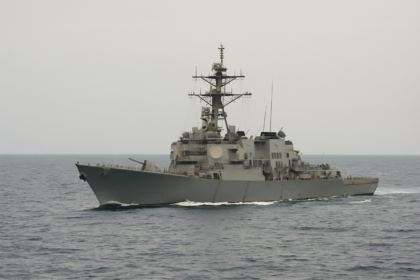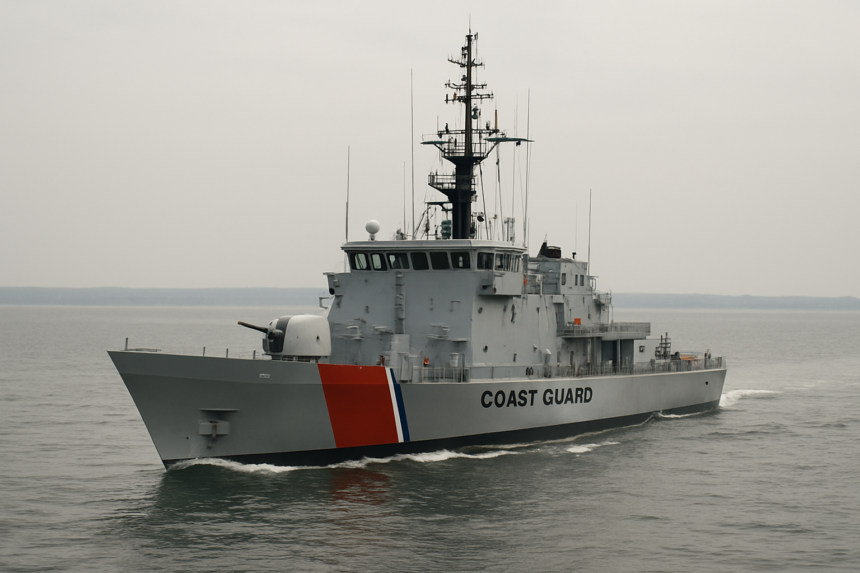
In a significant move to enhance maritime security, Sweden is fitting machine guns to its coast guard vessels in response to escalating tensions in the Baltic Sea, primarily attributed to threats posed by Russian-linked vessels. Civil Defense Minister Carl-Oskar Bohlin announced this initiative during a recent visit to the coast guard vessel Triton.

Bohlin emphasized that the heightened security situation in the region necessitates that the Swedish coast guard adapt to a new operational role, whereby the protection of personnel and capabilities to respond to diverse maritime threats are paramount. The KSP 58-type machine guns are set to be installed on Sweden’s three largest coast guard vessels, starting with Triton, and will continue to be rolled out across other vessels until 2030.
The Context of Baltic Security
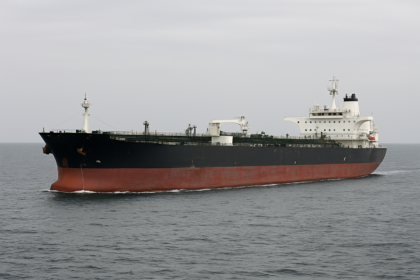
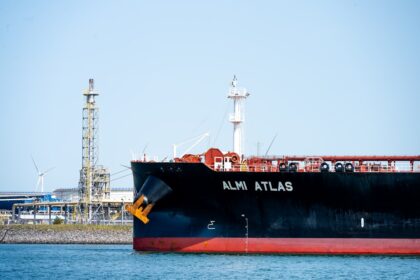
Sweden’s maritime strategy has shifted notably since becoming the newest member of NATO. The nation has heightened its vigilance against what it considers Russia’s ‘shadow fleet’ — a group of often inadequately maintained and poorly insured tankers engaged in transporting oil and goods across the Baltic Sea. Sweden’s coast guard has taken proactive measures, including boarding vessels suspected of navigating under false flags, in an effort to maintain security in these critical waterways.


Minister Bohlin noted Finland’s earlier adoption of similar armaments on its coast guard vessels, underscoring the necessity for regional collaboration in maritime defense. He conveyed that while Sweden may trail Finland in implementing such capabilities, it is positioned as one of the leading nations in the region for bolstering coastal defense.
Implications for Maritime Operations
The introduction of machine guns to coast guard operations is a direct response to the shifting maritime security landscape in the Baltic region. For operators and commercial vessels, this implies a heightened level of scrutiny and potential engagement from coast guard vessels during operations in these waters. Shipping companies may need to reassess their risk management strategies, particularly regarding routes that traverse the Baltic, to account for evolving security protocols and potential engagements with armed forces.
Furthermore, neighbouring countries may face pressure to strengthen their own maritime defenses in light of Sweden’s upgrades, which could lead to an arms race in the region’s naval capabilities. This dynamic could impact commodity flows and insurance premiums associated with transit through the Baltic Sea, prompting broader market considerations for operators.
The Operational Read
The operational reality in the Baltic Sea has shifted towards a landscape where security challenges are becoming increasingly pronounced. For shipping operators, this translates into a necessity for heightened awareness and preparation for engagement with a militarized coast guard, potentially affecting laytimes and demurrage costs. As coast guard protocols evolve, commercial vessels may encounter increased delays or inspections, leading to strategic adaptations in routing and operational planning. Monitoring developments in regional naval capabilities will be crucial for stakeholders in the shipping and maritime sectors as Sweden, along with its neighbors, fortifies its maritime defenses against emerging threats.