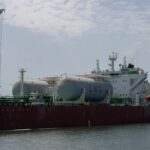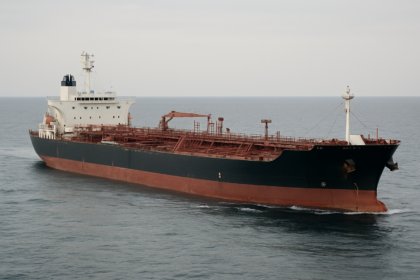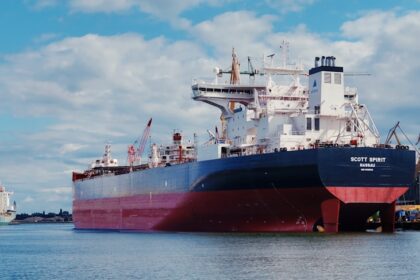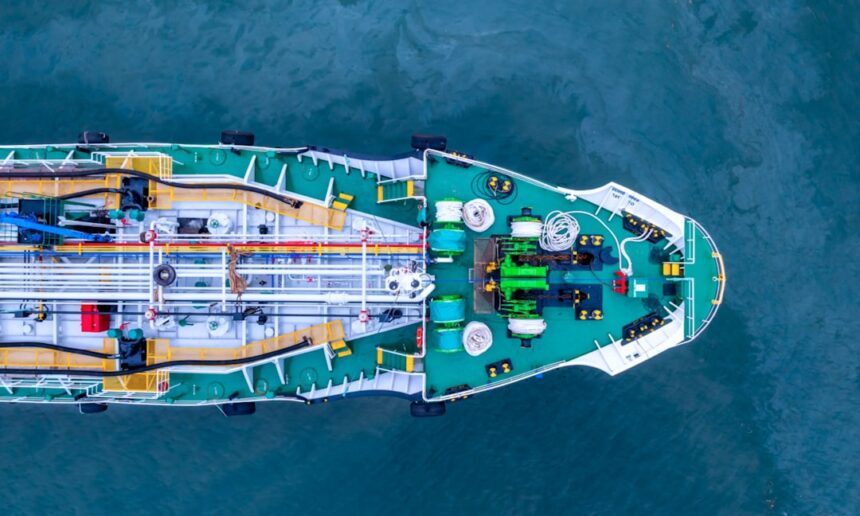
In a significant operational shift, six Saudi oil tankers are circumventing the critical Bab el-Mandeb strait, opting for a longer voyage around Africa. This decision comes as the threat from Houthi rebels targeting vessels in the Red Sea escalates. According to ship-tracking data, two very large crude carriers (VLCCs), Hazm and Dilam, have set their course for Gibraltar, a vital Mediterranean refueling hub, while the others—Ghinah, Laynah, Salam, and Burqan—are headed toward South Africa’s Durban and Algoa Bay, known waypoints for cross-continental shipping.
Context of the Diversion
Saudi Arabia has been compelled to rethink its shipping routes, particularly its crude oil flows from the Red Sea export port of Yanbu. As the geopolitical landscape shifts due to increased Houthi hostility, the nation is redirecting some shipments to Egypt’s Sidi Kerir on the Mediterranean coast. This shift is not only a maneuver for safety but also serves as an exploration of a new oil pricing mechanism for buyers, amplifying its strategic options in a complicated market environment.
Operational Implications
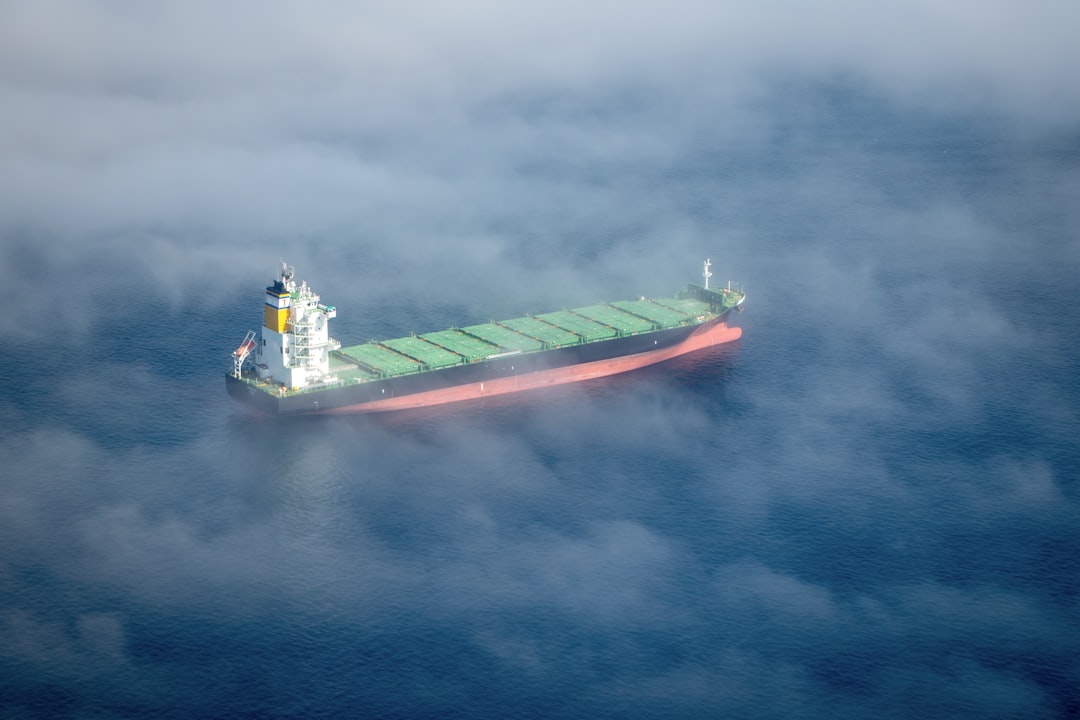
The decision to avoid the Bab el-Mandeb route, while increasing safety, significantly extends transit times by at least two weeks. The maritime community is monitoring this shift closely, as it reflects broader trends in oil transportation amidst rising security concerns. While some vessels, including those flagged from China and Pakistan, continue to transit Bab el-Mandeb, the paths of others are being recalibrated in light of risk assessments. Consequently, the number of commodity vessels crossing the strait has slightly fluctuated, maintaining a level of operational activity despite the backdrop of increased threats.


The Operational Read
The diversion of Saudi oil tankers highlights critical operational realities for shipping operators navigating volatile geopolitical waters. For charterers and ship owners, understanding the implications of rerouting strategies is crucial, particularly as it affects laytime calculations, demurrage potential, and overall shipping costs. The security of maritime routes will continue to influence shipping patterns, with operators weighing the immediate costs of longer voyages against the potential hazards of high-risk areas. Monitoring developments from stakeholders, particularly those in insurance and shipping, will provide valuable insights into evolving operational practices as geopolitical tensions persist.