Update 13 Aug 2026, 06:33 UTC:
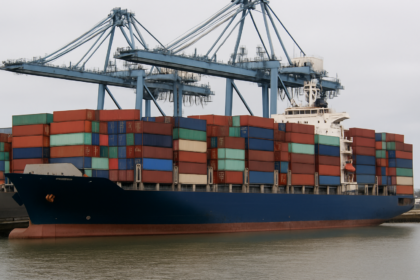
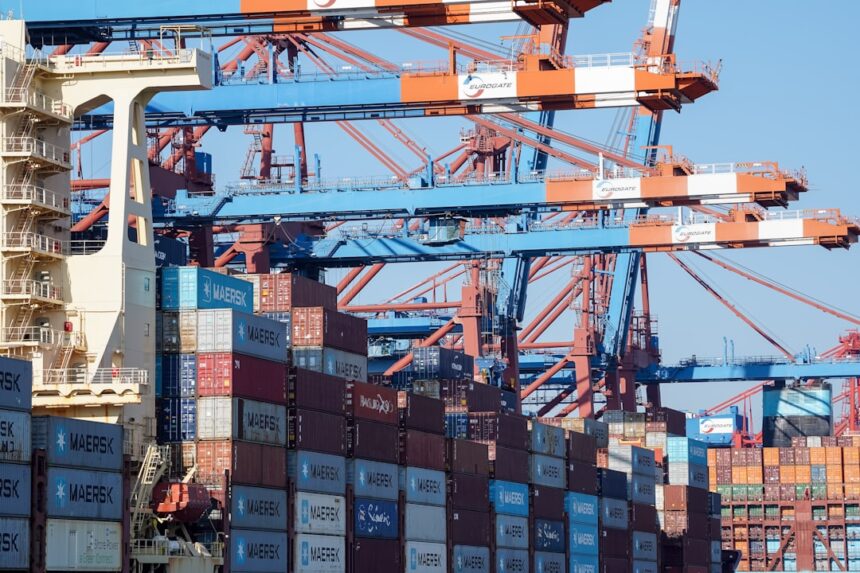
Taiwanese shipping firm Wan Hai Lines has solidified its growth strategy by ordering eight new container vessels with Shanghai Waigaoqiao Shipbuilding, following recent stock exchange disclosures. The total value of these contracts is estimated to be around $980 million, representing a significant investment in the company’s fleet expansion.
Order Details
The latest order comprises one container vessel with a capacity of 9,200 TEU, designed to be methanol dual-fuel ready, and seven additional vessels each capable of carrying 11,000 TEU. This dual-fuel capability is increasingly important for compliance with emerging emission regulations and reflects Wan Hai’s commitment to meeting environmental standards in the shipping industry.

Strategic Implications
With this investment, Wan Hai reinforces its operational capacity in a competitive market. The decision to include dual-fuel technology in the design of the 9,200 TEU ship aligns with the industry’s ongoing transition toward sustainable practices. The inclusion of these advanced vessels is also expected to enhance the company’s competitive edge in terms of efficiency and regulatory compliance.
Market Context
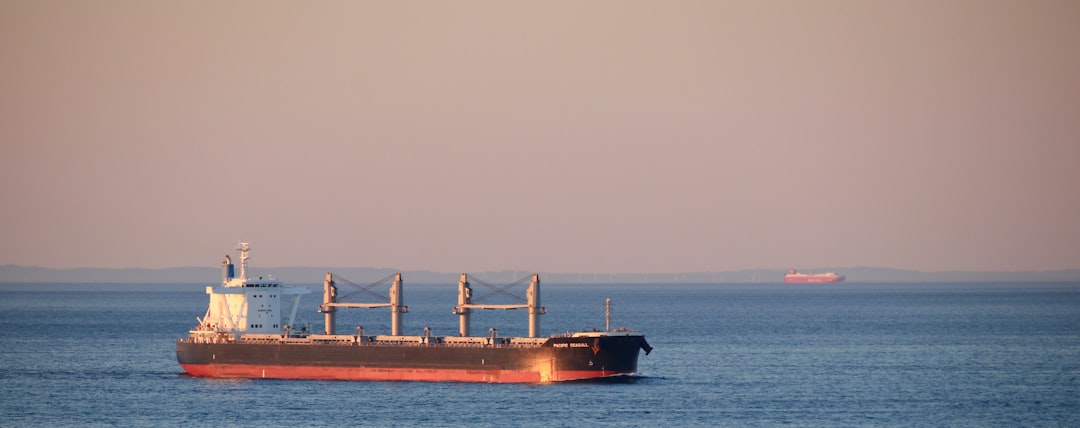
The expansion comes at a time when global container shipping demand remains high, despite fluctuations in the supply chain. Wan Hai’s proactive approach to fleet modernization is indicative of broader trends where shipping companies are increasingly investing in larger, more efficient, and environmentally friendly vessels to stay competitive in the market.
Behind the Headline
The recent initiative by Wan Hai exemplifies the pressing need for shipping operators to adapt to regulations mandating emissions reductions. By ordering dual-fuel capable vessels, the company is positioning itself to mitigate future risks associated with compliance and fuel costs, particularly as the industry shifts toward more sustainable fuels like methanol. Operators should monitor further developments in vessel technologies and market demands, as these factors will have lasting impacts on operational strategies and profitability in the coming years.