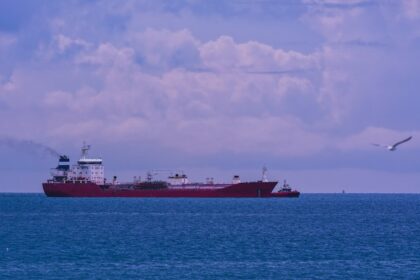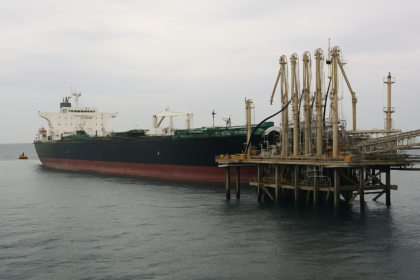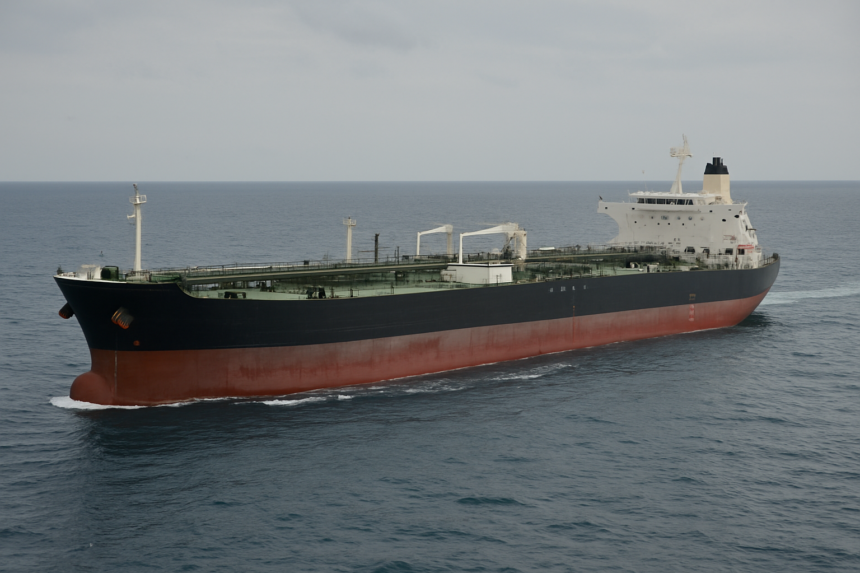
Late Monday, a tanker was struck by an unknown projectile about 8 nautical miles east of Limah, Oman, while transiting southbound near the Strait of Hormuz. The United Kingdom Maritime Trade Operations (UKMTO) confirmed the incident, noting that the projectile impacted the vessel’s port side and ignited a fire on board. Fortunately, there were no casualties or pollution reported. Investigations into the incident are currently underway.

The Security Context
This incident follows a period of relative calm in the Strait of Hormuz following last month’s ceasefire agreement between the U.S. and Iran. The ceasefire had led to a gradual return of commercial vessels to this highly strategic waterway, essential for global oil passage. However, UKMTO and the Joint Maritime Information Center (JMIC) have reiterated that the threat level in the region remains substantial, emphasizing ongoing risks associated with navigational safety.
The attack near the entrance to Hormuz is particularly alarming as it happened within the newly expanded U.S.-coordinated southern transit corridor. This corridor was introduced to mitigate risks posed by recent military operations and mine hazards, which previously made the traditional Traffic Separation Scheme unsafe. The U.S. Naval Forces Central Command has encouraged coordination but has made it clear that such coordination is not mandatory.

Market Implications
The disruption of tanker operations in the Strait of Hormuz, through which approximately one-fifth of global oil supplies pass, could have significant ramifications for global oil markets. With security agencies monitoring the situation closely, the potential for increased war-risk premiums for shipping operators is a concern. The recent incident serves as a reminder of the precarious balance between resuming normal operations and the underpinning threats that may affect shipping routes.
Shipping traffic through the region has shown signs of recovery after a series of previous disruptions. Nonetheless, vessel operators are encouraged to remain vigilant and comply with best management practices by keeping their Automated Identification Systems (AIS) activated, navigation lights on, and conducting normal VHF communications.
The Operational Read
The recent projectile strike highlights the persistent security challenges operators face in the Strait of Hormuz. The introduction of the southern transit corridor has somewhat alleviated immediate navigational hazards, but the presence of elevated risks requires ongoing caution. Shipping operators should enhance their situational awareness and continue monitoring maritime advisories from security agencies. As the geopolitical landscape evolves, the ability to respond swiftly to emerging threats will be crucial for maintaining safe and efficient operations in one of the world’s most vital maritime chokepoints.