President Donald Trump claimed that the United States has “total control over the Hormuz Strait,” further exacerbating tensions between Washington and Tehran. This statement, made at Joint Base Andrews, reflects the increasing hostilities surrounding deadlocked negotiations over this crucial maritime passage.
Trump’s assertion comes in light of Iran’s ongoing resistance, marked by intermittent attacks on commercial vessels navigating the strait. The U.S. has accused Iran of threatening maritime security in this vital corridor, through which approximately a fifth of the world’s oil and liquefied natural gas historically transits.
Challenges in Negotiations
As diplomatic talks remain stagnant, further complicating the scenario, recent comments from Pakistan’s defense minister, Khawaja Asif, suggest that both nations might be “close to some sort of arrangement” regarding the strait. However, the optimism from Pakistani officials contrasts with the rhetoric from U.S. leadership, indicating deep-seated challenges ahead.

Since the establishment of an interim peace accord in June, ongoing maritime incidents have rendered its terms effectively obsolete. Qatar and Pakistan are currently mediating discussions, with Pakistan’s Interior Minister Mohsin Naqvi conveying messages from Prime Minister Shehbaz Sharif to Iranian officials in Tehran. These talks aim to explore pathways to restore stability to the strait, which remains a focal point of geopolitical contention.
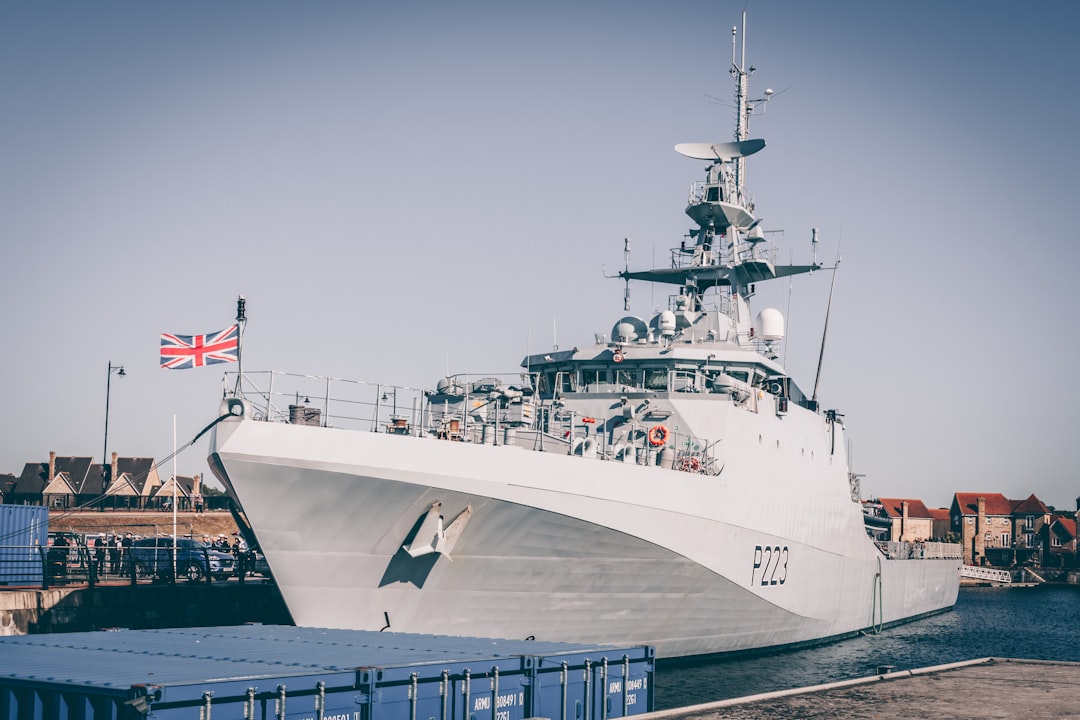
Iran’s Position
In recent developments, Iran’s newly appointed security council secretary, Mohsen Rezaee, indicated that agreements reached with Oman regarding the strait would not equate to a comprehensive reopening of maritime traffic. He emphasized that Tehran has communicated additional demands to Washington through intermediaries, including calls for the end of hostilities and the release of blocked Iranian assets.
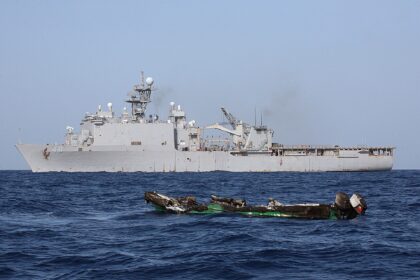
The situation is further complicated by the U.S. resuming its naval blockade of Iranian ports, illustrating the strategic maneuvers by both sides. Meanwhile, former U.S. Deputy Secretary of State Wendy Sherman articulated concerns over the protracted stalemate, highlighting that without significant diplomatic concessions, the strait’s status may remain contentious for the foreseeable future.
The Operational Read
The ongoing tensions in the Hormuz Strait underscore the precariousness of maritime operations in a region critical for global energy supplies. Shipping operators must brace for potential disruptions from not only military activity but also the implications of increased war-risk premiums. Any escalation may prompt rerouting decisions, directly impacting transit times and operational costs. Stakeholders are advised to monitor developments closely, as the interplay between diplomacy and military readiness will significantly affect maritime traffic through this vital chokepoint in the coming months.