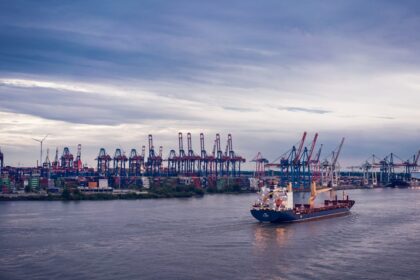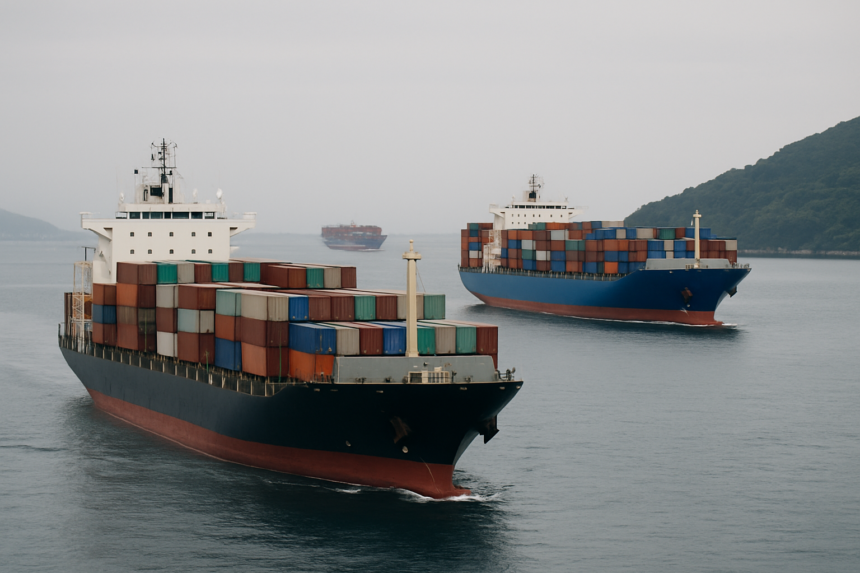
Oman has communicated to European officials that a return to the pre-war conditions at the strategically critical Strait of Hormuz is not feasible. According to sources cited by Bloomberg News, Omani officials have indicated that ships traversing the waterway may incur fees for various services, including navigation assistance and de-pollution efforts aimed at maintaining a safe maritime environment.
Fee Structure Considerations
The potential introduction of fees for vessels navigating the Strait of Hormuz highlights the evolving geopolitical landscape in the region. While Oman has expressed its commitment to complying with international maritime law, it remains unclear whether all such charges would be compulsory. The sultanate is currently evaluating fee systems in operation at other global chokepoints, notably the Malacca Strait, where no mandatory charges are enforced.
Geopolitical Context
Regional concerns are mounting, particularly among the U.S., Europe, and neighboring Gulf Arab states, regarding the possibility of Oman forming a tolling agreement with Iran for passage through the strait. This prospect raises significant questions about the future of maritime operations in one of the world’s busiest shipping lanes. As a measure of proactive diplomacy, French President Emmanuel Macron is set to meet Sultan Haitham bin Tariq in Paris to discuss the security of maritime routes, emphasizing the importance of free and unimpeded passage through Hormuz.

The Operational Read
The potential for a fee structure in the Strait of Hormuz introduces another layer of complexity for operators, charterers, and shipping lines. If implemented, these fees could significantly impact shipping costs and operational planning, especially for those who heavily rely on this vital chokepoint for oil and goods transportation. Operators will need to closely monitor discussions between Oman and Iran, as well as any developments from the upcoming meeting between Macron and Sultan Haitham. The shift from a free passage model to one involving charges may lead to changes in shipping routes, with implications for laytime and demurrage considerations across affected operations.