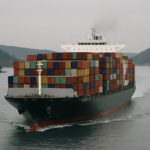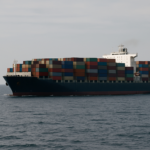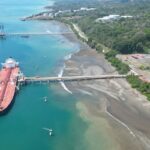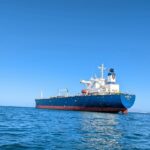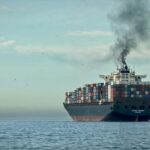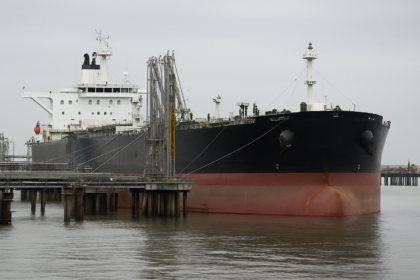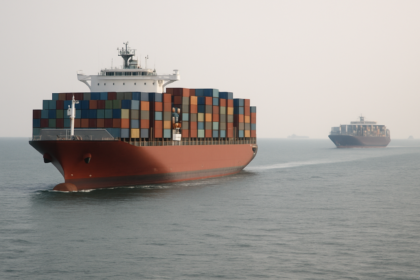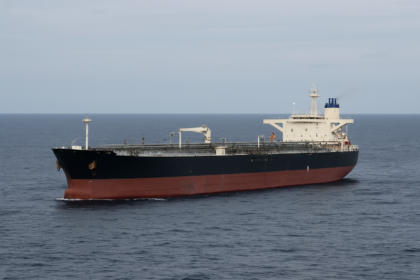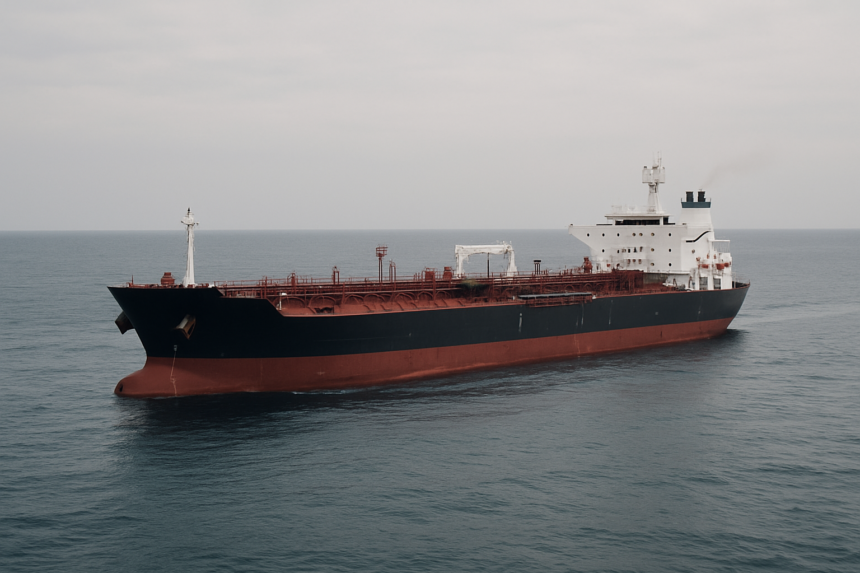
The recovery of global oil markets is increasingly contingent upon the stability of the Strait of Hormuz, according to the latest report from the International Energy Agency (IEA). The report highlights the impact of recent escalations in violence, particularly between the United States and Iran, which threaten to disrupt shipping and oil supply once again.
Recent Developments
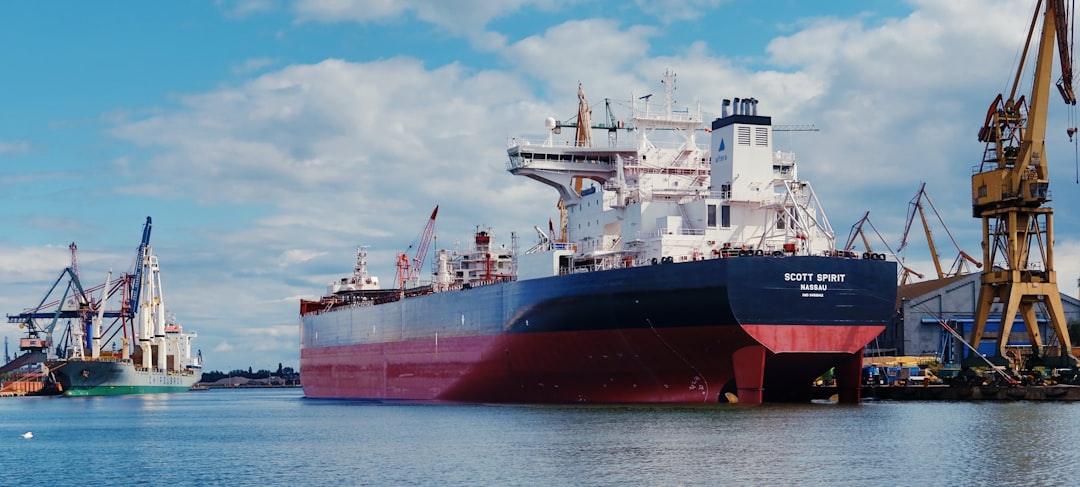
In its July Oil Market Report, the IEA noted that global oil demand is rebounding from a low in May, with seasonal consumption rising as crude production from the Persian Gulf has partially resumed. The easing of shipping restrictions in the Strait of Hormuz in early July has allowed for a recovery in tanker movements, which has raised oil supply levels to approximately 98.8 million barrels per day (mb/d).
However, the IEA cautioned that renewed hostilities on July 7 and 8 could jeopardize these gains. “Renewed exchanges of fire in the Gulf this week highlight the risks of not reaching a lasting peace agreement, which is crucial for normalizing oil markets,” the agency stated.

Market Conditions
The recent fighting has sent benchmark oil prices fluctuating sharply. Crude prices fell to around $68 per barrel by early July but rose back to approximately $77 per barrel amid ongoing tensions. Despite increased crude production and exports from Gulf producers, these remain significantly below pre-conflict levels—about 9.4 mb/d under the previous figures recorded before the outbreak of violence.
In terms of exports, Gulf oil surged by 6.5 mb/d throughout June, partially owing to U.S. compromises on Iranian exports for security reasons. This has provided a temporary boost to the market, although crude production improvements remain modest at 3.5 mb/d.
Despite the rebound in tanker movements, global observed oil inventories rose for the first time in four months, suggesting a further build-up in availability. However, refined fuel markets are experiencing significant tightness that is affecting diesel and gasoline supplies, which are still not fully restored following previous disruptions.
The Operational Read
The ongoing conflict dynamics in the Strait of Hormuz present a challenging environment for operators and charterers looking to restore normalcy in shipping operations. The precarious balance between security and open trade routes remains at the forefront of strategic planning for oil shipping companies. As global demand begins to recover amid rising consumption projections for the second half of the year, maintaining safe passage through the Strait will be crucial in fulfilling the anticipated increase in oil supply and stabilization of prices. Stakeholders should closely monitor geopolitical developments, as further escalations could significantly influence chartering decisions, insurance costs, and overall market sentiment.