Update 09 Jul 2026, 14:34 UTC:
In a significant escalation of military engagement, the United States launched a second consecutive day of strikes against Iranian military targets in response to attacks on commercial vessels transiting the Strait of Hormuz. According to U.S. Central Command (CENTCOM), Wednesday’s operations focused on approximately 90 sites within Iran, including vital air defense systems, coastal surveillance assets, and naval infrastructure.
The Military Campaign
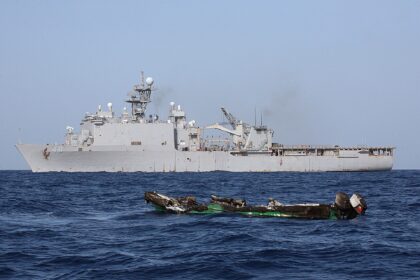
The recent U.S. military actions follow prior strikes targeting about 80 military positions the previous day, which reportedly included over 60 small boats used by the Islamic Revolutionary Guard Corps (IRGC) in maritime aggressions against merchant shipping. The U.S. aims to impose significant costs on Iran in light of these provocations. CENTCOM reiterated the preparedness of U.S. forces, underscoring a commitment to defend maritime security.


The operational scope of these strikes has seemingly broadened, now encompassing not only IRGC assets but also the infrastructural support network that enables Iran to threaten shipping routes along its coastline. This shift indicates a strategic pivot towards undermining Iran’s maritime monitoring capabilities.
Regional Implications
The renewed military action follows a breakdown of a ceasefire agreement reached earlier in June, which momentarily eased hostilities and allowed for a return of commercial shipping to the Strait of Hormuz. Both U.S. and Iranian officials now accuse each other of violating the terms of the memorandum, with Iran asserting that future maritime operations will occur only under Iranian control.
Iranian leadership has reacted sternly to the escalation. Mohammad Bagher Ghalibaf, the Speaker of Iran’s Parliament, emphasized that any U.S. strikes will have repercussions, adding that the Strait of Hormuz will not be opened to American threats. This indicates a firm resistance from Iran regarding its control over maritime traffic in the strategic chokepoint.
The Operational Read
The ongoing hostilities in the Strait of Hormuz have significant implications for global shipping and energy markets. As tensions escalate, operators may face increased risks, potentially leading to heightened war-risk premiums and insurance costs. With freedom of navigation now tightly contested, shipping routes may require reevaluation, and vessels could experience delays or rerouting. Furthermore, companies engaged in the region must prepare for fluctuating operational environments, as responses from Iran to U.S. military actions could affect commercial shipping with increased scrutiny and potential disruptions. Monitoring the ongoing developments will be crucial for stakeholders in navigating the evolving geopolitical landscape.