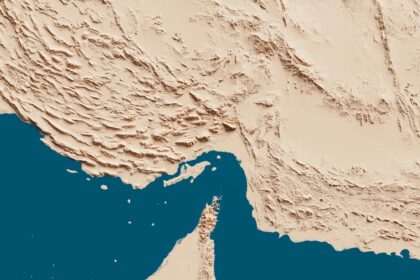
The International Maritime Organization (IMO) governing council formally condemned Iran’s recent assertions of sovereignty over the Strait of Hormuz during a session on July 10, 2026. The decision calls upon member states to reject Iran’s unilateral declaration to establish control over maritime traffic in this critical shipping lane.
The Incident
Iran’s unilateral efforts include the creation of the Persian Gulf Strait Authority, which claimed authority over vessels passing through the strait, demanding permits for navigation. This measure follows a week marked by increased tensions, including U.S. military airstrikes in response to attacks on commercial shipping allegedly orchestrated by Iranian forces.
International Response
The IMO council’s non-binding resolution emphasized that Iran’s sovereignty claims conflict with the rights of neighboring states and international navigation. The United States, Iran, and several Gulf nations engaged in discussions that revealed deep divisions regarding the future governance of the Strait of Hormuz. The IMO council strongly condemned any attempts by Iran to obstruct maritime passage, urging its 176 member states to stand united against these claims.

During the session, delegations from the U.S. and Gulf countries reaffirmed their commitment to safeguarding vital shipping routes, while Iran’s representatives dismissed the allegations against its actions as politically motivated and devoid of legal basis. They argued that their measures aim to enhance maritime safety and protect national security interests.
Market Impact
The ongoing tensions threaten to destabilize global oil supply lines, with the Strait of Hormuz being a crucial chokepoint for maritime traffic. The IMO’s decisive stance reflects a concerted international desire to maintain open navigation within the strait, despite Iran’s contentious positioning. Shipping operators should prepare for potential disruptions and increased risk premiums as the situation evolves.
The Operational Read
The IMO’s resolution against Iran’s claims signals significant ramifications for shipping operations in the region. Operators and charterers must closely monitor developments, as any escalation could lead to increased laytime due to delays in securing passage permits or rerouting vessels. Additionally, market participants may face higher war-risk premiums, thus impacting operational costs. The focus will likely center on maintaining navigational security while balancing geopolitical risks, as ongoing negotiations between the U.S. and Iran could either stabilize or further complicate the maritime landscape in the Strait of Hormuz.