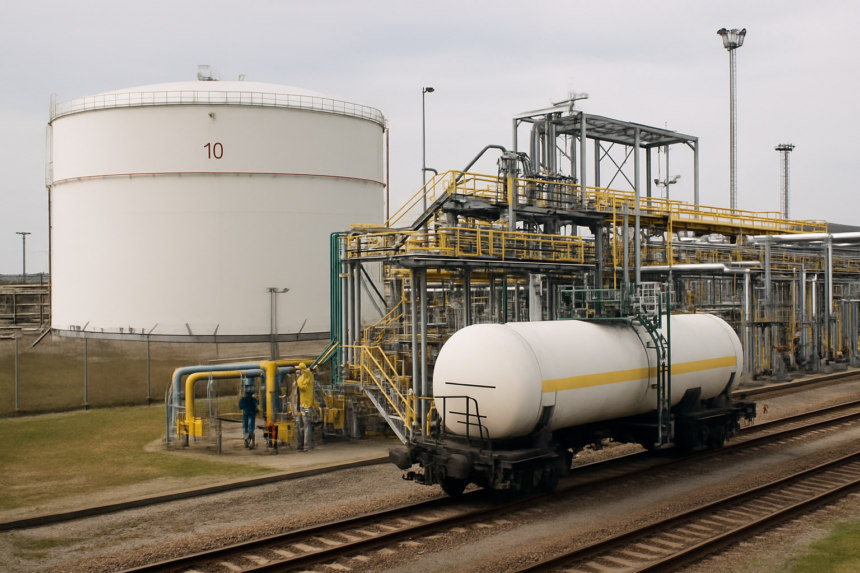
Overnight on Saturday, a substantial drone attack on St. Petersburg and its vicinity disrupted oil infrastructure, intensifying the fuel crises for Russia amidst ongoing conflicts. The strike was confirmed by multiple sources, including local authorities and Ukrainian President Volodymyr Zelenskiy, who emphasized that the target was part of the military-related energy infrastructure supporting Russia’s war efforts.
Details of the Attack
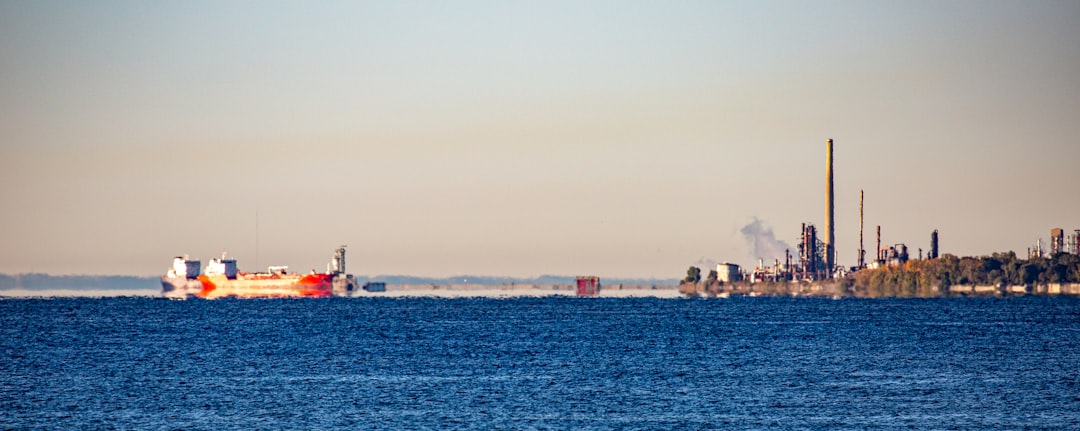
Governor Alexander Beglov of St. Petersburg described the drone assault as “large-scale,” affecting an oil terminal vital to local and national energy supplies. The nearby Vysotsk port, located approximately 170 km northwest of St. Petersburg, also faced a drone strike, although specific details on the damages or operational disruptions at the port remain undisclosed. Notably, Vysotsk is a critical nexus for oil, grain, coal, and liquefied natural gas transportation.
Impact on Fuel Availability
Reports indicate a severe downturn in fuel accessibility across St. Petersburg, with lines forming at gas stations as residents grapple with fuel shortages. Local media captured images of long queues, illustrating the significant impact of the attack on civilian logistics. As citizens report outlets running dry, fuel stations in Gatchina, a town within the Leningrad region, have become centers of frustration for many. In response to these crises, President Vladimir Putin signed amendments to the tax code aimed at bolstering the domestic fuel market, attempting to provide incentives for higher-octane fuel production.


The Broader Context
This recent escalation in drone activity on Russian energy infrastructure aligns with a broader Ukrainian military strategy aimed at debilitating Russia’s logistical frameworks and revenue sources. The attacks signify a thorough commitment from Ukraine’s defense forces to not only strike military targets but also to impact daily life in Russia through the disruption of essential services, such as fuel delivery. The Russian response has included increased defensive measures, although local authorities reported that more than 30 drones were downed overnight in the region.
The Operational Read
The continuing Russian drone strikes underscore a complex operational environment where supply chain vulnerabilities are becoming evident. The direct targeting of strategic energy assets is likely to amplify the challenges faced by operators and companies reliant on these infrastructures. Increased tensions along these fronts could further drive shipping costs and market volatility, making it crucial for shipping operators to monitor evolving geopolitical developments closely. The connection between fuel availability and military logistics will be critical to watch, especially as these measures begin to reverberate through Russian domestic markets and external trade relations.