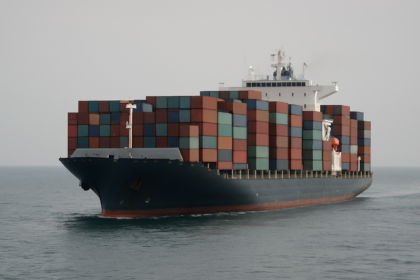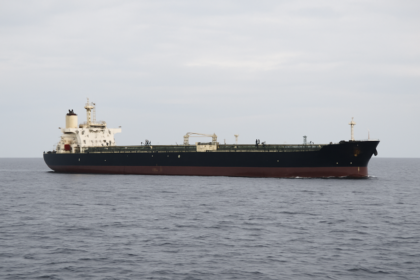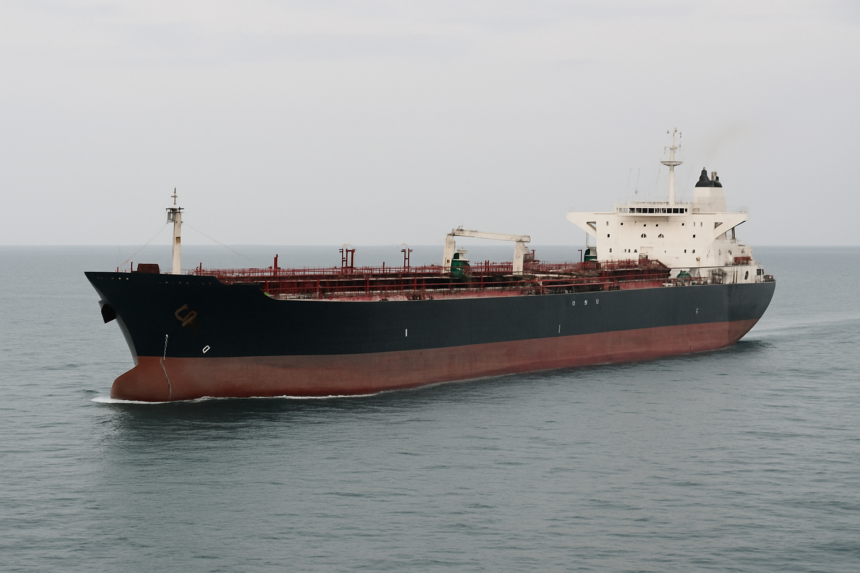
Indirect technical talks between the United States and Iran held in Doha this week have resulted in a temporary agreement aimed at maintaining calm in the Strait of Hormuz for a duration of seven days. This development represents a critical pause amidst a backdrop of ongoing tensions that threaten the stability of one of the world’s most important maritime corridors.
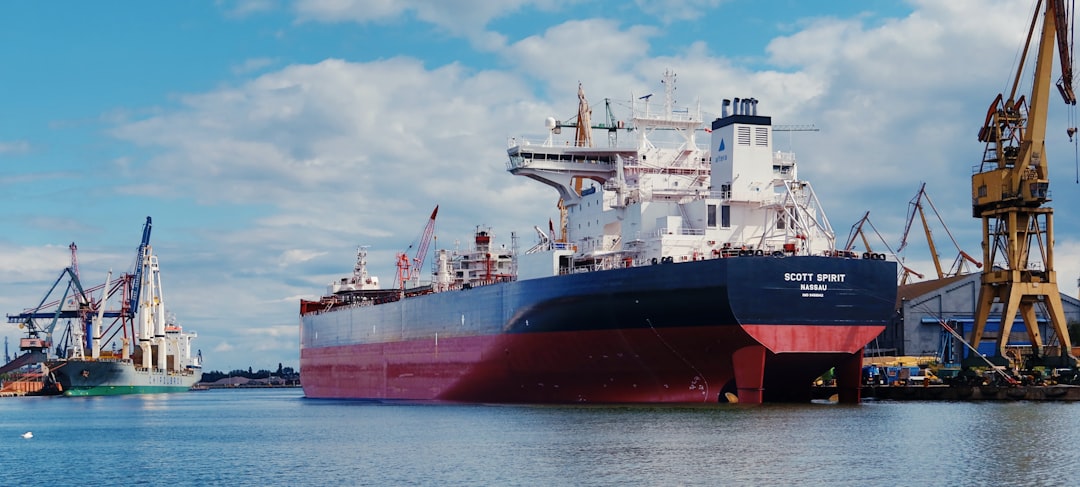
The Negotiation Landscape
Discussions, which are reported to be deadlocked over terms related to a memorandum of understanding previously signed by both parties, entered their second week within a larger 60-day negotiation framework. The lack of progress underscores the complexities that define U.S.-Iran relations, particularly concerning maritime security.
The Strait of Hormuz is a strategically significant chokepoint for global oil transit, with substantial volumes of crude passing through its waters daily. Thus, the ramifications of any potential failure in negotiations may extend well beyond regional borders, affecting global energy markets and shipping routes.


Market Considerations
The temporary agreement to minimize disruptions can provide a small measure of relief for shipping operators who remain vigilant regarding potential escalations. However, the industry is aware that this lull may not indicate a lasting solution to the geopolitical tensions that plague the region.
As both nations continue to navigate the delicate balance of diplomacy, maritime stakeholders must prepare for possible shifts in operational conditions. Increased war-risk premiums and alterations in trade routes may emerge as these discussions unfold.
The Operational Read
The operational implications of the recent negotiations cannot be understated. While the seven-day period of calm offers temporary respite, the enduring uncertainty posed by stagnant talks warrants careful navigation by ship operators and charterers. Shipping companies should monitor geopolitical developments closely, as any abrupt changes may necessitate reevaluation of risk assessments, potentially leading to increased insurances and re-routing decisions. The industry should also prepare for fluctuations in oil prices, intrinsically tied to developments in the Strait of Hormuz, and possible impacts on laytime and demurrage as vessels adjust to new realities.