A helicopter operated by Saudi Aramco crashed on Sunday morning in Ras Tanura, a strategic hub for the country’s energy sector, resulting in the loss of all 14 passengers aboard. The Saudi Press Agency confirmed the incident occurred at 6 a.m. local time, while the Ministry of Energy is actively investigating the causes.
The Context of Ras Tanura
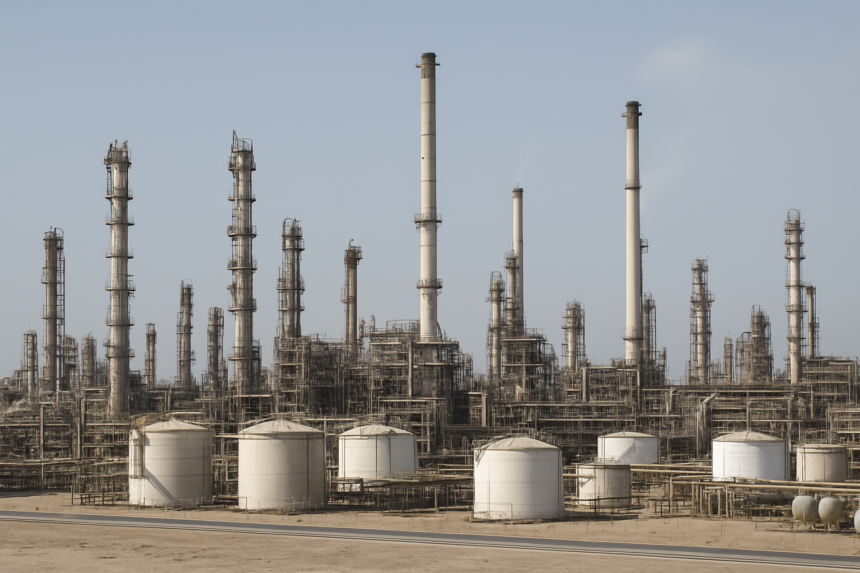
Ras Tanura is critical to Saudi Arabia’s oil industry, housing the nation’s largest refinery and essential export infrastructure. The crash comes at a precarious time as Aramco had just restarted loading crude at the terminals, which had been shut down since February due to the ongoing Iran conflict.
The incident’s timing is particularly alarming as the region has seen heightened tensions, with the U.S. and Iran involved in retaliatory military actions over the past few days. Previous attacks included incidents in the Strait of Hormuz and strikes targeting U.S. assets in nearby countries. Such military engagements exacerbate existing vulnerabilities within the energy market, which had been showing signs of recovery following an interim peace deal between the U.S. and Iran.


Implications for Energy Operations
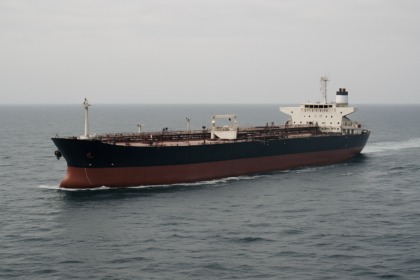
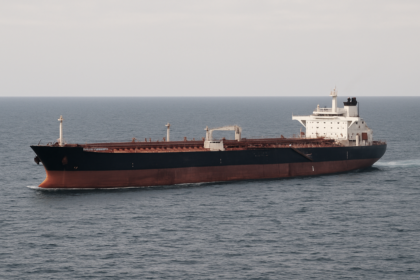
Prior to the crash, operations in Ras Tanura seemed to be stabilizing, with two very large crude carriers loading at offshore facilities. This marked a significant step in restoring production levels, as these were the first shipments since the early stages of the Iran conflict. Reports indicate that crude exports from the Gulf have surged to approximately three-quarters of their prewar volumes, contributing to a decline in oil prices to near $72 per barrel.
The area had previously faced escalated risks early in the conflict, prompting Aramco to temporarily halt refinery operations following drone strikes. Any further disruptions resulting from the helicopter crash could hinder recovery efforts in the oil sector, which is under scrutiny as it attempts to navigate geopolitical challenges while meeting global energy demands.
The Operational Read
The operational implications of this incident are significant for the Saudi energy sector and global oil markets. With safety concerns on the rise in an already unstable geopolitical environment, operators must enhance their risk assessments, particularly in strategic locations like Ras Tanura. The potential for further disruptions in oil exports could lead to fluctuating fuel prices and impact charterers’ decisions regarding logistics and supply chain strategies. Moving forward, stakeholders will need to monitor both local investigations and international diplomatic developments closely, as these factors will directly affect operational stability and market dynamics in the region.