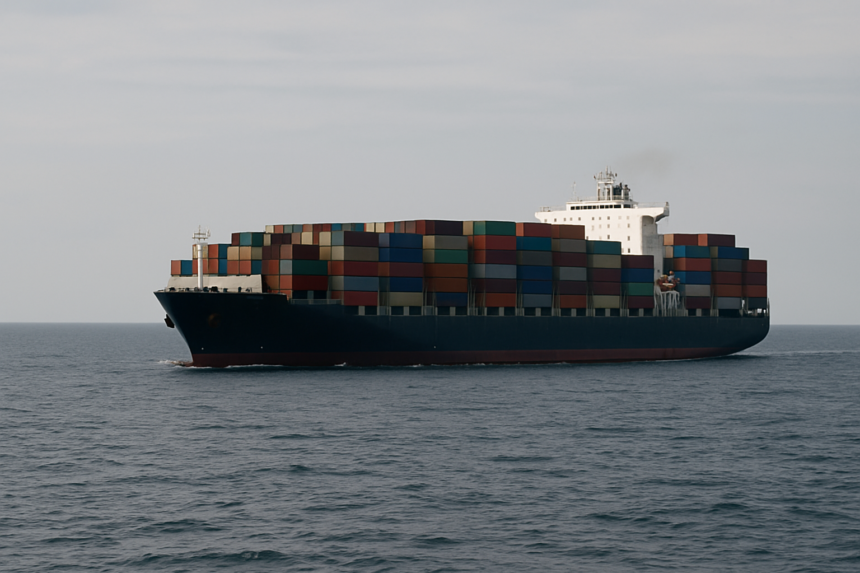
Typhoon Bavi has caused significant disruptions to maritime navigation and vessel supply along the coasts of Taiwan and China. As reported by the ECMWF and monitored through the Windy platform, the storm is currently classified as a Category 1 typhoon. The downgrade in intensity has not mitigated the effects on regional shipping operations.
The Impact on Vessel Activity
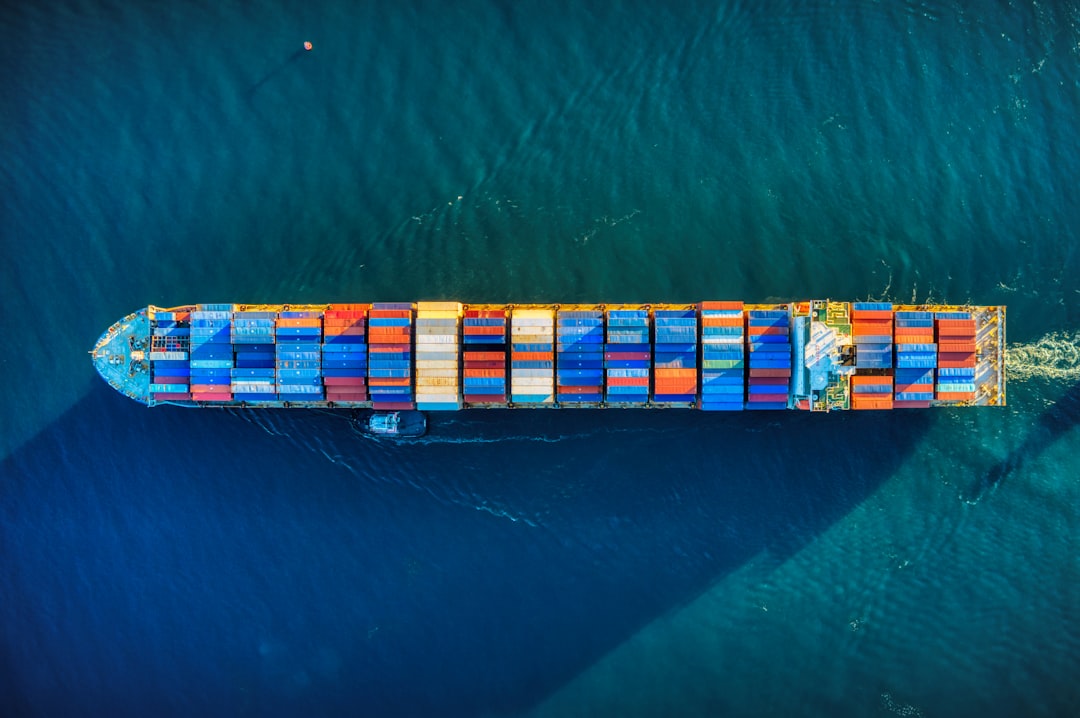
The most notable effect of Typhoon Bavi has been observed at the Shanghai port, where vessel activity has plummeted by 50%. Earlier this week, the port was bustling with 180 vessels at berth, but that number has now decreased to 83 as of Friday, 10th of July. This dramatic drop signals a significant slowdown in dry bulk operations, which are particularly sensitive to such weather disruptions.
Regulatory Measures and Safety Precautions
In response to the typhoon’s approach, the China Maritime Safety Administration has issued several safety bulletins, imposing navigation restrictions to ensure the safety of vessels and crews. These measures reflect a standard operating procedure during severe weather events, aimed at minimizing risks associated with high winds and turbulent sea conditions.

Despite forecasts indicating that winds may begin to ease as Bavi makes landfall, elevated conditions are expected to persist until Monday or Tuesday next week. This protraction of adverse weather conditions is likely to continue affecting port operations, not just in Shanghai, but also extending from Shanghai to Qingdao.
Anticipated Challenges Ahead
As operations struggle to regain their normal tempo during and after the storm, shipping companies will need to make strategic decisions regarding vessel routing and cargo handling. The ongoing implications for laytime and potential demurrage for vessels delayed in port will require careful management by operators to minimize financial impact.
Behind the Headline
The operational challenges posed by Typhoon Bavi underscore the vulnerability of maritime logistics to severe weather events. The steep decline in vessel activity at Shanghai port reflects immediate repercussions in the dry bulk market, as operators may face increased costs due to delays and heightened risk during rerouting. Key issues to monitor include the resumption of normal operations post-typhoon and potential shifts in regional shipping routes as operators adapt to changing conditions. Companies engaged in the trade must remain vigilant for safety updates from maritime authorities to navigate the aftermath efficiently.