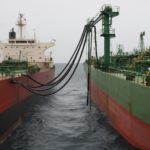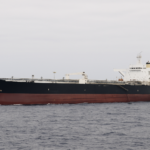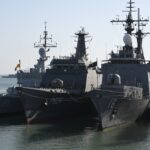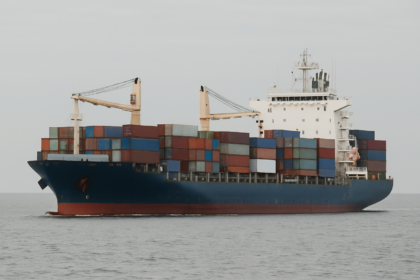
U.S. Central Command (CENTCOM) has publicly reaffirmed that the Strait of Hormuz remains open for commercial shipping, following claims from an Iran-linked organization that declared the strait closed. CENTCOM stated via social media that ‘hundreds of ships’ have successfully transited the waterway in recent weeks, emphasizing that safe transit pathways are still available.
The Incident
This assertion came in direct response to a notice from the so-called Persian Gulf Strait Authority (PGSA), which announced a closure, instructing vessels that had previously received transit permits to hold until further guidance. The PGSA’s notice cited increased tensions due to U.S. military activity in the region, declaring, ‘The Strait of Hormuz will be closed until further notice.’
On the international front, Arsenio Dominguez, Secretary-General of the International Maritime Organization, emphasized the ongoing risks in the strait. He previously warned that, despite a recovery in vessel traffic, no reliable security assurances existed, urging caution among shipowners regarding crew safety in the area.


Geopolitical Context
The exchange illustrates the intensifying conflict over control and authority pertaining to the Strait of Hormuz, which remains a crucial maritime chokepoint. The Trump administration has consistently dismissed Iranian assertions of authority over this strategic passage. In recent remarks, President Trump stated unequivocally that ‘the United States of America controls the Strait of Hormuz — not Iran,’ following reports of U.S. operations supporting the safe transit of over 200 commercial vessels that exported more than 100 million barrels of oil globally.
The PGSA, which emerged during escalating U.S.-Iran hostilities earlier this year, claims jurisdiction over vessel transits through the strait and has sought to impose routing rules in cooperation with Iranian authorities. In May, the U.S. Treasury Department sanctioned PGSA, accusing it of working with Iran’s Islamic Revolutionary Guard Corps (IRGC) to mandate a permission-based transit regime. In a warning issued to the shipping industry, Treasury Secretary Scott Bessent indicated that companies engaging with this organization could face sanctions, emphasizing that any fees incurred would ultimately be recovered from Iranian assets.
The Operational Read
The current situation regarding the Strait of Hormuz underscores the complex interplay of military, diplomatic, and operational factors affecting global maritime trade. For operators, the reaffirmation by CENTCOM that the strait remains navigable provides some reassurance; however, the PGSA’s claims reflect a troubling trend of increased regulatory scrutiny. The insistence by Iran on asserting control could lead to heightened operational risks, including potential disruptions or delays for vessels in transit. Charterers and owners must remain vigilant and assess their risk management strategies in these volatile waters while monitoring ongoing negotiations between the U.S. and Iran, as any shift in policy could dramatically alter the operational landscape for commercial shipping through this essential corridor.