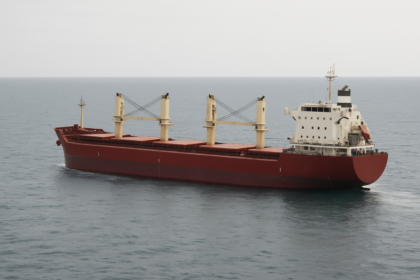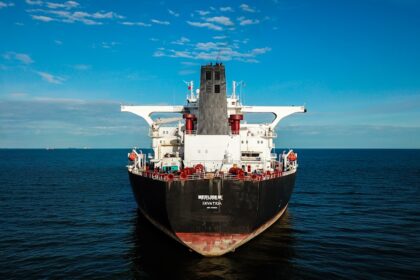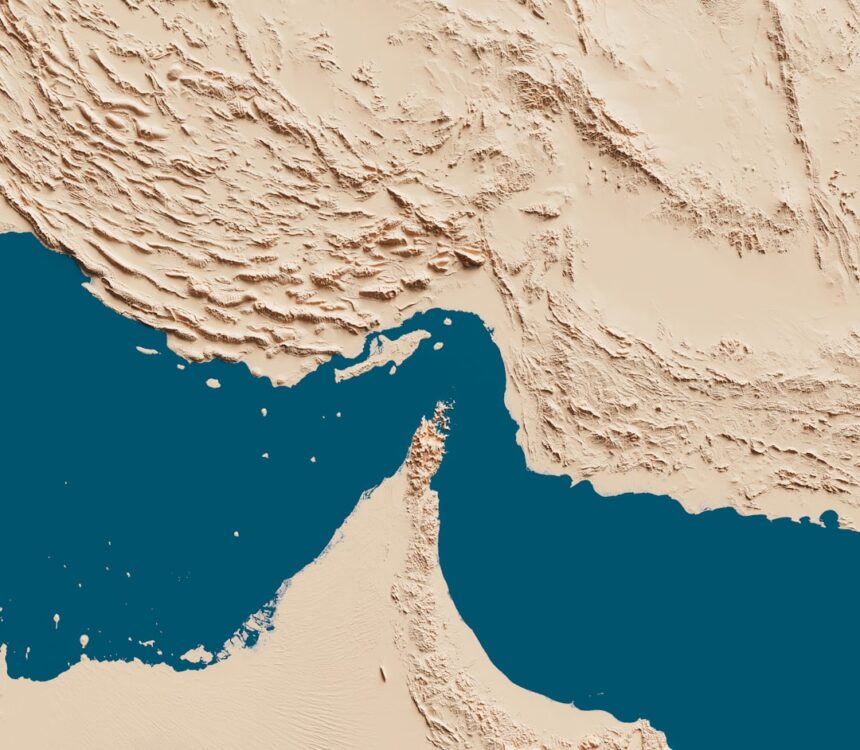
Iran’s Persian Gulf Shipping Administration (PGSA) has published a ‘Non-Compliant Vessels List’ identifying 46 ships that allegedly violated regulations for transiting the Strait of Hormuz. These vessels are warned they may incur severe penalties, including fines, detention, and even confiscation if they attempt future passages through this strategic waterway.
The Incident
The PGSA’s announcement stresses the ongoing enforcement of Iranian transit regulations, with the agency explicitly advising shipowners, charterers, and cargo interests to thoroughly screen vessels prior to establishing new voyages to and from Persian Gulf ports. This comprehensive list serves as a stark reminder of the risks associated with navigating this vital maritime corridor and the potential legal and financial repercussions of non-compliance.
Among the vessels identified is the MINOAN DIGNITY (IMO 9294484), which suffered engine-room damage and crew casualties after being struck while transiting the Strait on August 18. Other notable mentions include AL BAHYAH (IMO 9937799) and MOMBASA B (IMO 9739501), both of which were reportedly attacked in Omani waters during July.

Market Impact
The implications of Iran’s designation are profound for maritime operators. According to Martin Kelly, Head of Advisory at EOS Risk Group, the current situation heightens the risk profile for companies trading through the Gulf region. The PGSA’s move indicates an intentional strategy to bolster Iran’s enforcement regime beyond the individual transit, threatening to penalize any vessel engaging in commercial operations with those deemed non-compliant.

This new enforcement direction could disrupt chartering agreements and ship-to-ship transfers, as vessels conducting such operations with the identified ships may also be vulnerable to designation. The PGSA’s strong language leaves little room for misinterpretation, effectively warning of wide-ranging consequences for operators neglecting compliance with Iranian rules.
Operator Response
In light of these developments, shipping operators are advised to act immediately by screening their fleets against the non-compliant vessels identified by PGSA. The list touts a significant representation of vessels linked to UAE, Greece, and India, with notable proportions of gas carriers and tankers. Companies must revisit their operational practices and compliance measures to mitigate risks stemming from potential sanctions exposure, particularly given the U.S. government’s stance on Iranian maritime operations.
The Operational Read
The issuance of the Non-Compliant Vessels List by PGSA signals a critical shift in Iran’s approach to controlling maritime activities in the Strait of Hormuz. For operators, the immediate focus should be on fleet evaluation and compliance checks against the 46 IMO numbers listed. The potential for increased sanctions risk necessitates heightened vigilance in operational planning, particularly for charterers involved in contracts with vessels operating in close proximity to designated ships. Going forward, market participants must closely monitor developments in Iranian maritime policy and its enforcement tactics to navigate the complexities of compliance and operational risk in a region where geopolitical tensions continue to shape the dynamic trading environment.