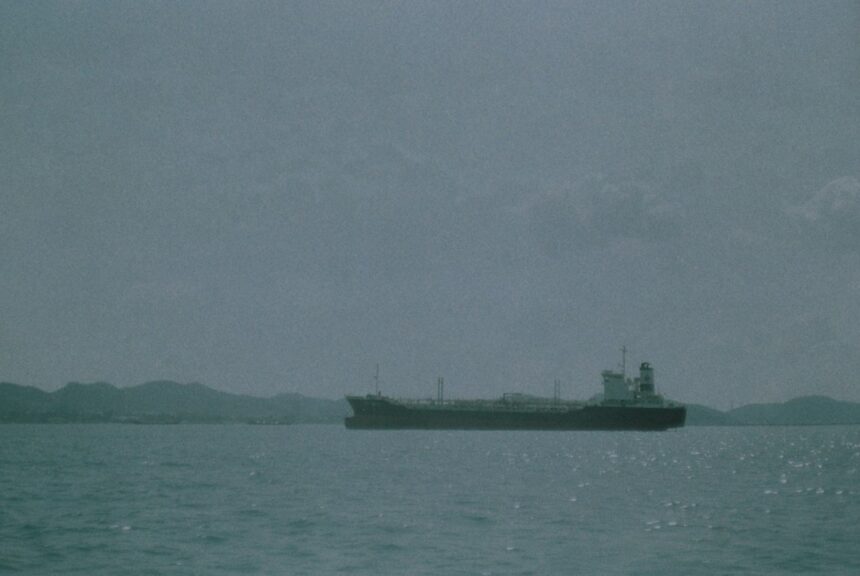
The U.S. Treasury Department has implemented new sanctions that aim to disrupt the financial networks supporting Iran’s oil exports and tanker operations. Announced on Monday, this action is part of Operation Economic Outcast and targets 22 entities and eight individuals believed to be facilitating financial transactions related to the National Iranian Tanker Company (NITC) and military-linked shipping arrangements.
The Targets
Among the designated entities is Dubai-based OGA Global General Trading LLC, identified as a facilitator of millions of dollars in payments for the NITC, Iran’s state-owned tanker operator. The sanctions also point to a tanker chartering arrangement involving the vessel SERENE I (IMO 9197832), with payment facilitation tied to Sepehr Energy Jahan Nama Pars Company, an entity linked to the Iranian military, and sanctioned shipping company Dragon Road Ltd.
In addition, Dubai-based firms such as Gespl International General Trading LLC and Integral Petro Energy Trading LLC were cited for their roles in facilitating oil sales and liquefied petroleum gas transactions for the National Iranian Oil Company and Kharg Petrochemical Company, respectively. The sanctions extend to the Iran Center for Exchange of Currency and Gold, which the Treasury described as integral for connecting Iranian exporters with importers seeking funds for global transactions, handling tens of billions of dollars annually.


Impact on Maritime Operations
The implications of these sanctions could be widespread, especially as they target the underlying financial infrastructure that enables Iran to sustain its oil revenue streams. Previously implemented sanctions have primarily focused on direct actions against tankers and shipping companies; this latest move intensifies the scope by targeting the financial mechanisms that support these operations.
According to U.S. Treasury officials, no Iranian oil has been loaded onto vessels since the operation’s inception on August 24, indicating a robust enforcement of the existing sanctions. Under the U.S. regulations, assets belonging to sanctioned entities can be blocked within U.S. jurisdiction, with foreign financial institutions facing potential sanctions exposure for facilitating transactions connected to these designated parties.
Behind the Headline
The focus on financial entities rather than shipping companies reflects a strategic shift in U.S. sanctions policy, emphasizing disruption of the entire infrastructure supporting Iran’s energy sector. For shipping operators, this could mean increased scrutiny in financing and compliance activities, especially those with indirect links to Iranian entities. The wider maritime market should remain alert to potential compliance challenges and disruptions, as the effectiveness of these sanctions could alter operational dynamics, influence shipping rates, and reshape strategies in complying with international maritime regulations. Watch for shifts in regional trade routes and possible increases in compliance costs as operators navigate these complex sanctions.