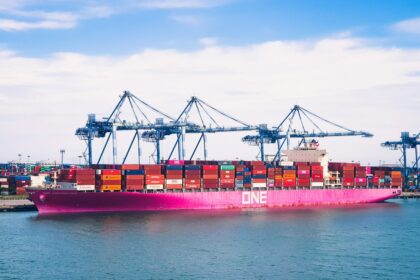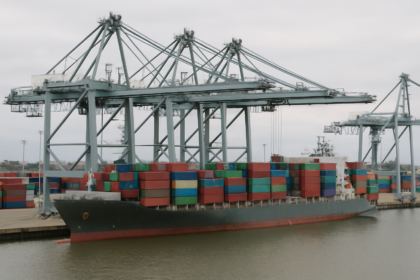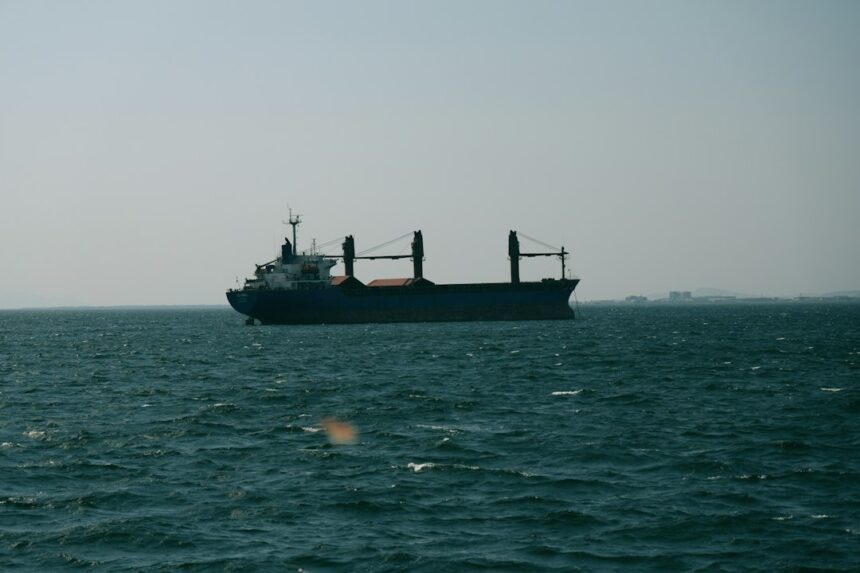
The World Shipping Council (WSC) is advocating for a binding global agreement on greenhouse gas emissions as negotiations resume at the International Maritime Organization (IMO). The Council warns that persistent uncertainty surrounding emissions regulations could negatively affect investments in cleaner fuel technologies and infrastructure.
The Call for Action
With current investment in the shipping sector surpassing USD $200 billion, largely focused on dual-fuel vessels, WSC highlights the need for a decisive regulatory framework. Essential elements for a successful agreement include a credible pathway to net zero emissions, strong and consistent enforcement mechanisms, and incentives to mitigate the price differential between conventional and cleaner fuels.
Nearly 1,350 dual-fuel ships have been ordered, with over 500 already active in operations. This demonstrates the industry’s commitment to transitioning towards cleaner energy sources. Joe Kramek, President & CEO of WSC, emphasizes, “We need global rules that give fuel producers and shipowners the confidence to invest in the next stage of the transition.”

Industry Implications
The urgency of establishing effective regulations is further underscored by the emergence of national carbon charging schemes, which could complicate international trade if a cohesive global framework remains unachieved. The risk of multiple national regulations could heighten operational costs and regulatory burdens for operators.
Kramek reiterated the importance of a unified approach: “An agreement that delivers clear targets, consistent enforcement, and meaningful incentives for cleaner fuels is crucial for enabling real progress towards greenhouse gas reduction.” This sentiment is echoed by nine major shipping associations that collectively represent the vast majority of the global commercial shipping fleet.
Why It Matters
The push for a global emissions agreement reflects the shipping industry’s proactive stance in addressing climate change, anticipating that cohesive regulations will strengthen investment in greener technologies. A predictable and enforceable framework is essential for operators and charterers alike, as it maintains competitive parity while encouraging innovation in fuel alternatives. As regulatory conversations progress, a concerted effort from IMO member states will be crucial to prevent fragmentation of regulations and to foster an environment conducive to sustainable shipping practices.