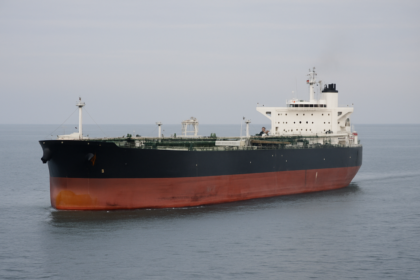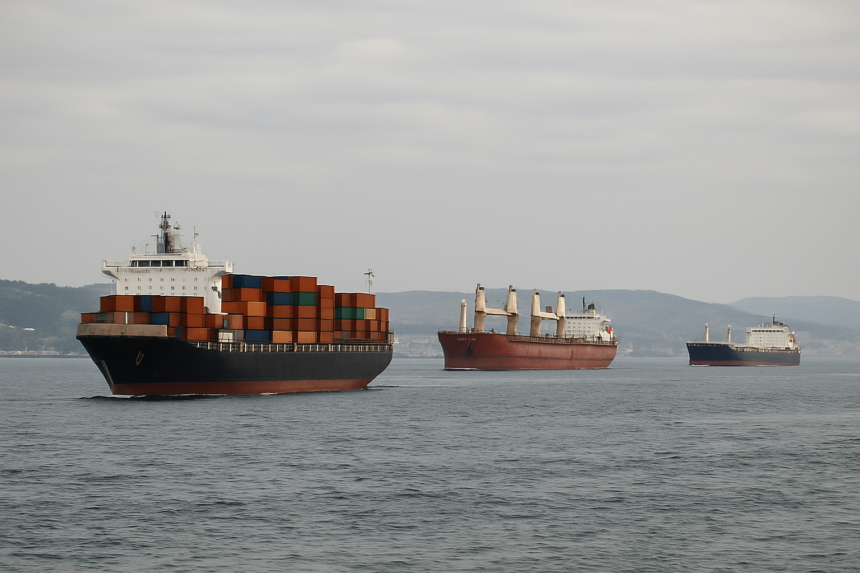
The global shipping industry has cautiously welcomed the recent U.S.-Iran agreement aimed at de-escalating tensions in the Strait of Hormuz, although significant operational and security concerns remain. Announced on Sunday, the agreement calls for an end to hostilities and the lifting of the U.S. blockade of Iranian ports.
Current Security Situation
Despite the optimistic tones of the announcement, maritime security advisories issued on Monday indicate that crucial restrictions are still in effect. The Joint Maritime Information Center (JMIC) has warned that the U.S. blockade remains intact as a ceasefire agreement is set for execution on 19 June 2026. Mariners have been explicitly instructed to avoid crossing until further directions are issued.
According to experts, the maritime threat level in the Strait of Hormuz continues to be classified as ‘SEVERE’. This suggests that enforcement actions, including potential vessel boardings and the use of disabling force against non-compliant ships, remain active. Such measures maintain a complex environment for commercial traffic trying to resume operations.

Operational Challenges Ahead
Industry stakeholders are expressing caution despite the potential for restored maritime trade. Jakob Larsen, Chief Safety & Security Officer at BIMCO, highlights that both the timeframes and safe routes remain unclear. He notes, “Due to lack of details and a history of overly optimistic reassurances, we believe the security situation for the shipping industry remains volatile, and we still consider it very risky for ships to commence transits at this point.”
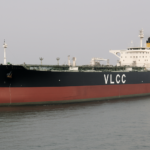
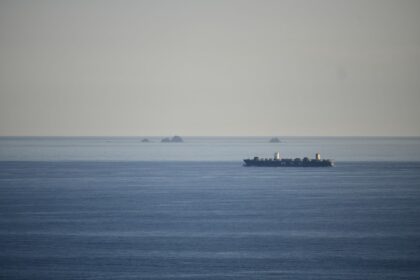
The current state of affairs complicates matters further, as BIMCO estimates that around 600 vessels, including approximately 250 tankers, remain stranded inside the Persian Gulf. Experts warn that it could take several weeks for these ships to safely exit the area.
Future Considerations
To navigate these complexities, BIMCO advocates for the establishment of an internationally coordinated framework that can effectively manage the resumption of traffic through the Strait of Hormuz. Recommendations include procedures for safe routing, traffic separation measures, naval protection, reporting requirements, and emergency response protocols. Citing the persistent threat of naval mines, Larsen asserts that credible assurances from both the U.S. and Iran are necessary to ensure comprehensive safety before full navigational resumption can occur.
The Operational Read
The path to reclaiming normal shipping operations in the Strait of Hormuz is both precarious and lengthy. Operators must weigh the risks pertaining to both security and the current congested state of maritime traffic, which includes hundreds of vessels waiting to exit. Navigating this situation requires careful planning and the establishment of clear, actionable protocols to ensure the safety of crews and cargo. The industry will be watching for timely updates regarding the ceasefire and the clearance of navigational hazards before committing to a full resumption of transits through this critical chokepoint.