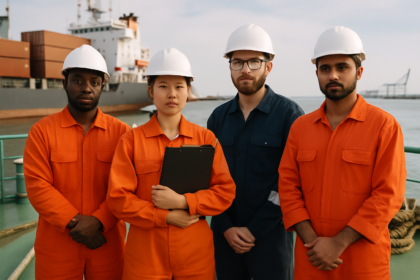
More than 90 seafarers are currently being held captive by pirates and armed robbers, according to a recent report from the International Maritime Organization (IMO). This alarming resurgence of piracy, particularly in the Gulf of Aden and surrounding waters, signals a troubling trend for maritime safety and security.
The Current Situation
The IMO secretary-general, Arsenio Dominguez, issued an urgent call for the release of the captured crew members, highlighting the dire situation faced by these individuals. This warning follows the recent hijacking of the vessel Seamull, which raises concerns about the frequency and boldness of piracy operations in these critical shipping lanes.
Implications for Maritime Security
The Gulf of Aden, known for its strategic importance in global shipping routes, is witnessing a systematic escalation in piracy activities. This increase not only threatens the safety of seafarers but also poses significant risks to the operational integrity of shipping lines. Operators may face increased insurance premiums, heightened security protocols, and potential rerouting to avoid high-risk areas.


Operator Preparedness
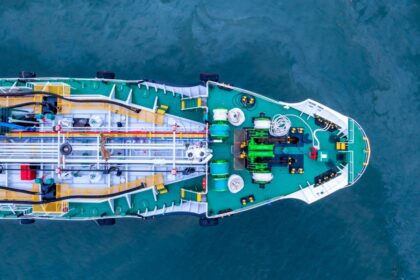
In light of these developments, shipping operators are urged to enhance vigilance and security measures for vessels transiting the Gulf of Aden. The potential for increased piracy activity calls for comprehensive risk assessments and possible collaboration with maritime security agencies to safeguard crew welfare and vessel integrity.
Why It Matters
The resurgence of piracy in the Gulf of Aden is not merely a localized issue; it raises fundamental questions about maritime security and the welfare of seafarers worldwide. Operators must consider the operational implications, including potential changes in routing and increased security measures. The IMO’s call to action underlines the need for collaborative international efforts to combat piracy and ensure the safety of maritime personnel. As incidents increase, the maritime industry must remain vigilant and responsive, adapting strategies to protect its workforce in increasingly dangerous operational environments.