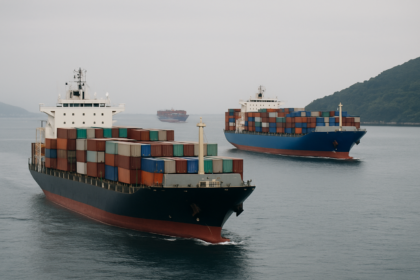
On Monday, the U.S. Treasury Department launched a robust economic campaign against Iran titled ‘Operation Economic Outcast’. This new initiative notably extends secondary sanctions targeting the maritime sector and Iranian oil trade, as Washington aims to sever Tehran’s economic connections globally.
The Initiative’s Scope
Treasury Secretary Scott Bessent characterized the initiative as the commencement of a sustained effort to cut off financial avenues supporting the Iranian regime. This announcement comes in the wake of President Donald Trump’s directives asserting that nations engaging in trade with Iran risk economic isolation.
The new sanctions encompass five sectoral determinations that notably affect shipping, in addition to digital assets, technology, aviation, and gold. This expanded authority allows the U.S. government to impose sanctions on foreign entities providing services to these areas, significantly raising compliance risks for international operators.

Maritime Targets and Allegations
Among the key targets are the National Iranian Shipping Line, accused of transporting weapons components, and the National Iranian Tanker Company, implicated in military oil transport. The U.S. Treasury specifically placed sanctions on individuals such as Syrian national Mohammad Ahmed Suhil Fattouh, known to broker vessels for Iranian interests, alongside UAE-based figures like Ivan Obukhov, who allegedly facilitated military oil shipments and managed substantial cryptocurrency transactions enhancing Iran’s oil infrastructure.
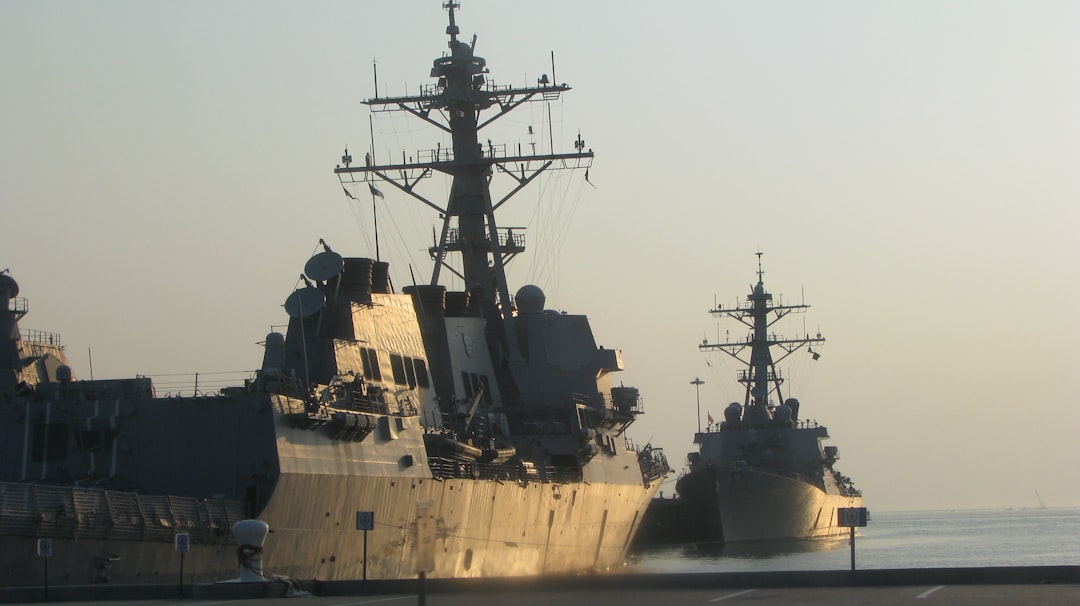
Furthermore, Singapore-based Azure Shipping Pte. Ltd. was sanctioned for its alleged collaborative arrangements with the National Iranian Tanker Company. The measures extended into bunkering operations, with entities like Shipoil Limited and its affiliates accused of coordinating fuel supplies for vessels involved in Iranian crude and petroleum trade.
Global Implications
The sanctions represent a significant escalation in controlling Iranian oil movement, impacting operations not just in Iran but also affecting transactions across the United Arab Emirates, Hong Kong, and parts of Europe. The U.S. Treasury’s Office of Foreign Assets Control plans to work with international governments to ensure compliance and has issued timelines for nations to curtail Iran-related commercial activities.
Firms engaging in sanctions evasion or money laundering for Iran face the risk of losing access to the U.S. financial system, amplifying the pressure on businesses that inadvertently facilitate Iranian trade.
The Operational Read
This new series of sanctions creates heightened operational complexities for maritime operators involved in the transportation of oil linked to Iran. Companies must navigate a tense environment where the risk of secondary sanctions looms large, affecting not only compliance and operational practices but also the global supply chain dynamics. Monitoring developments will be crucial as enforcement intensifies; operators may need to reassess their engagement strategies and partnerships to mitigate risks associated with these expanded sanctions.