Europe is stepping up efforts against tankers illicitly using Cameroon’s flag registry to transport Russian oil, with authorities now boarding vessels suspected of fraud as part of Operation IRINI. This expanded mandate is intended to enhance maritime security and enforce compliance with international sanctions.
The Expanded Mandate
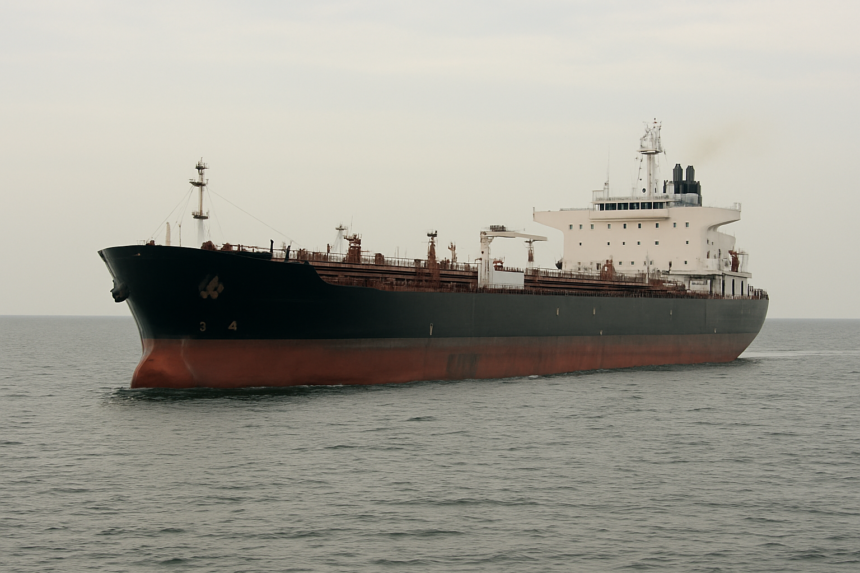
As of June 8, the European Union has broadened the scope of its naval mission in the Mediterranean, allowing it to stop, board, detain, and inspect ships believed to be operating under false pretenses. This movement follows the identification of several older tankers, often lacking Western insurance or safety certification, that are part of Russia’s so-called “shadow fleet.” Moscow has condemned the actions, claiming they threaten operational freedom.
Cameroon’s Rapid Response
Following the allegations and findings, Cameroon’s government has taken significant actions, including de-listing 39 vessels from its ship registry that were found to be operating fraudulently. Reports indicate that the government is cooperating with international authorities to address these issues and uphold the integrity of its maritime registration system. This development marks an escalation in the response to the misuse of its flag, which has reportedly become a crucial element in the evasion of sanctions against Russia.


Implications for the Maritime Industry
The EU’s planned sanctions, expected to be finalized in mid-July, aim to list an additional 30 vessels from the shadow fleet, with extended criteria including ships involved in refueling sanctioned vessels or offloading cargo. This proactive stance not only aims to curb funding for Russia but also addresses heightened safety and environmental risks posed by non-compliant vessels, echoing past incidents of tankers breaking up at sea.
The Operational Read
The escalation in European maritime enforcement highlights pressing challenges for shipping operators involved in transporting oil under potentially compromised flags. The use of non-compliant vessels presents inherent risks, from potential legal ramifications to environmental hazards. Operators must remain vigilant and assess the credibility of flags used in their shipping assignments. For charterers, understanding emerging compliance requirements will be critical as the situation evolves, necessitating adjustments to charter party terms and risk management strategies to navigate the tightening regulatory landscape.