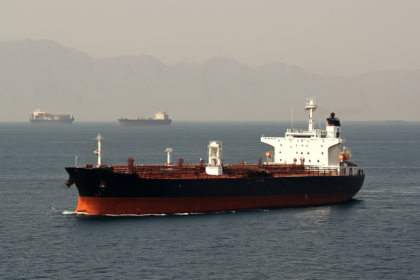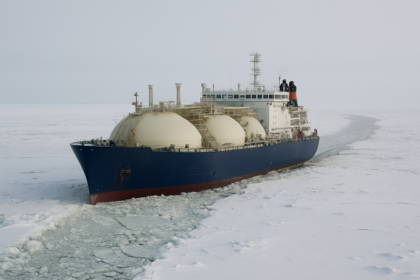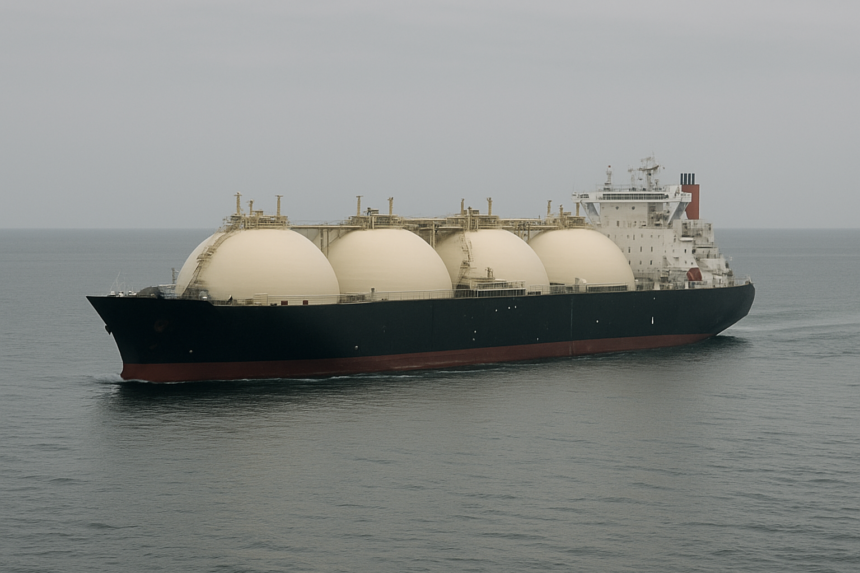
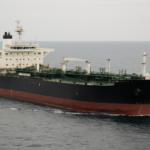
On May 31, the Umm Al Ashtan, an LNG tanker linked to Adnoc, successfully crossed the Strait of Hormuz, signaling its approach to an LNG terminal in India. The vessel had loaded its cargo at Das Island on May 15 and temporarily ceased its signal transmissions while idling near the strait’s entrance on May 1. Following a period of inactivity, the tanker resumed its transmissions, indicating its change in draught and readiness to proceed.
The Recent Flurry of Activity
The latest voyage of the Umm Al Ashtan is part of a broader trend of LNG carriers continuing to navigate the Strait of Hormuz amid escalating regional tensions. In recent days, three other carriers have also completed their transit, heading towards Pakistan and China. These activities highlight the importance of this vital maritime corridor where approximately 20% of Gulf LNG exports are transported.
Geopolitical Context
With heightened geopolitical risks in the region, the resilience of operators like Adnoc and QatarEnergy is being tested. Their operations are especially vulnerable to disruptions that could impede safe passage through the strait. The confirmed voyages of multiple tankers indicate a strong commitment to maintaining supply chains despite the risks, which is critical for both regional economies and global energy markets.

The Operational Read
The successful transit of the Umm Al Ashtan reinforces the operational realities facing LNG carriers in high-risk areas. Operators must remain vigilant, balancing the need for secure routes against the dynamic threat landscape in the Strait of Hormuz. The reliance on robust contingency plans and real-time monitoring capabilities is paramount for ensuring safe passage. As geopolitical tensions simmer, industry stakeholders should observe vessel traffic patterns and assess emerging risks that may necessitate rerouting or increased security measures.