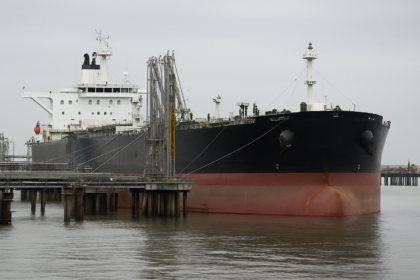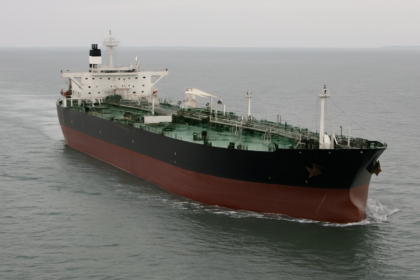
On a significant geopolitical front, the United States has relaxed sanctions on Iran, granting a 60-day waiver that enables the country to export oil. This development has created immediate repercussions in the global oil market, with ICE Brent crude prices declining 3.3% in response.

The License and Its Implications
This sanctions waiver was part of the US-Iran Memorandum of Understanding (MoU), which had anticipated such adjustments to foster diplomatic relations. Iran had already begun increasing its oil exports following the previous lifting of certain US restrictions. The most recent easing of sanctions broadens the scope of markets available to Iran, including potential access to US markets.
The pressure on oil prices is compounded by ongoing positive signals from negotiations taking place in Switzerland between US and Iranian officials. The lifting of restrictions means that the volume of oil available through the Strait of Hormuz could significantly rise, though the pace of recovery in the oil production sector remains uncertain.


Market Reactions and Future Projections
Market analysts anticipate that while immediate price declines are evident, the long-term normalization of oil flows through the Strait of Hormuz may still take several months. Operators in the industry are advised to prepare for a potentially volatile market landscape as both production levels and diplomatic negotiations evolve.
Key concerns remain about the stability of the ceasefire agreement, with risks of renewed tensions posing significant challenges for shipping operators within the region. A renewed escalation could jeopardize safe shipping lanes that account for a substantial portion of global oil trade.
The Operational Read
For maritime operators and industry stakeholders, the recent waiver represents a critical juncture in oil supply chain management. Immediate considerations include assessing potential increases in Iranian oil throughput and its subsequent influence on market dynamics. Operators should remain vigilant regarding fluctuations in pricing linked to geopolitical developments and prepare contingency plans that account for possible disruptions in oil transit through the Strait of Hormuz. Ongoing dialogue between the US and Iran will be instrumental in determining how swiftly operations can stabilize, thus impacting overall market confidence and shipping logistics in the oil sector.