Update 07 Oct 2026, 12:32 UTC:
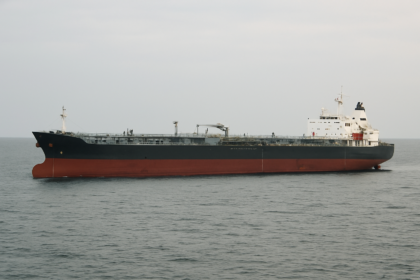
Iran has escalated its campaign against tankers in the Strait of Hormuz, reporting nine attacks this month alone, mirroring half the total incidents recorded in September across both the Strait of Hormuz and the Persian Gulf. UK Maritime Trade Operations highlighted that this surge follows a notable uptick in oil flows through the waterway, which have recently approached prewar levels.
Prior to these attacks, shipping officials noted that vessels in Hormuz had experienced varying intensities of assaults throughout the ongoing Iran conflict. While earlier attacks prompted temporary drops in oil shipments, increased volumes in subsequent days often balanced out these reductions. The ongoing increase in maritime security incidents has raised concerns among shipping executives regarding the potential long-term effects on oil exports through this crucial passage.

The Current Situation
Despite the recent uptick in attacks, it remains uncertain whether this escalation will substantially hinder oil shipments through Hormuz. Major commodity traders and analysts are closely monitoring the situation, particularly as several nations announced intentions to release millions of barrels from emergency stockpiles in a bid to mitigate market pressures. U.S. domestic fuel prices are also under scrutiny, with President Trump exploring options that could influence costs ahead of the upcoming midterm elections.
The operational security practices of tankers navigating Hormuz complicate the tracking of oil flows, as many vessels switch off their digital signals, forcing analysts to depend on satellite imagery and shipping data. Reports indicate that oil flow through the Strait has been steadily increasing since the beginning of summer, with Wall Street banks projecting that shipments are nearing 80% of prewar levels. This development has played a significant role in bringing Brent crude prices back down below $100 per barrel.
Market Implications
The fluctuating energy flows through the Strait of Hormuz exert significant influence over global oil and gas prices, especially as winter approaches in the Northern Hemisphere. The critical nature of this maritime route necessitates heightened vigilance from shipping operators and stakeholders. While recent attacks have not yet led to a drastic reduction in shipments, companies must remain prepared for potential disruptions that could arise from sustained hostilities in the region.
The Operational Read
This recent escalation in tanker attacks highlights the precarious balance that operators must maintain when navigating the Strait of Hormuz. The combination of rising oil flows and the threat of violence poses operational challenges that could affect laytime and demurrage for chartered vessels. Furthermore, the shift to turning off digital signals complicates real-time tracking of shipments, which is critical for market analysis and strategic decision-making. In this volatile environment, operators should monitor geopolitical developments closely while assessing the risk factors associated with maintaining supply chain integrity through one of the world’s most crucial maritime chokepoints.