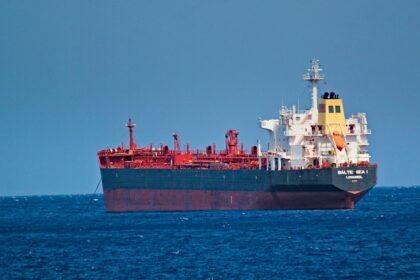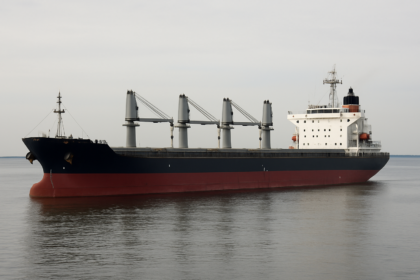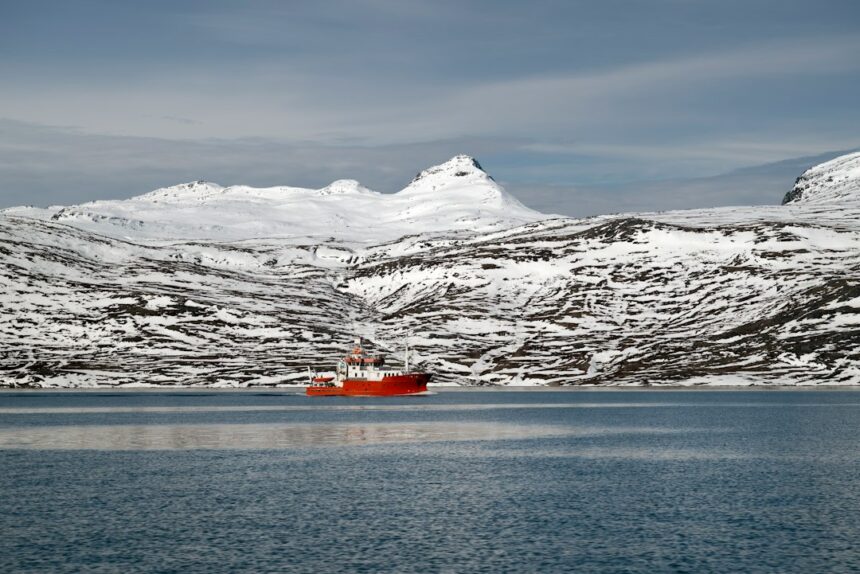
The Dakar, a 22-year-old product tanker sanctioned by the European Union, is currently navigating the Northern Sea Route (NSR) in an unusual late-season voyage. This move highlights a growing trend of utilizing older, lower-specification vessels for petroleum transportation in Arctic conditions. Currently carrying methyl tert-butyl ether (MTBE), a gasoline additive, the Dakar is reportedly heading west along Russia’s Arctic coast, according to vessel tracking data.
Originally built in 2004, the Dakar has a deadweight tonnage of 21,300 and is not an Arctic-specialist vessel. However, it possesses an ice-class designation, according to vessel data from S&P Global, which enables it to navigate certain icy conditions, albeit not at the level of vessels designed for regular Arctic operations.
Context of the Voyage
The Dakar’s cargo was originally loaded onto another ship in China in August and transferred in September off Yeosu, South Korea. Despite its age and restrictions, the voyage is made possible by the current seasonal window, where ice conditions are at their least challenging. Typically, September sees the annual minimum of seasonal sea ice, making it a prime time for Arctic navigation.

However, as October approaches, the risk of encountering deteriorating ice conditions increases significantly. Russian regulations allow vessels with lower ice classifications to operate under specific conditions from July 1 to November 15, but operators must carefully navigate these demands.
Market Dynamics
This late-season operation by the Dakar coincides with a sharp surge in Russian oil exports to Asia via the Arctic, with reports indicating that seven tankers have moved approximately 6 million barrels of crude through the NSR by August of this year. This increase is evident in the growing presence of what is termed Russia’s ‘shadow fleet’—a cohort of vessels identified for their role in circumventing restrictions and enhancing the logistics pipeline for Russian petroleum products.
Advocacy group Bellona reported tracking 50 shadow-fleet oil tankers navigating the NSR during the 2026 summer-autumn season by mid-September, compared to 38 for the entirety of 2025. Among these, 26 vessels had an ice class of Ice3 or lower, while 33 were at least 15 years old, affirming the trend of older vessels like the Dakar engaging in Arctic transport.
Behind the Headline
The operational implications of Dakar’s journey highlight a significant shift in Arctic shipping practices, as the market is increasingly drawn to using older vessels with limited ice-class capabilities. Ship operators now must weigh the potential for lucrative cargo against the escalating risks posed by shifting ice conditions. As seasonal limitations close in, the intersection of operational decisions and regulatory frameworks will shape the logistics landscape for petroleum movement in the Arctic region. The continuation of these trends will be critical to monitor as market dynamics evolve.