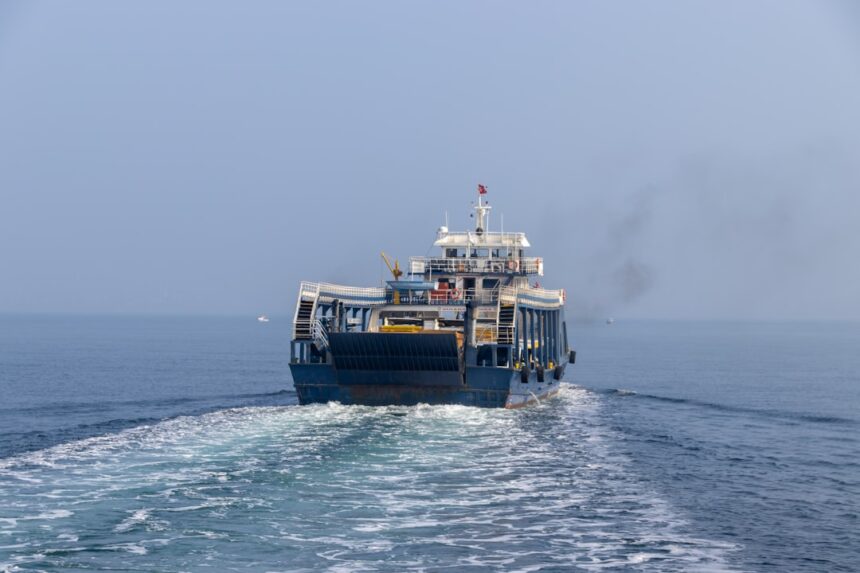
On August 30, 2026, the Filojet ferry capsized while sailing from Kyrenia in northern Cyprus to Tasucu in southern Turkey, resulting in at least six confirmed deaths. The ferry was carrying about 267 individuals, comprising approximately 259 passengers and eight crew members, according to reports from the Anadolu news agency.
The Incident
The vessel began taking on water approximately 4 miles (6.5 kilometers) offshore from Kyrenia. Efforts to rescue those onboard have resulted in 172 individuals being successfully brought ashore by Turkish Cypriot coastguard boats. A rescue helicopter was also deployed to assist in the operation.
Officials from the self-proclaimed Turkish Republic of Northern Cyprus, including Prime Minister Unal Ustel and Erhan Arikli, the Minister for Transport, are actively overseeing the recovery and search operations. In a statement to Turkish broadcaster NTV, Minister Arikli remarked, “We don’t know what caused the vessel to take on water.” This incident raises significant questions about safety standards and contingency measures for passenger ferries operating in the region.


Market Impact
The tragedy may instigate heightened scrutiny over ferry operations in the Eastern Mediterranean, particularly concerning safety protocols and emergency response readiness. Following similar incidents in recent years, stakeholders are likely to advocate for improved regulations and oversight to prevent such occurrences in the future, potentially affecting the operational costs and insurance premiums associated with passenger ferries.
Operator Response
The Filojet ferry operator will be under considerable pressure to coordinate recovery efforts and support the families of the deceased. Inquiries will likely result in a detailed investigation into the circumstances leading up to the capsizing, revisiting maintenance records, crew training, and adherence to safety regulations, which may have far-reaching implications for the ferry service industry across the region.
The Operational Read
This incident underscores the critical importance of rigorous safety practices in passenger ferry operations. The challenges faced by coastal operators in maintaining vessel integrity, the readiness of emergency response systems, and compliance with international maritime safety standards are heightened by the increasing passenger volumes in popular routes like those between Cyprus and Turkey. In the aftermath, operators may need to reassess their risk management strategies and enhance crew training programs to ensure an effective response to emergencies. Industry stakeholders will be monitoring regulatory developments and public sentiment as the investigation unfolds.