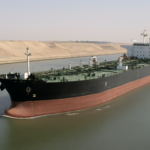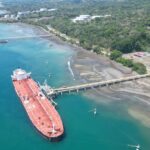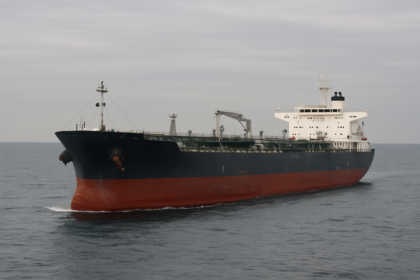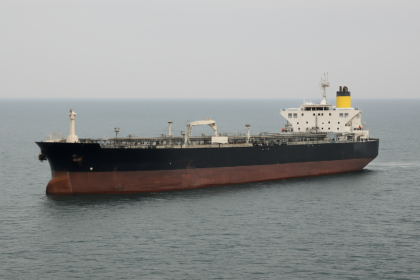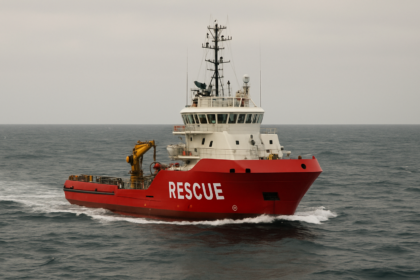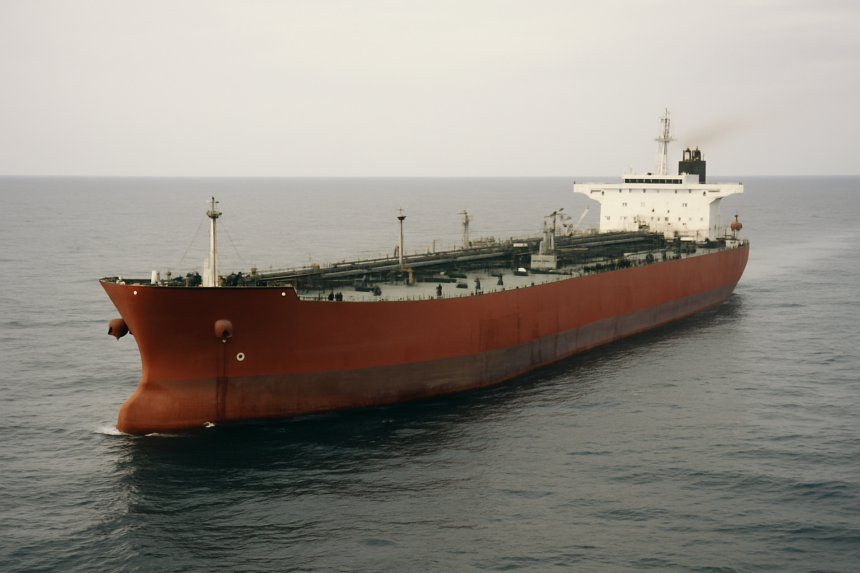
At least two crew members are reported missing and one injured after U.S. forces disabled the Palau-flagged tanker M/T Settebello in the Gulf of Oman late Tuesday night. This incident appears to be the first documented casualties linked to Washington’s maritime blockade against Iranian oil exports.
The Incident
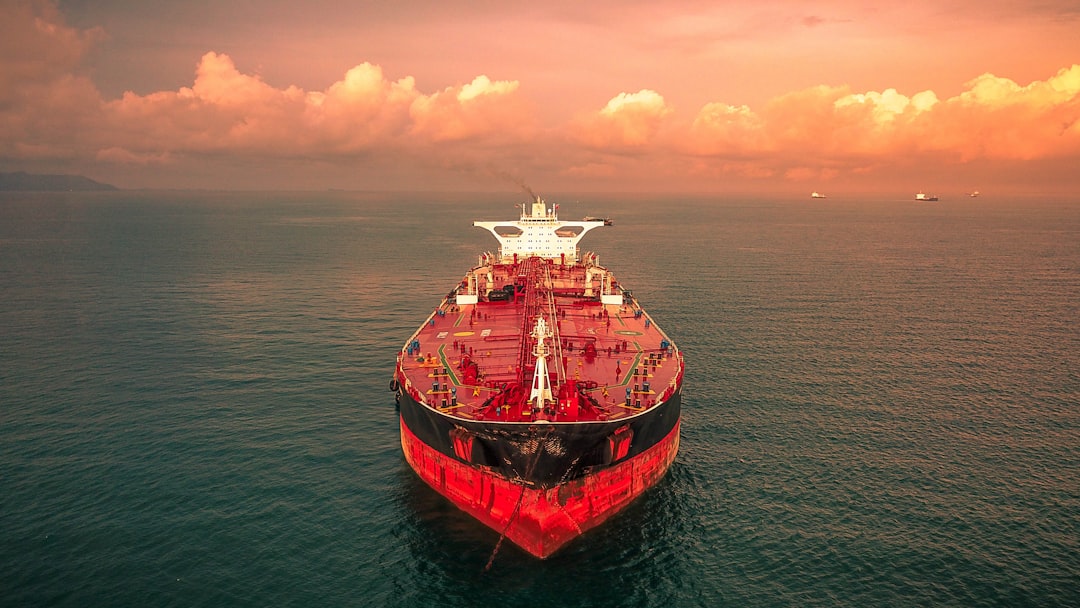
According to U.S. Central Command (CENTCOM), the tanker was disabled at approximately 11:14 p.m. on June 9 after allegedly failing to comply with instructions while transiting the Gulf of Oman. U.S. forces employed precision munitions to strike the vessel’s engine room after the crew reportedly ignored repeated directives. CENTCOM characterized the strike as part of its ongoing efforts to enforce the blockade against Iranian exports.
Initially, the United Kingdom Maritime Trade Operations (UKMTO) reported a distress situation involving a tanker approximately 20 nautical miles northeast of Sohar, Oman. Distress calls prompted local authorities to initiate search and evacuation operations, confirming an engine room fire aboard the Settebello. Reports indicate that one crew member is injured, with two others declared missing.

Global Responses
India’s Ministry of External Affairs confirmed that 21 Indian crew members were successfully rescued while three remain lost. The Indian government condemned the attack on the Settebello, emphasizing the urgent need for de-escalation of tensions in the region and calling for restored free navigation through international waterways.
The incident follows another military action on June 8, when U.S. forces disabled the M/T Marivex for attempting to reach an Iranian port, violating the ongoing blockade. Since commencing operations on April 13, CENTCOM has reported disabling eight non-compliant vessels and redirecting 134 ships adhering to military instructions. The recent casualties have raised the stakes regarding the safety of civilian seafarers in conflict-affected waters.
The Operational Read
The reported casualties from the incident involving the M/T Settebello signify a pivotal shift in the operational risks facing shipping crews in the Gulf of Oman. With ongoing military actions designed to enforce the U.S. blockade, uncertainty around navigation safety has deepened, prompting heightened scrutiny from maritime organizations. Operators may need to re-evaluate their routes and compliance measures to mitigate risks posed by military interventions as operators and charterers alike monitor the evolving maritime security landscape in this strategically critical region.