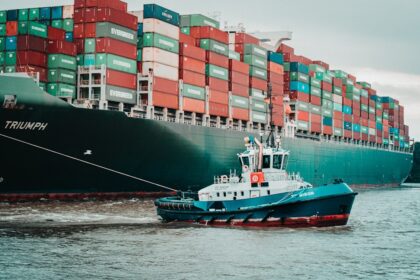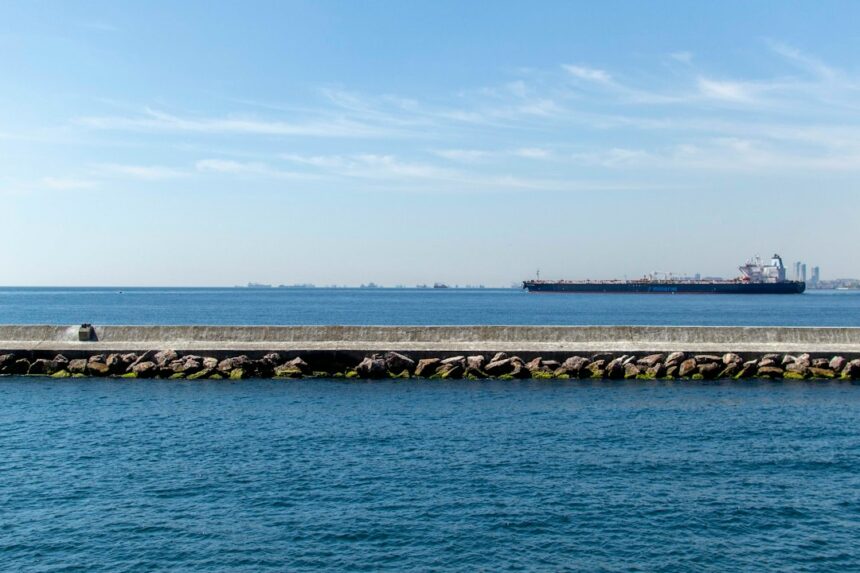
In a noteworthy development, Middle East oil exports, excluding Iran, have recently surpassed the pre-war average of 18 million barrels per day. This surge aligns with heightened security concerns in the Strait of Hormuz, as data from maritime tracking firm Kpler reveals.
The Current Export Landscape
Kpler’s analysis indicates that crude oil exports reached approximately 16.5 million barrels in September, marking a significant recovery. Given that around a fifth of the world’s petroleum supplies previously traversed the strait, the increased export volume underscores a pivotal shift in routes and strategies for regional operators. Notably, forty percent of these shipments now circumvent Hormuz entirely, with many tankers changing vessels offshore to mitigate risks associated with Iranian claims of control over the strait.
The changing dynamics have resulted in a surge of oil flowing through pipelines in Saudi Arabia and the United Arab Emirates. Kpler reports that these alternative routes are becoming critical in ensuring uninterrupted supply chains despite ongoing geopolitical tensions in the region.


Pipelines Enabling Bypass
Saudi Arabia has notably benefitted from the reactivation of its East-West pipeline, which directly connects its eastern oil fields with the Yanbu terminal on the Red Sea. This pipeline, having resumed operations on September 22 after sustaining damage from strikes, has played a crucial role in allowing Saudi oil to reach markets without transiting the Strait of Hormuz.
Simultaneously, the United Arab Emirates is utilizing its pipeline system that links the oil fields of Abu Dhabi directly to Fujairah, a strategically positioned terminal on the Gulf of Oman. This capability further solidifies the UAE’s resilience against disruptions in Hormuz.
Ongoing Risks and Future Outlook
Despite the resurgence in exports, experts are cautious, noting that the operational landscape remains precarious. Iran’s inability to maximize its oil exports due to a U.S. counterblockade means that the overall market dynamics are far from normalized. The potential for conflict continues to loom, particularly as vessels operating in the area risk direct engagement from Iranian forces should they attempt passage without appropriate authorization.
As these alternative routes become increasingly optimized, their capacity will likely be a focal point for future developments. Operators will need to monitor the situation closely, as disruptions in oil flow can affect global markets and pricing structures. The evolving landscape of Middle Eastern oil exports may redefine operational strategies within the industry as stakeholders adapt to these changes.
Behind the Headline
The significant increase in oil exports from the Middle East, excluding Iran, highlights a shift in operational strategies spurred by geopolitical tensions. For shipping operators, the ongoing ability to bypass the Strait of Hormuz through pipelines enhances operational flexibility but comes with heightened risk. The dual fuel capacities of many tankers will play an essential role in navigating these volatile environments, while charterers will need to reassess risk premiums based on evolving security environments. Moving forward, the resilience of these alternative routes will be crucial to ensuring the stability of oil exports, calling for ongoing vigilance from operators in this complex maritime landscape.