Update 24 Nov 2026, 20:35 UTC:
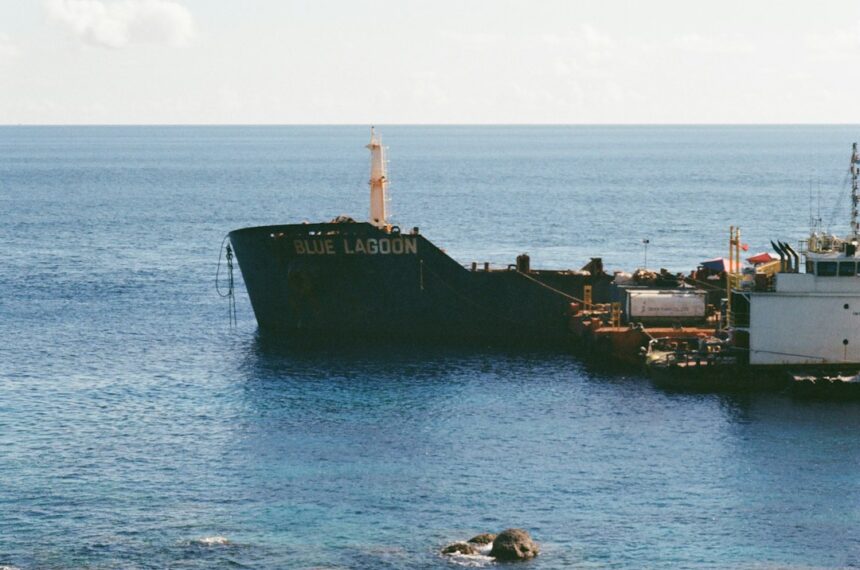
French authorities have successfully refloated the Malta-flagged bulk carrier MIRO G, which ran aground off the coast of southwestern France during severe weather. The Atlantic Maritime Prefecture confirmed the success of the complex salvage operation on Tuesday afternoon. This incident occurred four days prior, when the vessel, measuring 169 meters and with a deadweight of approximately 28,200 metric tons, lost anchor and grounded near Lit-et-Mixe in the Bay of Biscay.
The Incident
The grounding of the MIRO G took place early Friday amidst strong winds and heavy seas, leading to the evacuation of nineteen of its twenty-two crew members by helicopter. Only the captain and two crew members remained onboard to assist with the refloating operation. The vessel was reportedly empty of cargo at the time of the incident, which may have contributed to the recovery process.


Salvage Operation
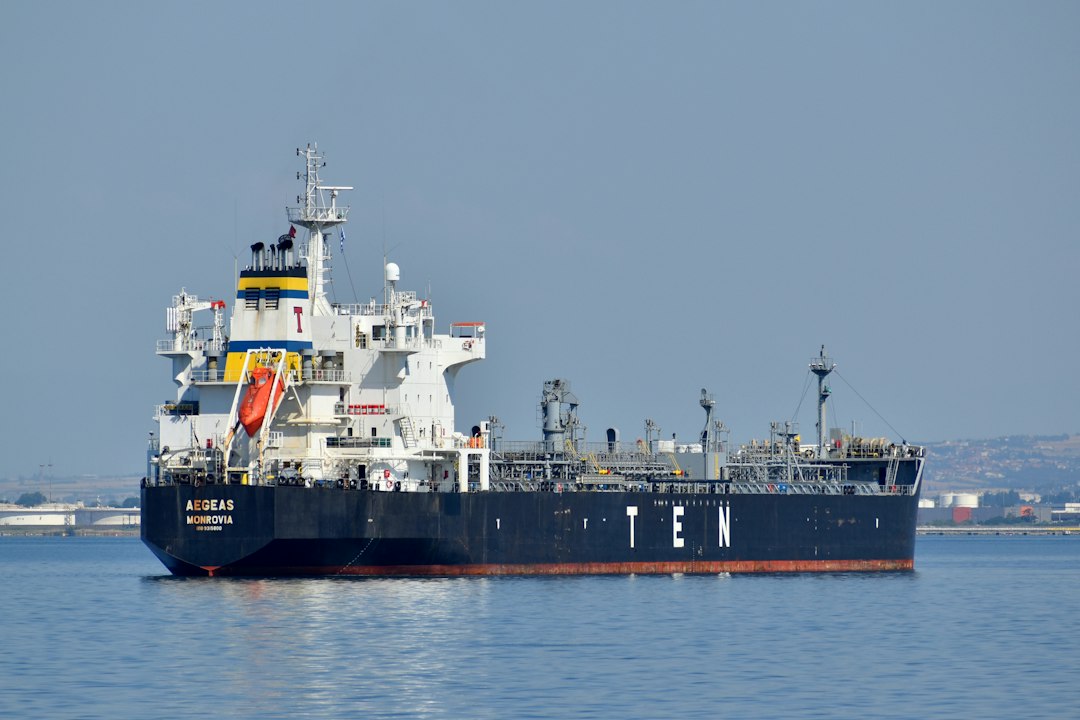
The successful refloating was the result of extensive preparations and coordinated efforts across various agencies, including military personnel, the French Navy, government bodies, and private-sector salvage specialists such as Les Abeilles International. A 1,900-meter high-strength synthetic towline was assembled aboard the French emergency towing vessel Abeille Bretagne, which was crucial for the operational success. The salvage operation also focused on restoring the vessel’s ballast pumping capabilities to reduce its draft for the refloating.
As conditions improved with more favorable tides and better weather, the operation benefitted from the expected increase in water level, which assisted in freeing the grounded vessel. Following the refloat, the French Navy deployed a Falcon 50 maritime surveillance aircraft to monitor the environmental impact, confirming that no marine pollution was detected at the grounding site or along the vessel’s intended transit route.
Assessment and Future Actions
After being refloated, the MIRO G was placed under the care of tugs mobilized by the Port of Bordeaux. The next phase of operations will involve an underwater inspection of the hull to assess any potential damage that may have occurred during the grounding. Greek salvage teams and maritime authorities have praised the collaboration and efficiency demonstrated by all parties involved in the salvage efforts, successfully completing the operation without any reported pollution incidents.
The Operational Read
The refloating of the MIRO G illustrates the importance of rapid response and collaboration in maritime operations, especially during severe weather events. Salvage operations demand meticulous planning and execution, and this incident highlights the necessity for operators to maintain operational readiness under adverse conditions. The positive outcome not only mitigates environmental risks but also reinforces the critical role of robust maritime emergency response frameworks. Moving forward, monitoring the condition of the vessel and preparing for potential regulatory inspections will be essential as the maritime community continues to face operational challenges in unpredictable weather patterns.