Update 24 Sep 2026, 06:38 UTC:
The Findings
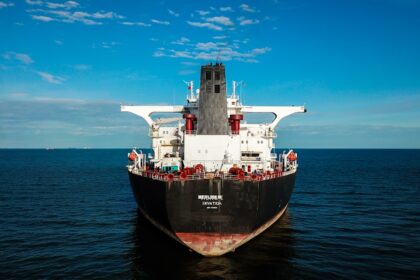
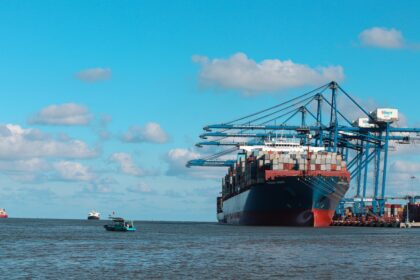
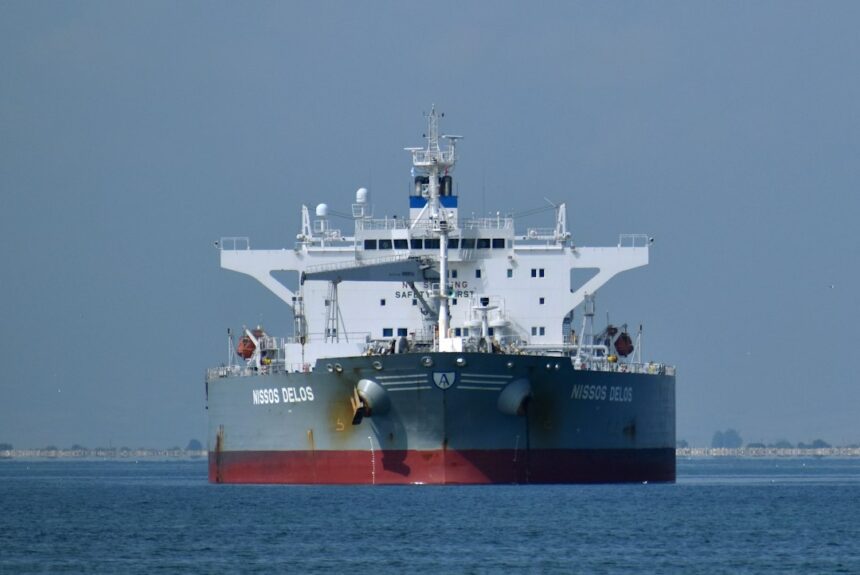
A recent global analysis conducted by satellite-monitoring organization SkyTruth has identified vessels as the primary source of chronic oil pollution in the oceans. The study reveals that approximately 1.58 million square kilometers of ocean surface is affected by oil slicks each year, with over 90% of these incidents occurring within national maritime boundaries, predominantly near coastlines.
Environmental Implications
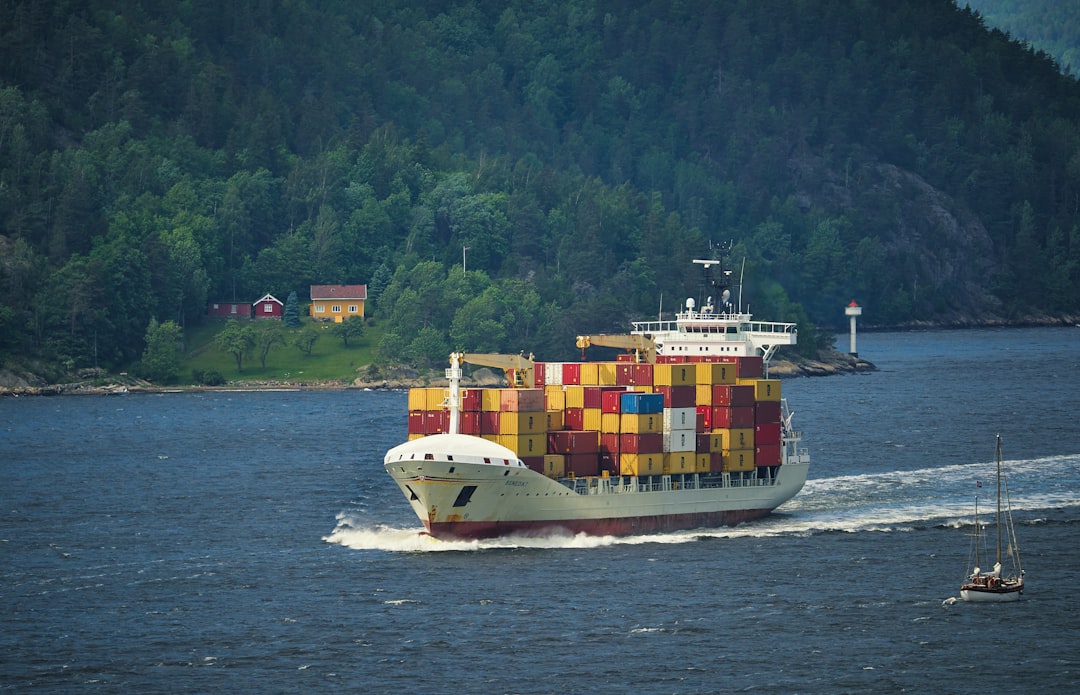
The significant contribution of ships to oil pollution poses serious environmental risks, with potential impacts on marine biodiversity and the health of coastal ecosystems. This pollution not only threatens marine life but also complicates the regulatory landscape for the shipping industry. As the volume of maritime trade increases, so too does the risk of oil spills and leaks that can compromise water quality and marine habitats.

Regulatory Outlook
In light of these findings, the industry may face heightened scrutiny from regulators aimed at mitigating oil pollution from vessels. Operators must prepare for potential policy changes that could impose stricter operational standards, more rigorous enforcement of existing regulations, and increased accountability for environmental impacts.
Behind the Headline
The findings underscore the critical need for the shipping industry to enhance its environmental practices. With the majority of oil pollution occurring within national waters, it is essential for operators to adopt cleaner technologies and more efficient bunkering procedures to reduce oil spills. This may involve investing in dual-fuel ships, better maintenance protocols, and adherence to international regulations such as MARPOL. As awareness of maritime pollution rises among the public and governments alike, stakeholders should anticipate a shift towards stricter operational guidelines aimed at preserving marine ecosystems while maintaining vital trade routes.