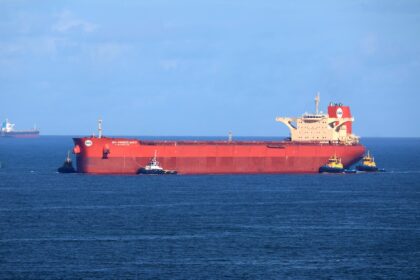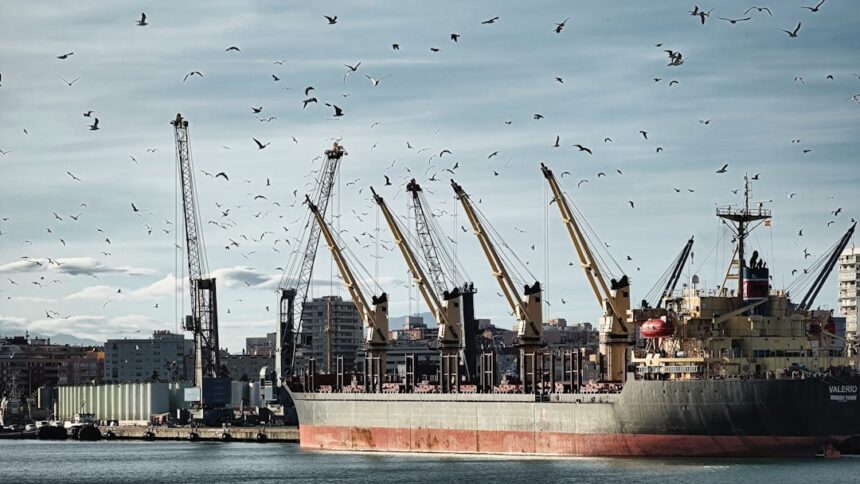
The Black Sea grain trade is currently facing significant disruption due to escalating military actions between Russia and Ukraine. An airstrike targeting infrastructure around Izmail, Ukraine’s largest Danube port, occurred overnight Thursday, inflicting damage that threatens grain shipments through this critical maritime corridor.
The Incident
On Thursday, Russian forces launched a strike on the vicinity of Izmail, causing extensive damage to port facilities and igniting a fire in the area. This incident marks one of the most severe assaults on maritime infrastructure amid the ongoing conflict that has spanned four and a half years. The situation has intensified fears among stakeholders regarding the security of maritime operations in the Black Sea.
The Izmail port functions as a crucial hub for Ukraine’s grain exports, acting as one of the primary conduits for shipments destined for international markets. With significant quantities of agricultural products reliant on safe passage through the Black Sea, any further attacks could have dire consequences for global food supplies.


Market Impact
The ramifications of this attack ripple through the maritime industry, particularly affecting operators engaged in the grain trade. Escalating tensions in the region are likely to lead to heightened war-risk premiums, with operators needing to reassess their risk management strategies. Shipping lines may also consider adjusting routes or scheduling additional safety measures for vessels transiting these waters.
Furthermore, as fighting continues, concerns grow over the potential reduction in grain shipments, which could lead to price volatility in global markets. Some experts warn that the ongoing conflict could exacerbate existing food supply challenges, particularly in regions reliant on Ukrainian grain.
Operator Response
Maritime operators are closely monitoring the situation and are urged to implement enhanced safety protocols. Many shipping companies are weighing options to reroute vessels or suspend operations temporarily in response to the heightened risk in the Black Sea. Discussions within industry circles emphasize the need for real-time intelligence sharing and collaboration among stakeholders to ensure the safety of cargo and personnel.
The Operational Read
The recent strike on Izmail underscores the growing volatility in the Black Sea, highlighting the operational risks faced by shipping companies and cargo stakeholders. For operators, the potential for increased war-risk premiums and erratic shipping schedules could impact not only profitability but also long-term planning. Consequently, a thorough analysis of operational protocols and risk mitigation strategies is critical. Observers will be keenly watching developments for indications of further military actions, which could shape future shipping routes and protocols in this vital maritime region.