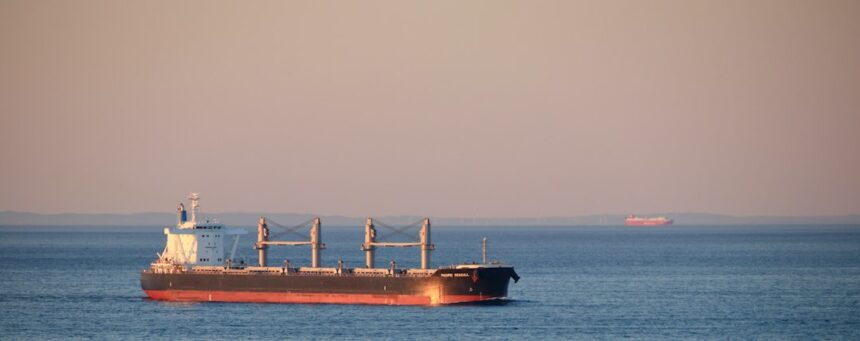
The Swedish Club, a prominent marine insurance provider based in Gothenburg, has issued a strong advisory urging shipowners to avoid non-essential transits of the Strait of Hormuz. This recommendation arises from escalating security incidents and increasing congestion that have created a deteriorating operational environment for commercial shipping in the region.
Recent Attacks and Threat Assessment
The warning follows a series of attacks on merchant vessels, particularly those navigating near Oman’s Musandam Peninsula. Between November 17 and 20, three vessels were reportedly damaged in these waters, as noted by the International Maritime Organization (IMO). The IMO’s latest report, dated November 23, tallies confirmed maritime incidents in the Strait of Hormuz and the surrounding Middle East at 141, along with 25 confirmed fatalities among seafarers.
Independent reports from the Joint Maritime Information Center (JMIC) indicate the actual number of security incidents in the region could be higher, totaling 181 as of November 12. However, differences in reporting methodologies may account for the discrepancies between the two organizations. Despite facilitated transits orchestrated by U.S. forces, overall commercial shipping activity through the Hormuz remains significantly reduced compared to pre-war volumes.


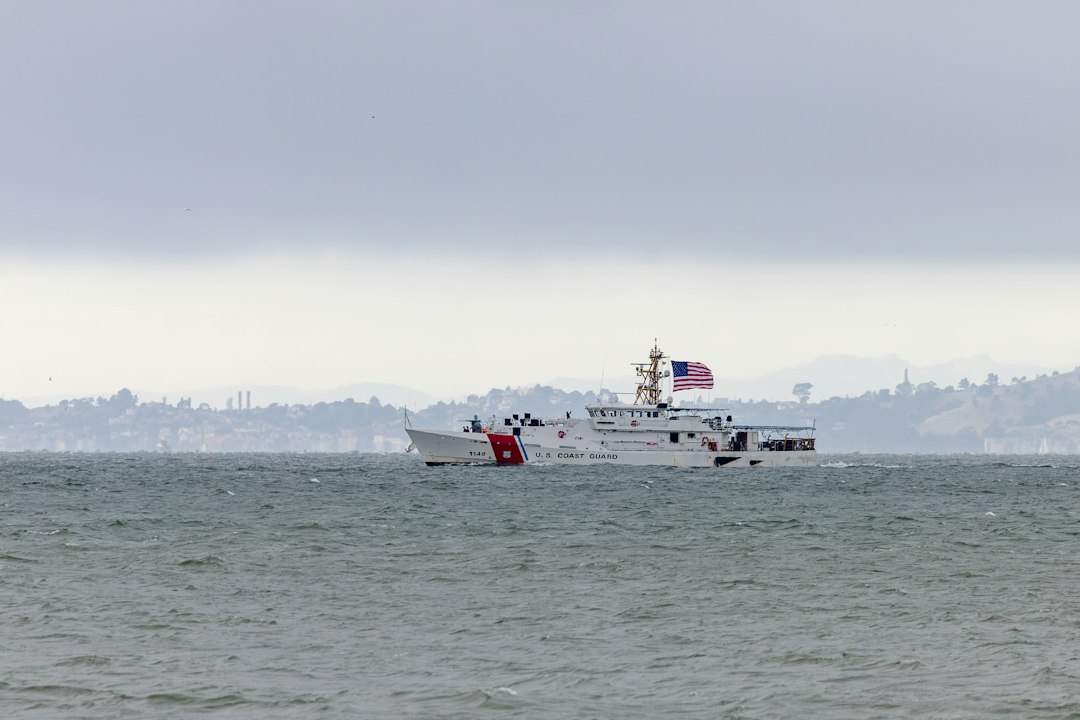
Operational Risks for Shipping
The Marine insurer cautions that vessels accumulating at anchorages east of the Strait face increased risks of attack, particularly during extended periods of anchorage. The situation is compounded by Iran’s ongoing blockade of U.S.-facilitated transits and its growing list of non-compliant vessels, which now encompasses 240 ships. This increase raises the stakes for shipowners operating in one of the world’s critical maritime chokepoints.
Given these mounting risks, the Swedish Club has advised operators to thoroughly reassess their war-risk insurance arrangements, navigational capabilities, and crew readiness before committing to voyages through the region. The advisory highlights a crucial point: neither the ongoing movement of commercial shipping in Hormuz nor previously uneventful transits can be taken as guarantees for safe passage.
The Operational Read
As tensions rise in the Strait of Hormuz, operational realities demand that shipowners remain vigilant about security risks that extend beyond typical geopolitical considerations. The insistence on re-evaluating insurance and crew preparedness reflects the increased threat environment that may arise unexpectedly. Operators must weigh the risks associated with anchoring in vulnerable areas and consider potential rerouting options to mitigate exposure. The current decline in shipping volumes through Hormuz highlights a significant shift in market dynamics, suggesting that the longstanding reliance on this route may be under renewed scrutiny. Vigilance and strategic planning will be essential for operators navigating these treacherous waters.