Update 14 Sep 2026, 08:32 UTC:
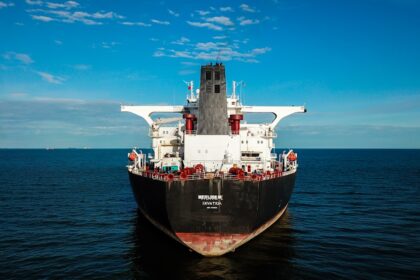
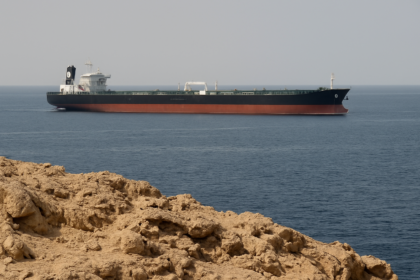
Maritime shipping in the Middle East is facing significant turmoil following the recent attacks on commercial vessels in the region. On Sunday, two commercial vessels were struck, including the Panama-flagged 47,999 deadweight ton product tanker El Gaia, located off the coast of Oman. This incident marks a troubling escalation of hostilities in an area crucial for global shipping and oil transportation.
The Attack Details
The identity of the aggressors involved in these attacks has not been definitively confirmed, but the timing coincides with heightened tensions linked to ongoing conflicts in the region. The Houthis have recently intensified their military activities, particularly around the Bab el-Mandeb Strait, a chokepoint through which a significant volume of global maritime trade passes. The strategic importance of these waterways cannot be overstated, as they are vital for the transportation of oil and other goods.

In addition to these threats, the recent shutdown of Saudi Arabia’s critical East-West oil pipeline further exacerbates vulnerabilities in maritime shipping routes, effectively creating a bottleneck that could lead to increased shipping congestion and delays. The operational implications for commercial shipping, particularly oil tankers reliant on these routes, are profound.
Market Responses
As tensions continue to escalate and the operational environment becomes more hazardous, shipping operators are compelled to reevaluate their strategies. The attacks have raised concerns about the potential for increased war-risk premiums, which could impact the cost of insurance for vessels operating in the region. Already, operators are considering alternative routes and enhanced security measures to safeguard their vessels against threats.
Industry stakeholders acknowledge the need for heightened vigilance and responsive action plans as they navigate these changing dynamics. The recent incidents signal an urgent call to prioritize maritime security in one of the world’s most crucial shipping regions.
The Operational Read
The convergence of threats in the Hormuz and Bab el-Mandeb straits raises operational challenges for shipping companies and crews involved in these routes. With increased risk comes a likely rise in insurance costs, which could strain freight rates and operational budgets. Charterers may demand more rigorous safety protocols, impacting laytime considerations and demurrage charges, complicating the economic landscape for those reliant on these passages. Operators need to remain alert to geopolitical developments while also assessing the viability of alternative trade routes to mitigate potential disruptions.