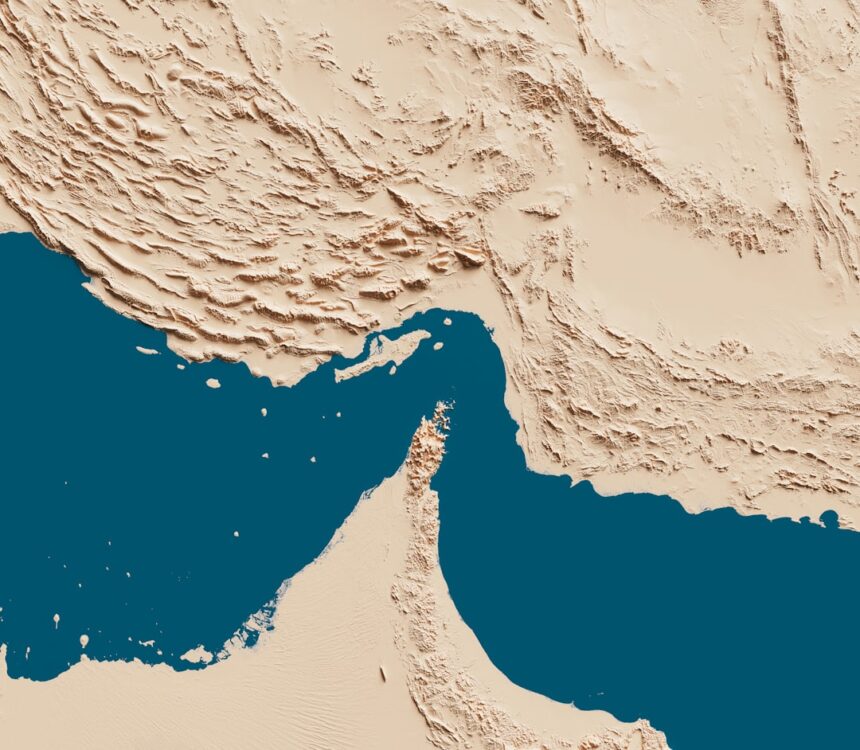
U.S. military forces have successfully cleared sea mines laid by Iran in the internationally recognized shipping lanes of the Strait of Hormuz, according to Admiral Brad Cooper of U.S. Central Command. This announcement comes as part of ongoing efforts to facilitate maritime commerce in one of the world’s most critical chokepoints, following months of heightened tensions and disruptions in the region.
Clearing Operation Details
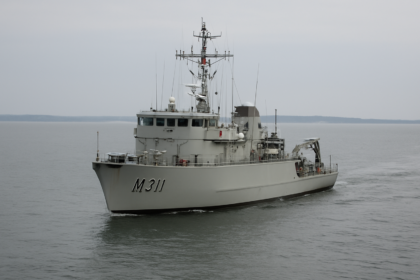
In a recent video release on X, Admiral Cooper detailed the extensive operation undertaken by U.S. forces, which has involved a combination of Navy divers, Navy SEALs, and support from various branches of the armed services, including the Army, Navy, Air Force, and Marine Corps. This coordinated effort specifically targeted the Traffic Separation Scheme (TSS), established lanes historically utilized by international commercial shipping.
Admiral Cooper stated that over the past few months, U.S. forces methodically cleared the TSS of mines, indicating the complexities and dangers encountered during the operation. He affirmed, “Bottom line: Today, international shipping lanes are open, and momentum is building.” The operation has seen 1,500 vessels transit the Strait, carrying around 750 million barrels of crude oil since the clearance began.

Risks and Operational Implications
While the TSS has been declared free of known mines, maritime authorities caution that the broader Strait of Hormuz still poses risks from uncharted or drifting mines. The Joint Maritime Information Center (JMIC) reiterated that mine clearance operations continue, maintaining a severe threat assessment overall. This indicates that while known threats are mitigated, the maritime security situation remains precarious.
Furthermore, the risk factors were highlighted by the recent incident involving the tanker AL SALAM II, which was struck by a projectile on August 25 while maneuvering through the Strait. Fortunately, there were no injuries reported, but the event underscores the potential dangers that persist despite American military efforts. This incident coincided with President Trump’s comments pledging ‘Zero Tolerance’ against any further mine placements in the region.
The Operational Read
The operational dynamics in the Strait of Hormuz are increasingly complex as U.S. efforts to restore normal shipping traffic progress. Despite the clearance of known mines from the TSS, the presence of uncharted mines and threats from hostile actions complicate navigational safety. Operators and charterers must remain vigilant, thoroughly assessing risks and implementing protective measures. The U.S. Navy’s continued presence and the ongoing clearance operations will be critical to restoring confidence among shipping lines, fostering a return to pre-conflict transit levels. Stakeholders should closely monitor security developments and engage in proactive risk management strategies as the situation unfolds.