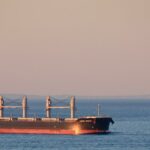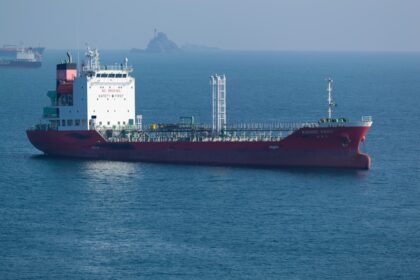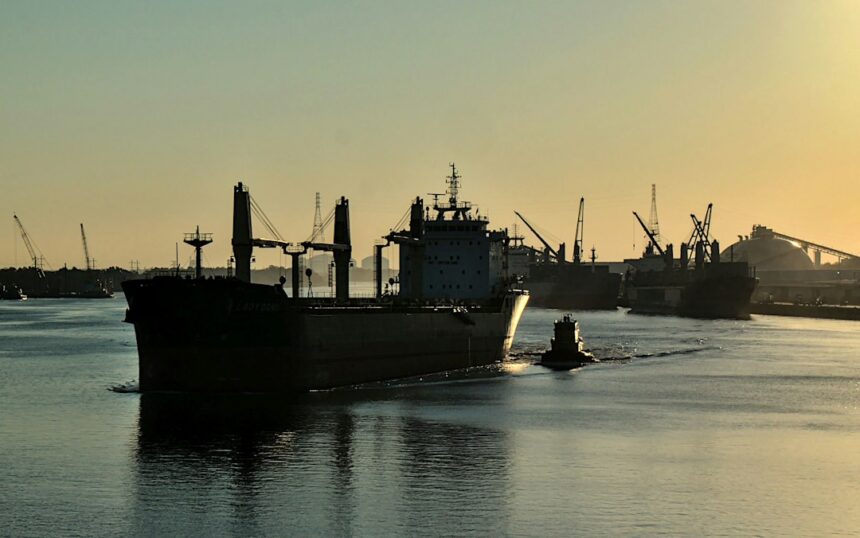
The bulk carrier Miro G has been successfully refloated after it grounded on a beach along France’s Atlantic coast near Cap de l’Homy. The vessel, which has a deadweight of 28,200 tons and is registered under the Malta flag, was pulled free by the emergency response tug Abeille Bretagne from Les Abeilles International four days after it ran aground.
The Incident
Details emerging from the operation indicate that the grounding occurred on a beach, raising immediate concerns regarding environmental implications and the ship’s structural integrity. Salvors faced the challenge of maneuvering the vessel back into deeper water while ensuring that surrounding marine environments remained unharmed. The scenario emphasized the importance of prompt action in grounding incidents, particularly near ecologically sensitive areas.
Market Impact
This incident underscores the risks associated with maritime operations in coastal regions prone to grounding and the challenges of salvaging vessels under such circumstances. Shipping companies remain vigilant about the potential for increased insurance premiums and reassessments of operational routes, particularly around areas known for navigational hazards. The speedy resolution of this incident mitigates longer-term impacts, allowing market stakeholders to maintain confidence in shipping lanes along the French coast.


Operator Response
Following the successful refloating of the Miro G, the operator is likely to review its navigation protocols and incident management strategies to prevent similar occurrences. It is crucial for operators to incorporate lessons learned from such incidents into training and emergency preparedness plans, ensuring that crew members are equipped with the knowledge to respond effectively to grounding situations. Future operations may also factor in increased scrutiny from regulatory bodies tasked with maritime safety and environmental protection.
The Operational Read
The grounding of the Miro G serves as a reminder of the inherent risks in bulk carrier operations, particularly in regions with complex shorelines. For operators and crews, the successful salvage operation illustrates the criticality of having competent emergency response capabilities in place, as delays can exacerbate environmental concerns and operational costs. Continuous improvement in navigational practices and the integration of real-time monitoring technologies can enhance situational awareness, potentially reducing the likelihood of such incidents. Stakeholders should also be aware of evolving regulations regarding marine salvage operations and environmental safeguards as they adapt to the implications of this incident.