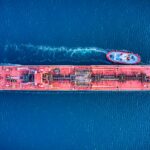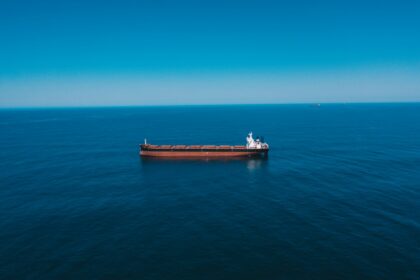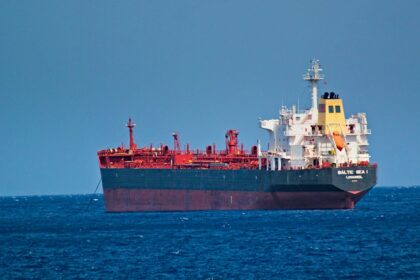
A group of seven sanctioned Russian tankers has been identified using AIS spoofing techniques to misrepresent their locations while operating near the Bosphorus Strait. Over the last 90 days, these vessels falsely claimed to be drifting off the coast of the Black Sea, effectively concealing their true destination—the Russian oil terminal in Novorossiysk.
The Incident
According to maritime analytics company Windward, the identified vessels included an array of tankers, comprising various flags including Sierra Leone, Russia, and Equatorial Guinea. This pattern of AIS manipulation typically coincided with their voyages to Novorossiysk, which lasted around 2-3 weeks. The tankers managed to avoid detection from Ukrainian drone operations by keeping close to the Black Sea coastline and disrupting their Global Navigation Satellite System (GNSS) data. Such deception appears to be a calculated response to the heightened hostilities in the region.

Market Impact
As Russian tactics continue to threaten maritime safety, the implications for shipping operators navigating the Black Sea region are profound. The use of spoofing not only complicates safe passage but also raises significant concerns about insurance and risk management for vessels transiting these waters. Furthermore, Ukraine has reported previous attacks on commercial shipping that have resulted in seafarer casualties, underscoring the volatility of the current operational environment. The wide-reaching impact of such threats is likely to affect charter rates as well as insurance premiums, especially for those services that risk operating in close proximity to contested zones.


Operator Response
Shipping operators are advised to enhance their tracking and situational awareness capabilities to counteract the risks posed by spoofed AIS signals. Continuous monitoring of satellite imagery and adopting stronger safety protocols have become essential for mitigating risks associated with Russian aggression in the Black Sea. While some vessels have legitimately switched off their AIS for safety reasons due to the ongoing conflict, the potential for misreported positions necessitates clear communication and adherence to updated maritime safety guidelines.
Behind the Headline
The ongoing use of AIS spoofing by Russian shadow fleet tankers signals a notable escalation in deceptive shipping practices amid an already risky maritime environment. For operators, this not only complicates the operational landscape but also emphasizes the necessity for rigorous monitoring of navigation systems. The capacity to detect anomalies in signal data should be a cornerstone of operational strategies moving forward. With operations increasingly threatened by both political maneuvers and military actions, the industry is entering an era where navigational safety and compliance with international maritime law will face unprecedented challenges.