Update 24 Jul 2026, 22:34 UTC:
On 20 July, the Houthi movement publicly announced a comprehensive naval blockade aimed at Saudi Arabian shipping. This decision explicitly threatens any vessel attempting to access Saudi ports, reinforcing the already volatile maritime security situation in the region.
Details of the Blockade
The Houthis, a politically-motivated group engaged in an ongoing conflict with Saudi Arabia, signaled their intention to escalate tensions further with this blockade. With historical context rooted in civil unrest and international intervention, this new development risks significant implications for vessels in the Red Sea and surrounding areas.


Implications for Maritime Operations
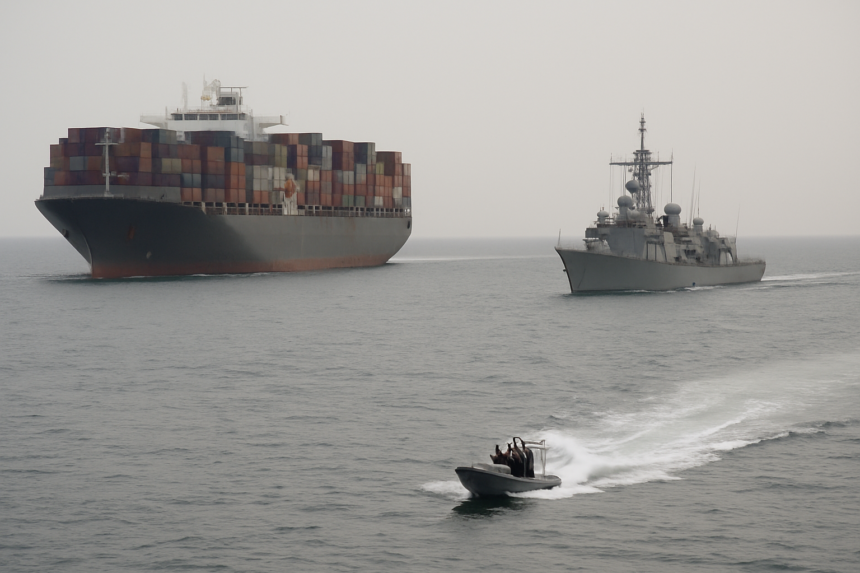
As a result of the blockade announcement, shipping operators and companies are evaluating the increased risks associated with their shipping lanes. Companies may need to adjust their routes to circumvent any areas facing heightened military activity or respond proactively to escalated security measures. The potential for encounters between commercial vessels and maritime forces involved in the blockade is a pressing concern that could lead to operational delays and additional costs.
The Operational Read
This blockade presents substantial operational challenges for shipping operators active in the region. The threat level for vessels calling at Saudi ports is significantly elevated, prompting a review of current risk assessments and contingency plans. With the potential for confiscations or military encounters, charterers might impose war-risk premiums, influencing freight rates. It is crucial for operators to remain vigilant, adapt their logistics strategies promptly, and consider the economic repercussions on commodity transportation schedules, particularly for oil and gas shipments.