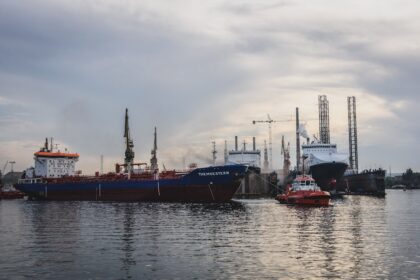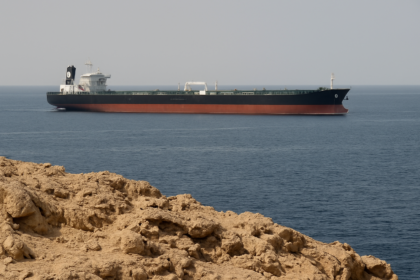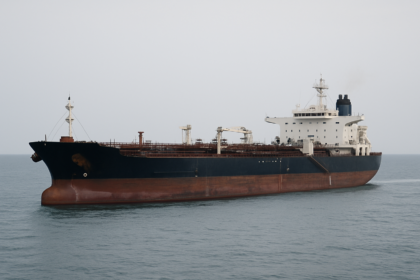


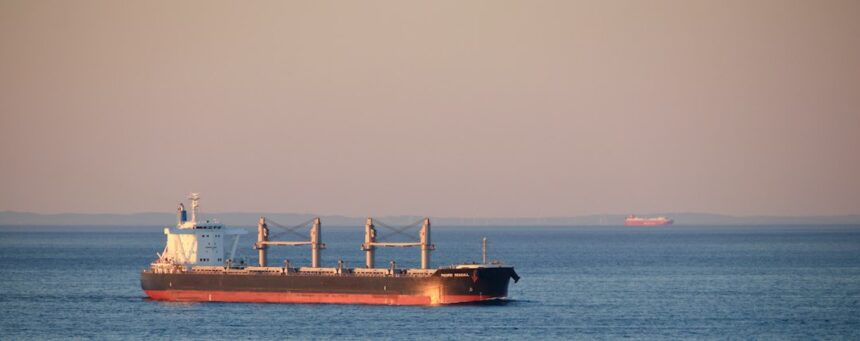
In a significant policy shift, the U.S. government has begun authorizing the sale of sanctioned oil tankers to approved investors, as announced by U.S. Energy Secretary Chris Wright on Monday. This decision aims to address soaring freight costs exacerbated by escalating tensions in the Strait of Hormuz.
The Strategic Context
The Strait of Hormuz, a crucial maritime chokepoint for global oil transit, has witnessed increased attacks on shipping vessels, raising the stakes for operators navigating these waters. With freight costs rising sharply due to these tensions, the U.S. initiative seeks to mitigate market volatility by allowing sanctioned vessels back into legal trading channels. Approved investors will be responsible for refurbishing these vessels to comply with operational standards before they can resume crude transportation.
Market Dynamics
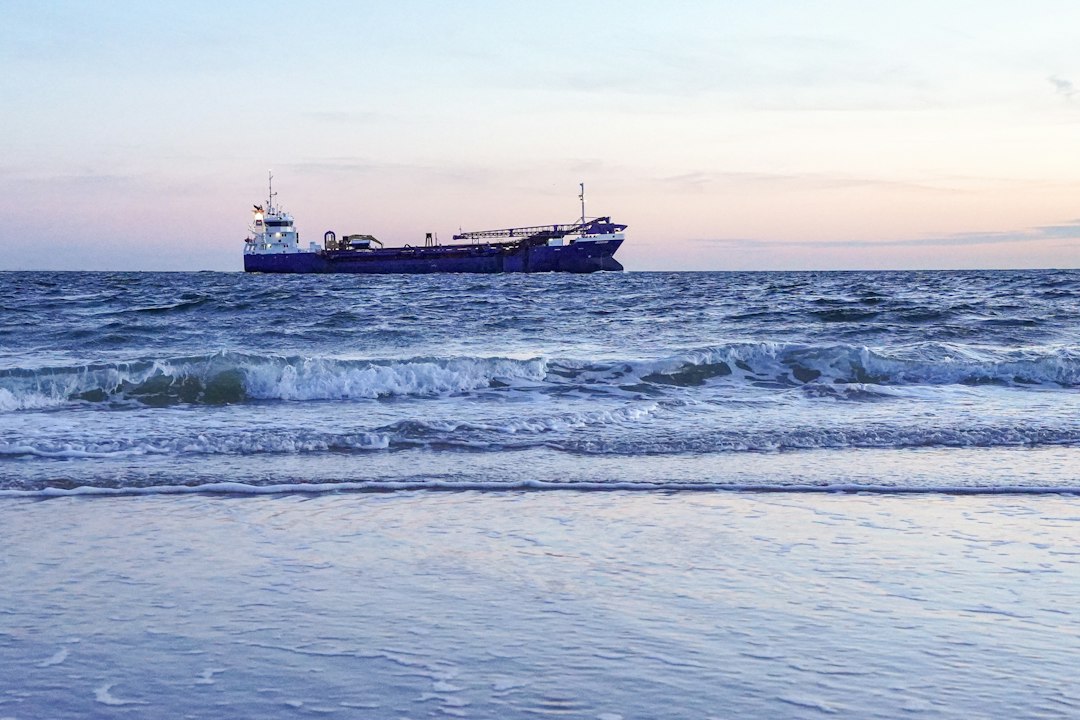
Freight rates have surged in recent months as operators seek to navigate the challenges presented by geopolitical instability. By facilitating the refurbishment of sanctioned tankers, the U.S. aims to enhance fleet availability and stabilize prices within the crude trading sector. The decision allows for a more flexible and dynamic market response to ongoing supply chain disruptions caused by regional conflicts.

Moving Forward
Shipping operators are urged to monitor developments closely, particularly regarding the operational readiness of these refurbished tankers and the implications for overall market competitiveness. The efficacy of this U.S. strategy will be crucial in ensuring that maritime trade in the region remains viable while addressing security concerns posed by the continued threats in the Strait of Hormuz.
The Operational Read
This U.S. policy shift underscores the complexities of maritime operations in geopolitically sensitive regions. For operators, the ability to acquire and refurbish sanctioned tankers may provide a vital resource as market conditions fluctuate. However, safety concerns due to heightened conflict remain paramount, necessitating thorough risk assessments for voyages through the Strait of Hormuz. Future developments regarding regional security and additional sanctions will be key factors influencing the operational landscape for tanker fleets and traders alike.