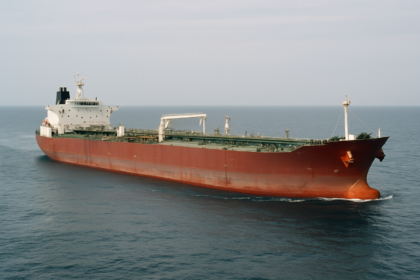


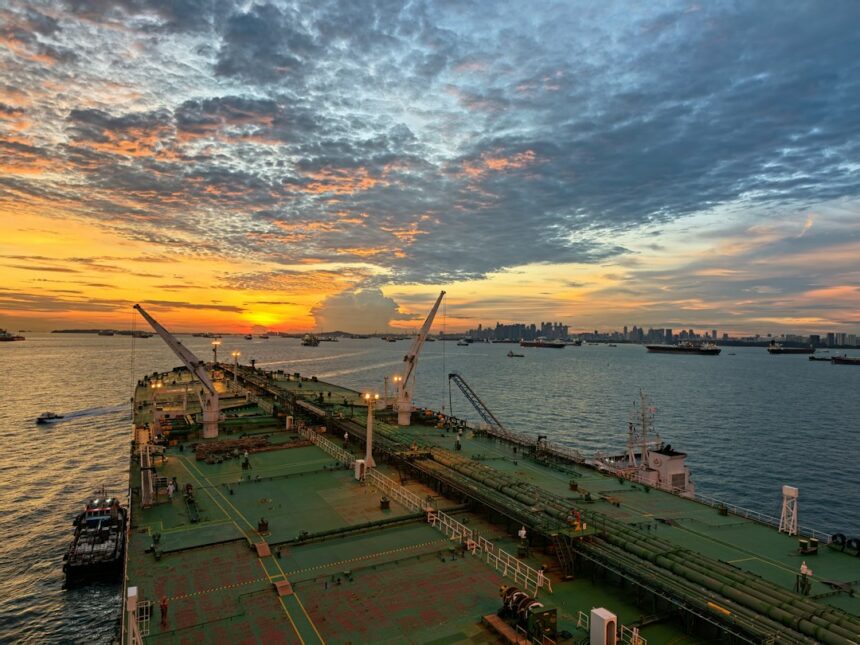
Sinokor Group, a South Korean shipowner, has emerged as a dominant force in oil transits through the Strait of Hormuz, with its vessels transporting 105.6 million barrels of crude in September 2026. This figure constitutes approximately 40% of the total oil flow through the strait, which is a vital conduit for crude from the Persian Gulf to global markets, according to analysis from ship-tracking firms Vortexa, Equasis, and Signal Group.
Significant Competitors
The next three competitors in the market — the National Shipping Company of Saudi Arabia (commonly known as Bahri), Kuwait Oil Tanker Company, and Abu Dhabi National Oil Company’s shipping unit — collectively moved 97.3 million barrels during the same period. This highlights Sinokor’s substantial lead and growing influence in the region.
Fleet Strategy and Market Trends
Sinokor’s fleet expansion has occurred against the backdrop of heightened tensions in the region, particularly since the onset of the Iran conflict. The company’s strategic acquisitions, primarily through vessel purchases and time charters, positioned it advantageously to service demand when Hormuz faced near closure. Producers facing storage limitations turned to Sinokor’s fleet, often at premium rates, to maintain operations.


As Gulf crude exports have rebounded to levels close to pre-war activity, Sinokor has actively participated in shuttling operations. Its tankers facilitate short-haul voyages to load oil from the Persian Gulf, navigate through Hormuz, and discharge at ship-to-ship transfer points in the Gulf of Oman. The operational reach has expanded recently to include contracts for crude shipments from Iraq and Qatar, diversifying its engagement within the oil shipping market.
The Operational Read
The significant presence of Sinokor Group in the Strait of Hormuz illustrates a shift in maritime oil transport dynamics. For operators and charterers, the increased market share of a single shipowner could affect charter rates and competition. The current geopolitical climate favors companies capable of adapting quickly to regional disruptions, thus making Sinokor’s operational model particularly relevant. Stakeholders should monitor further developments in regional conflicts and how they impact shipping routes and vessel availability, as these factors will undoubtedly influence operational strategies and market conditions in the coming months.