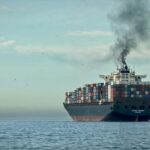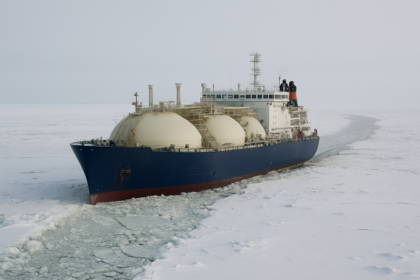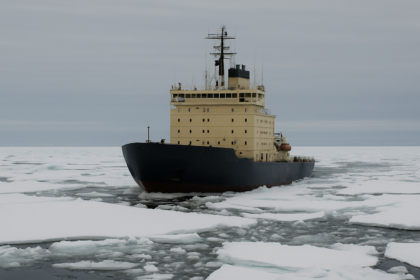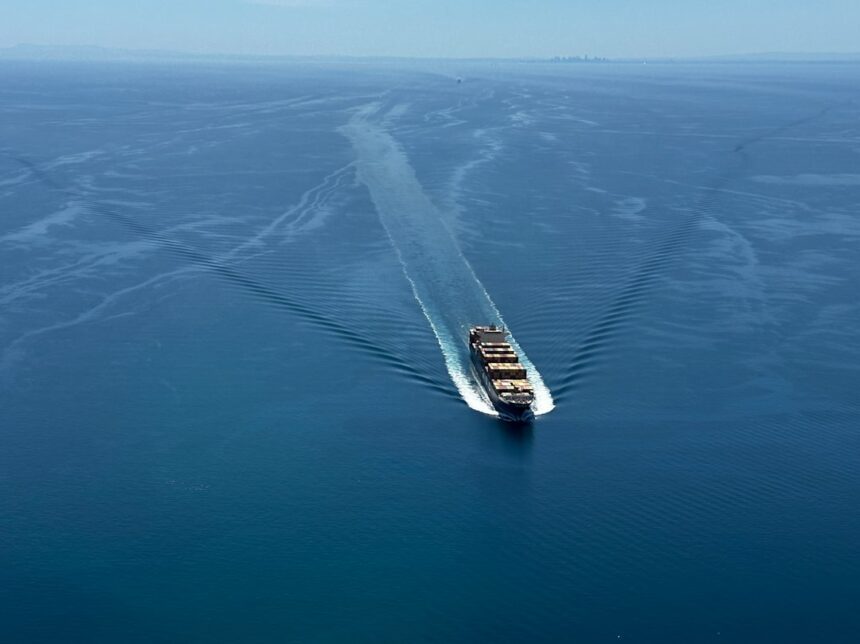
South Korea has commenced its first trial container voyage through the Arctic, leveraging the diminishing sea ice to explore new shipping routes. This strategic initiative comes against a backdrop of escalating tensions in the Middle East, influencing global shipping patterns. The PanStar Acro departed from Busan New Port, embarking on a journey to Europe via the Northern Sea Route, with anticipated stops in Felixstowe (UK), Rotterdam (Netherlands), and Gdansk (Poland).
The Voyage Details
Scheduled to leave at 8 p.m. local time, the voyage is expected to take approximately 45 days. This expedition follows a similar route undertaken by China’s Dubai Tower earlier this month, showcasing the Northern Sea Route’s evolving status as a potential alternative corridor for East-West trade routes. The Korea Institute for International Economic Policy indicates that routing through the Arctic could reduce transit times by around 10 days and distance by 7,000 kilometers compared to traditional passages through the Suez Canal.
Geopolitical Implications
As South Korea evaluates maritime options amidst geopolitical uncertainties, Vice Oceans Minister Nam Jae-hon expressed optimism about the Arctic route becoming a competitive alternative to routes heavily reliant on Middle Eastern shipping channels. Additionally, potential complications arise concerning Western sanctions on Russia, which may affect the operational logistics of South Korean vessels receiving navigation and weather services from Russian authorities. This intricacy adds a layer of complexity that shipping firms must navigate carefully.


Environmental Concerns
Environmental organizations have raised concerns that increased shipping traffic along the Northern Sea Route could exacerbate the already critical issue of Arctic sea ice reduction. As shipping bodies like CMA CGM, MSC, and Hapag-Lloyd engage with this emerging route, the ecological balance of the Arctic region may face serious threats from accelerated ice melting consequences related to global warming. This juxtaposition between economic viability and environmental sustainability presents a formidable challenge for all stakeholders involved.
The Operational Read
The operational feasibility of the Northern Sea Route is under scrutiny as the PanStar Acro’s expedition is indicative of a strategic pivot in global shipping logistics. For operators and charterers, the prospect of significantly reduced transit times through the Arctic could reshape supply chain management, particularly in cases of geopolitical disruption. However, awareness of international regulations, particularly U.S. and EU sanctions that may apply to business dealings with Russian entities, will be crucial for compliance. Going forward, the industry will need to monitor both the environmental impacts and the legal ramifications of utilizing this route to ensure sustainable and lawful operational procedures.