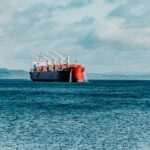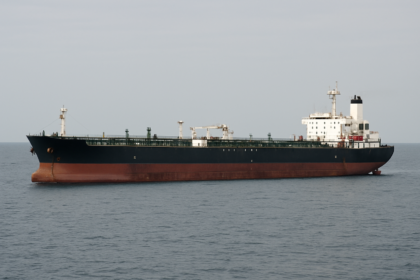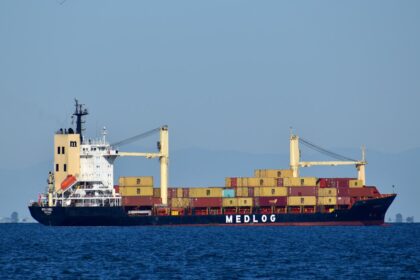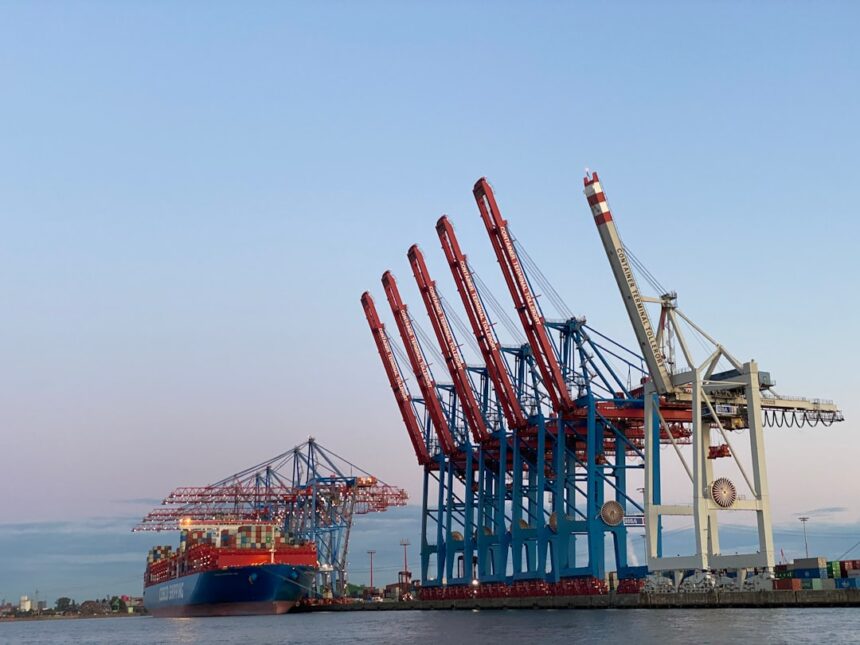
On Wednesday, July 29, a drone strike at the Damietta port in Egypt struck a U.S.-owned floating storage tanker, marking a significant escalation in the ongoing Middle East conflict. The attack caused a fire that spread to another vessel, resulting in crew evacuations and eventual fire control by emergency teams.
The Incident
No group has claimed responsibility for the drone strike. However, its occurrence coincides with escalated military engagement in the region, including recent U.S. and Saudi airstrikes targeting Iran-aligned paramilitary factions in Iraq. This broader conflict, which has already lasted five months, remains volatile, with further developments likely to impact maritime operations in the Mediterranean.
Market Impact
The drone strike and associated hostilities have prompted a sharp increase in oil prices, with Brent crude futures rising by over 8% to exceed $90 a barrel. This surge reflects heightened market anxiety regarding the safety of shipping routes in light of the recent escalation of violence. The conflict has highlighted the interlinkages between geopolitical strife and energy market stability, prompting operators to reassess risk levels and potential disruptions in supply chains.

Operator Response
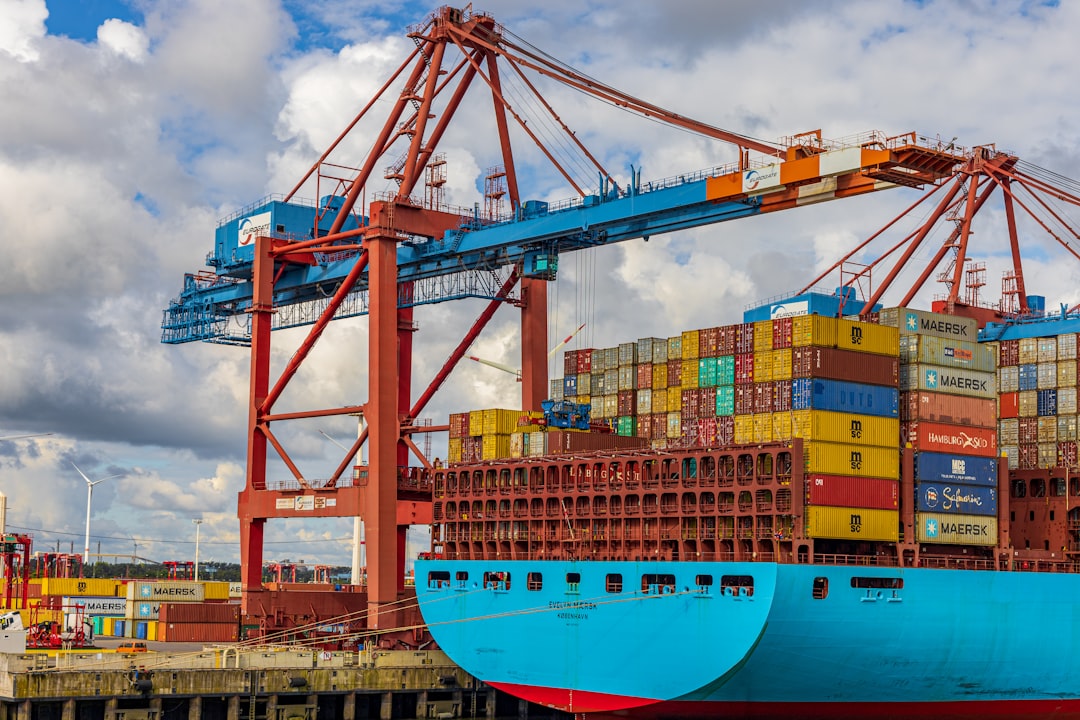
As the geopolitical landscape unfolds, shipping operators are advised to implement heightened security protocols, particularly in high-risk zones like the Mediterranean and Middle Eastern waters. With military tensions on the rise, there is a pressing need for stakeholders to evaluate alternative routing options to mitigate potential risks associated with transit through volatile areas. Continuous monitoring of both market conditions and military developments will be essential to navigating this intricate landscape.
The Operational Read
The escalation of drone attacks and military responses in the Middle East carries significant implications for maritime operations. For ship operators, the threat of conflict-induced disruptions necessitates strategic planning, particularly in energy logistics. With heightened risk in vital transit corridors, charterers may demand revised terms in contracts, including increased laytime allowances or additional insurance coverage. Stakeholders must remain vigilant as geopolitical dynamics evolve, seeking to efficiently balance operational strategies and safety protocols against a backdrop of uncertainty.