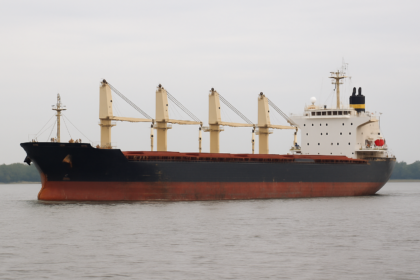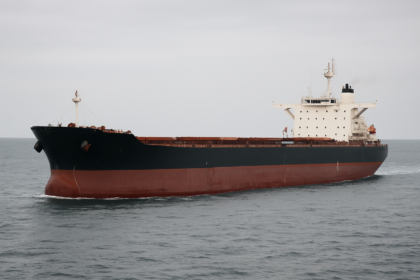


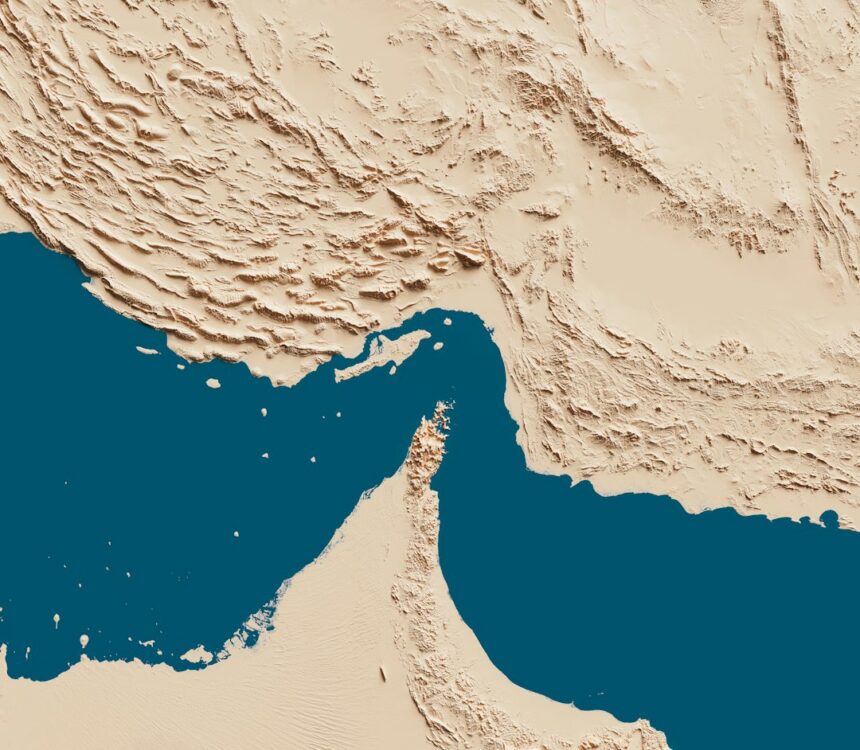
Approximately 6,000 seafarers are currently trapped near the Strait of Hormuz as attacks on commercial vessels intensify, according to the International Maritime Organization (IMO). The organization’s Secretary-General, Arsenio Dominguez, highlighted the worsening safety conditions in the strategic waterway, where 24 ships have reportedly come under fire within a fortnight. Dominguez characterized the situation as severe, emphasizing the critical nature of international shipping routes in this area.
The Escalating Conflict
As of October 9, the IMO confirmed that 100 maritime incidents had occurred in the region since February 28, with 24 seafarers tragically losing their lives due to conflicts linked to U.S.-Iran tensions. Dominguez has advised vessels to refrain from transiting the Strait of Hormuz until safe passage can be assured. His comments reflect mounting concerns over the safety of crews caught in this conflict.
In addition to attacks on commercial vessels, a separate dispute has arisen regarding the alleged misuse of VHF Channel 16, the international maritime safety frequency. Iranian authorities accused U.S. military forces of occupying the channel, using it to threaten Iranian civilian crews. This claim has resulted in calls for the IMO to address the issue among member states and organizations, even as the assertions have not been independently verified.

U.S. Response and Operational Concerns
The U.S. Central Command (CENTCOM) has defended its efforts to enforce a naval blockade on Iranian ports, asserting that all maritime operators are adequately informed about the blockade procedures. CENTCOM has indicated that there are multiple warnings provided to non-compliant vessels, ensuring that operators have fair notice to adhere to regulations.
This situation has raised vital questions about the protection of maritime communication channels, especially when civilian vessels operate in conflict zones. With the potential for miscommunication or malicious use of established maritime channels, the risk to crews and operators becomes increasingly amplified.
The Operational Read
The ongoing crisis in the Strait of Hormuz presents notable operational challenges for maritime stakeholders, particularly those involved in crew management and route planning. With thousands of seafarers stranded in the region, shipping companies must reevaluate transit strategies and ensure the safety of their crews. The rising frequency of attacks can lead to increased war-risk insurance premiums and may force operators to consider alternate routes that bypass the Strait entirely. Stakeholders should remain vigilant about maritime security and communicate effectively with crews while monitoring updates from maritime authorities regarding the evolving situation.