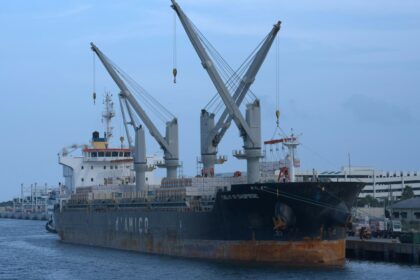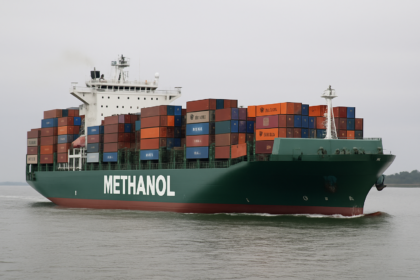



Rio Tinto has officially approved a substantial investment of $1.9 billion aimed at expanding its bauxite production capabilities in Queensland, Australia. This strategic initiative includes the development of the Kangwinan project, located on the western Cape York Peninsula, which is anticipated to significantly bolster the company’s annual production capacity by an additional 20 million tonnes.
Central to this project is the upgrade of export facilities designed to accommodate larger capesize bulk carriers. By facilitating the handling of these larger vessels, Rio Tinto aims to improve operational efficiency and optimize transportation costs within the bauxite supply chain.
The Project Scope
The Kangwinan project reflects Rio Tinto’s commitment to increasing bauxite supply amid a growing global demand, particularly for aluminum production. With first output targeted for 2029, the project is positioned to not only enhance the company’s production metrics but also potentially influence market dynamics as bauxite supply tightens in other regions.

Market Implications
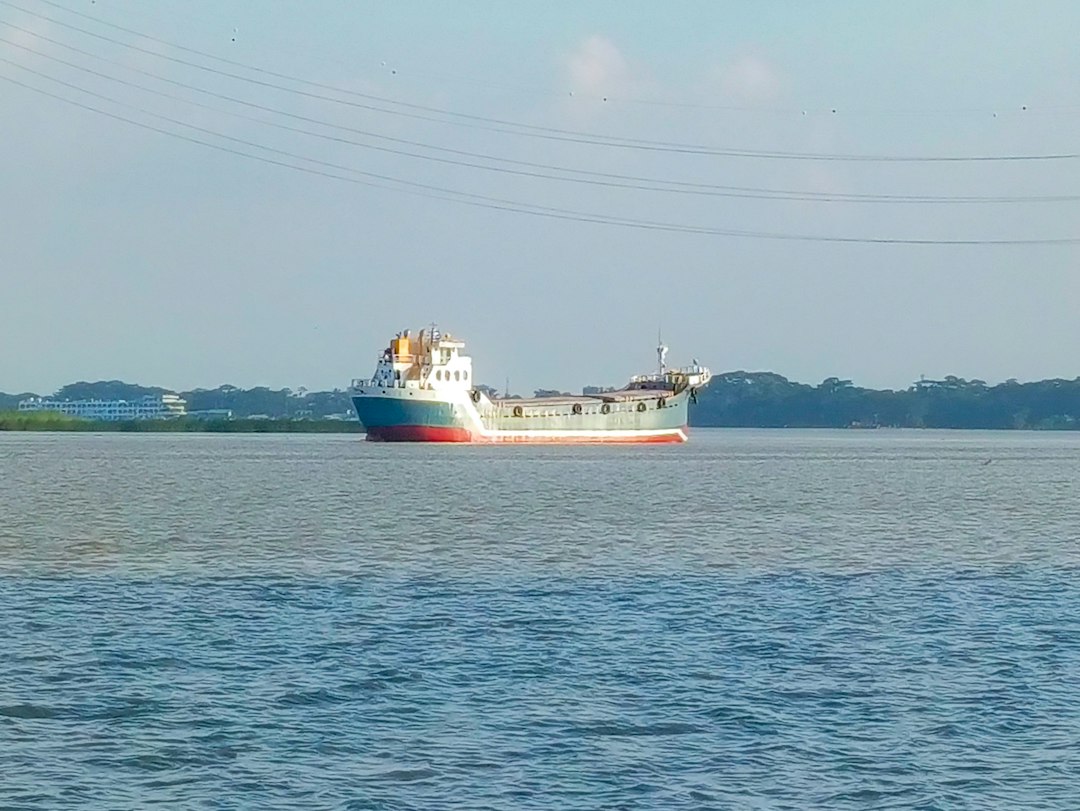
The increase in production capacity and the ability to service larger capesize bulk carriers may alter shipping routes and logistics for bauxite transport. As larger vessels can typically offer lower freight rates per tonne, this development could lead to a competitive pricing advantage for Rio Tinto in the global bauxite market. Operators in the shipping industry will need to adjust their strategies to accommodate this larger scale of operations.
Operator Response
Industry stakeholders are expected to keep a close watch on how Rio Tinto’s expansion unfolds and the implications for supply contracts and freight rates. The upgrade in export capacity may attract interest from shipping companies specializing in capesize vessels, as they may see an increase in demand from Rio Tinto’s operations. Additionally, with increasing focus on sustainable practices, how Rio Tinto integrates decarbonization initiatives within this project will be pivotal for future investment and operational strategies.
Behind the Headline
Rio Tinto’s significant financial commitment to the bauxite sector signals the company’s intent to remain competitive in a tightening market for aluminum inputs. Transitioning to larger capesize vessels not only lowers costs but also enhances delivery efficiencies, which are crucial for meeting global demand. Operators and investors should monitor how this development influences shipping logistics, particularly in regard to potential changes in freight rates and the competitiveness of existing bauxite suppliers.