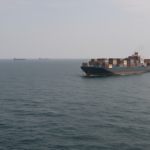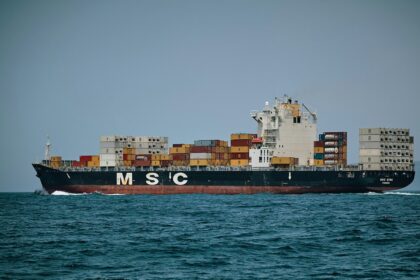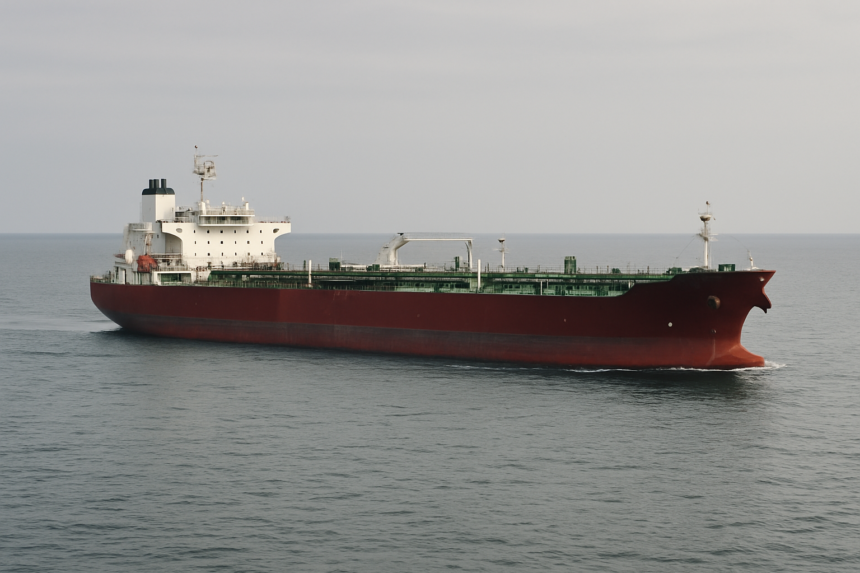
Scorpio Tankers has resumed operations through the Strait of Hormuz, successfully securing a charter for the STI Lotus for $10 million. This development is notable as it represents the first direct clean tanker spot fixture in nearly four months for the Persian Gulf-UK Continent route. Sources within tanker brokerages and chartering firms reported on June 25 that this fixture is indicative of a cautious restoration of normal shipping activity in this key maritime corridor, which had faced significant disruptions due to geopolitical tensions.
The Market Context
The charter for the STI Lotus to deliver jet fuel underscores a crucial shift in the market dynamics within the Strait of Hormuz, a vital chokepoint for global oil and refined product shipments. According to Platts, which is part of S&P Global Energy, the $10 million freight rate for this route is the highest recorded during and following the recent conflicts in the region. Such pricing reflects the ongoing risks and operational costs associated with transiting through this strategic waterway.
Market participants note that Scorpio’s renewed activity could signal the beginning of a normalization phase, albeit at a high cost. Prior to this charter, the shipping landscape had seen operators, including Hafnia—the largest LR1 company—remain reticent about entering the strait due to security concerns. As a result, a bifurcated market has started to emerge, presenting advantages to those willing to resume transits while others continue to avoid the area.

Operational Implications
As Scorpio Tankers increases availability of LR2 vessels for loading operations in the Persian Gulf and adjacent Fujairah port, the potential for further direct spot fixtures may elevate competition among operators. This shift is likely to affect overall shipping patterns in the region and could initiate a decrease in ship-to-ship transfers, which have been used extensively due to previous shipping disruptions. In recent weeks alone, over 15 LR2 vessels were chartered for transshipment operations in Oman and India, primarily for naphtha and distillate transfers from Navig8 tankers navigating the waters of the strait.
The trend of transitioning from ship-to-ship operations to more direct routes will not only expedite cargo deliveries but may also stabilize freight rates over time as confidence in the security of transit routes increases. However, ongoing geopolitical tensions remain an underlying concern that could again disrupt operations.
Behind the Headline
The actions of Scorpio Tankers signify a pivotal moment for tanker operators in navigating the complexities of transiting the Strait of Hormuz amid geopolitical risks. The ability to secure high-value charters like that of the STI Lotus reflects both confidence and desperation in a shipping marketplace still influenced by regional instability. Operators must now balance the prospect of enhanced revenues through direct routes against the potential for heightened operational risks. The broader market will be closely watching how many other companies elect to re-enter this critical corridor and the consequent shifts in freight pricing structures as direct engagements become more common.