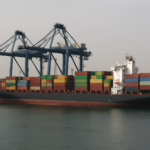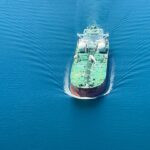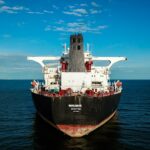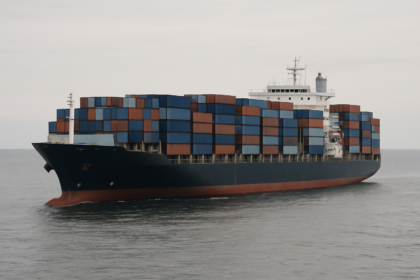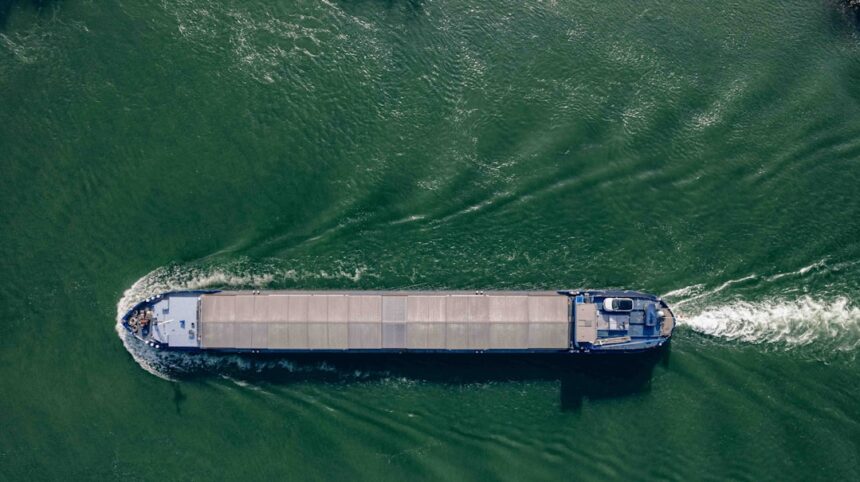
Indonesia, Malaysia, and Singapore have reaffirmed their commitment to maintaining the straits of Malacca and Singapore as secure and open maritime corridors for international shipping. In light of rising disruptions in global chokepoints such as the Strait of Hormuz, the countries emphasized the importance of navigational rights and freedoms in a joint statement during the 17th Co-operation Forum held in Singapore on August 25.
Singapore’s Transport Minister, Jeffrey Siow, highlighted the importance of these straits, which are recognized under international law as corridors for transit passage. He noted the significant volume of maritime traffic, with more than 100,000 vessels navigating the straits each year, representing a vital artery for close to a quarter of worldwide seaborne trade and nearly a third of global oil and gas supplies.
The Current Maritime Landscape
Recent conflicts in the Middle East have drawn attention to the fragility of maritime trade routes. Siow remarked that the ongoing geopolitical climate underscores that open sea lanes cannot be taken for granted. S&P Global Commodities at Sea reported a drastic decrease in traffic through the Strait of Hormuz, with average crossings plummeting to around 23 vessels per day from over 110 prior to the escalation of hostilities.

As part of its efforts to ensure safety and efficiency, the two-day forum will focus on operational improvements, including the introduction of new technologies and alternative fuels. The three littoral states, user nations, and industry stakeholders will review technical projects aimed at enhancing navigational safety in this critical region.
Emerging Risks and Safety Protocols
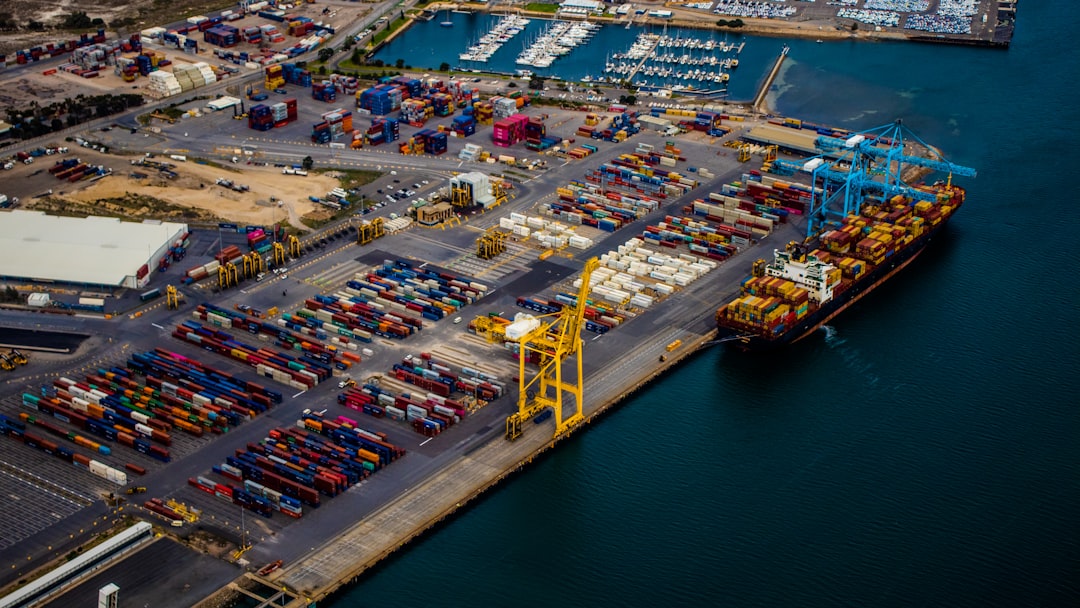
Amid growing traffic volumes and changing cargo profiles, Singapore is actively working towards stronger trilateral responses to marine incidents. More complex operational scenarios necessitate the finalization of regional guidelines by 2026, particularly concerning vessels in distress and requiring a place of refuge. Additionally, measures are being developed to address the alarming frequency of cargo fires on container vessels.
The Chief Executive of the Maritime and Port Authority of Singapore, Ang Wee Keong, remarked on the increasing size of vessels and volumes, making the operational environment in these straits increasingly complex. Forum discussions will include trends in marine incidents, cargo safety practices, and necessary adjustments to the under-keel clearance limit, which is especially pertinent for deep-draft vessels navigating these waters.
Why It Matters
The commitment of Indonesia, Malaysia, and Singapore to the security and openness of the Malacca and Singapore straits is vital for global maritime trade. Given that these straits are critical for energy supplies and international shipping, the coordinated approach to emerging risks and technological advancements reflects a proactive stance in maintaining navigational safety. Operators need to stay informed of new protocols and safety measures, as potential maritime incidents could significantly impact supply chains. The ongoing dialogue among the littoral states will set a precedent for addressing the evolving dynamics of maritime commerce in these busy waters.