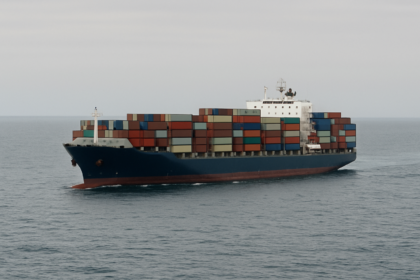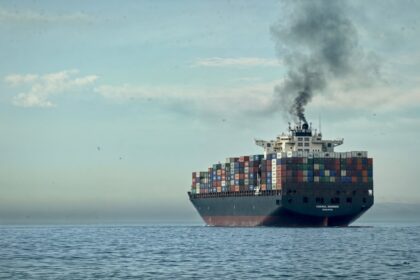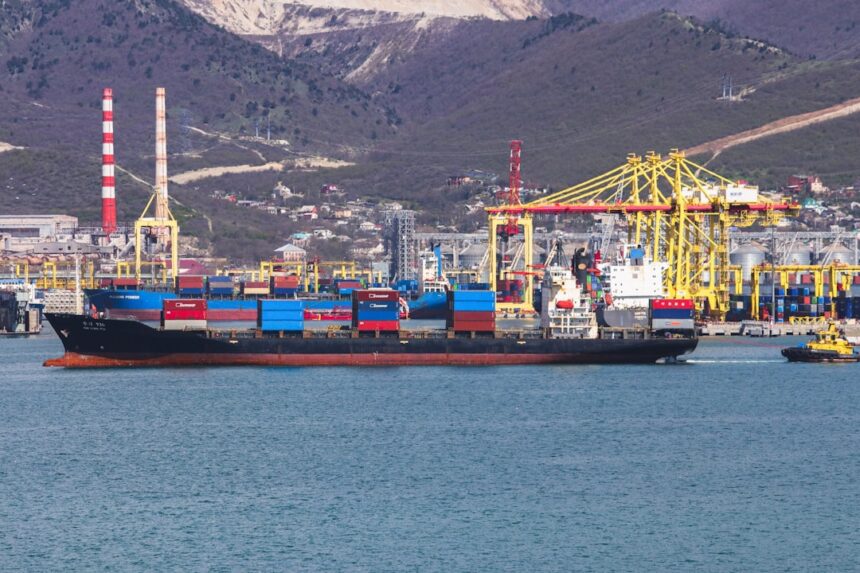
The Open Markets Institute has released a report advocating for the establishment of a publicly backed container shipping line in the United States. This initiative is driven by the need to alleviate the nation’s reliance on foreign container carriers, which currently dominate the market.
Industry Overview
According to the report, six foreign-owned liner companies control nearly 80% of global container shipping capacity and more than 90% of U.S. trade on key routes. This concentration of market power raises serious concerns regarding the sustainability and security of U.S. maritime logistics, especially under fluctuating geopolitical conditions.
Potential Benefits of a Public Carrier
The creation of a publicly backed shipping line could provide various strategic advantages. Besides reducing dependence on foreign operators, such a move could enhance U.S. control over its shipping routes and improve the resilience of its supply chains. A national carrier would also aim to stabilize freight rates, which can become volatile under the current monopolistic conditions.

Proponents argue that having a publicly owned container line would help safeguard national interests, spur job creation, and ensure that critical goods can be transported securely during disruptions. Furthermore, this initiative could stimulate competition in the maritime industry, potentially leading to improved service and lower costs for American consumers and businesses alike.
Challenges Ahead
While the concept has garnered support, several challenges must be addressed. Establishing a publicly backed shipping line would require substantial investment and a clear operational framework to compete effectively with established foreign carriers. Questions regarding governance, funding, and market entry tactics would need thorough consideration to navigate potential pitfalls in the competitive landscape.
Why It Matters
The proposal for a public container shipping line resonates with ongoing discussions regarding national security, trade autonomy, and supply chain resilience. For operators, the impact could be profound, affecting charter rates, laytime negotiations, and long-term planning. As global trade patterns evolve, maintaining a competitive edge will demand strategic investments in maritime infrastructure and capabilities. Observers will closely monitor the feasibility studies and legislative movements surrounding this initiative as the maritime sector undergoes transformative changes.