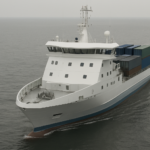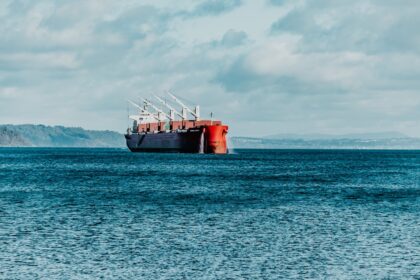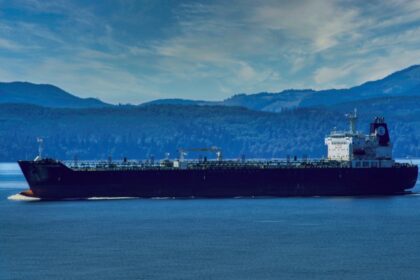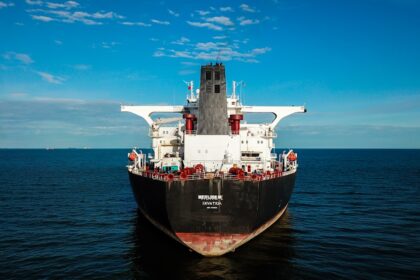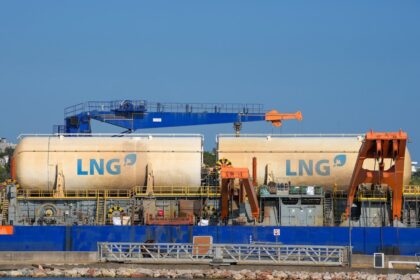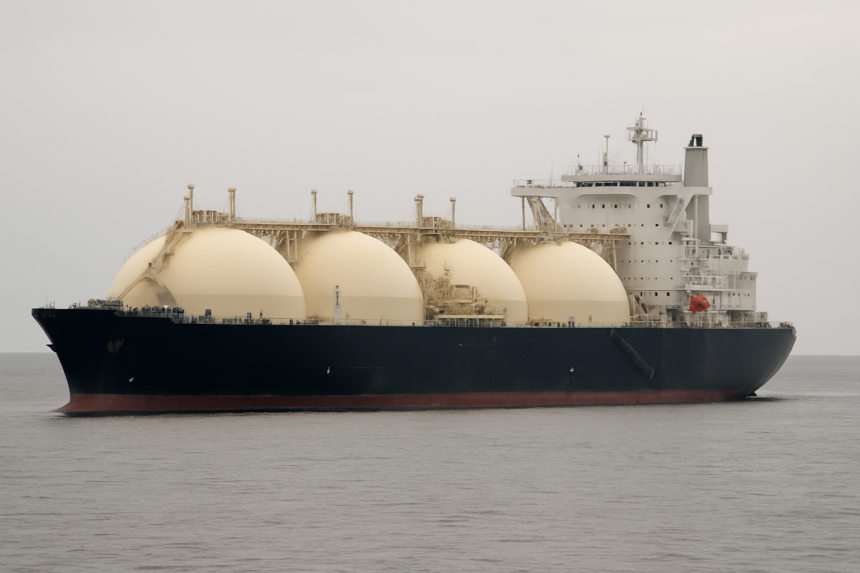
On Tuesday, Hudong-Zhonghua Shipbuilding (Group) Co., a subsidiary of China State Shipbuilding Corporation, delivered two state-of-the-art liquefied natural gas (LNG) carriers, each with a capacity of 174,000 cubic meters. This significant milestone underscores China’s growing expertise in the high-end shipbuilding sector, as the nation enhances its competitive edge in the global marine market.
Details of the Delivery
Both LNG carriers, measuring 299 meters in length and boasting a deck area comparable to three standard football fields, are designed to transport large volumes of LNG efficiently. Their construction reflects advances in China’s domestic shipbuilding capabilities, which have now reached a level capable of producing some of the largest LNG vessels in the world. The introduction of these carriers is expected to reduce each vessel’s daily carbon emissions by around 10 tons, aligning with global efforts to lower greenhouse gas outputs.
Market Context
China’s emergence as a leader in green vessel orders is evidenced by its dominant share, accounting for 80.2 percent of new global orders in the first quarter of 2026. This trend includes various vessel types such as LNG, LPG, and methanol dual-fuel carriers. As China captures over 30 percent of the global LNG carrier market, it positions itself as a key player amid the accelerating demand for cleaner energy solutions. Experts emphasize that this shift is supported by China’s advanced technologies and cost-effective shipbuilding practices.

Future Prospects
As part of its ongoing commitment to enhance its shipbuilding capabilities, Hudong-Zhonghua has commenced construction on the QC-Max ultra-large LNG carriers, which will have a capacity of 271,000 cubic meters—the largest of their type. The current order book includes nearly 60 LNG carriers projected to extend production timelines beyond 2030, solidifying China’s leadership position in LNG marine transport. Lin Boqiang of the China Center for Energy Economics Research notes that these developments not only strengthen China’s role in the global LNG landscape but also support the broader transition towards low-carbon energy infrastructure worldwide.
Why It Matters
The launch of these advanced LNG carriers represents a significant shift in the maritime supply chain, particularly in the context of increasing demand for liquefied natural gas as a transitional fuel. Operators will find that China’s growing capabilities in building high-capacity vessels enhance competition, potentially lowering freight costs and accelerating the adoption of cleaner fuels. As global shipping aligns with environmental regulations, the strategic investments made by China in its shipbuilding sector could reshape market dynamics, positioning it as a more influential player in global energy infrastructure development.