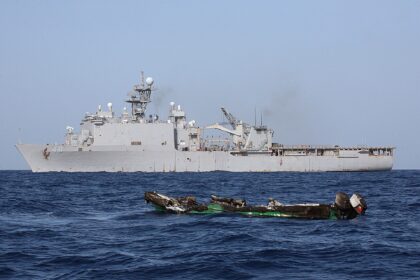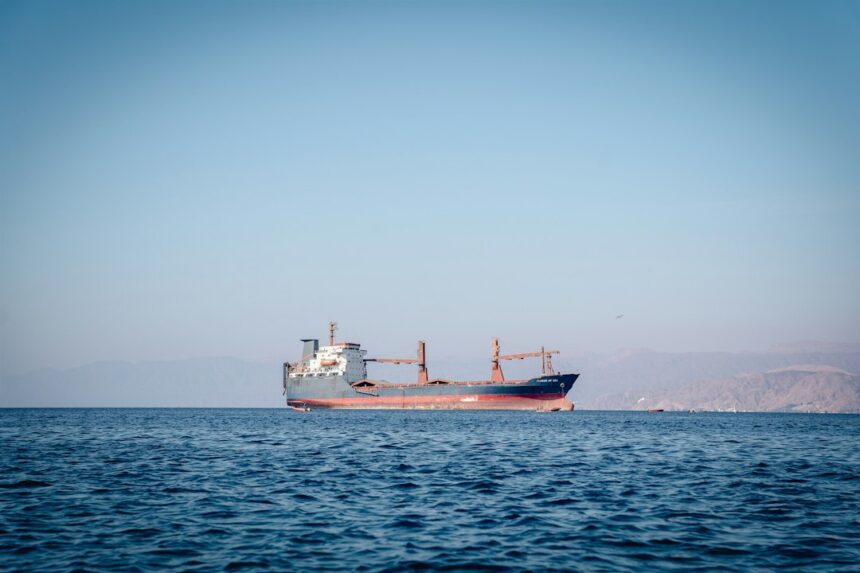
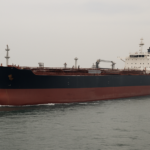
The U.S. military disabled the Panama-flagged commercial cargo vessel M/V Ocean Molica on Saturday, October 10, as it attempted to breach a naval blockade in the Gulf of Oman. The operation involved a precision munition fired by a U.S. military fighter jet, which struck the stern of the vessel, disabling its propulsion system while ensuring the safety of the crew.
The Incident
According to U.S. Central Command (CENTCOM), the cargo vessel had left an Iranian port and was navigating regional waters when it ignored multiple warnings. The U.S. forces emphasized the importance for mariners to comply with blockade notifications, closely monitor notice-to-mariners broadcasts, and remain in communication with U.S. naval assets operating in the vicinity.
Context of Rising Maritime Tensions
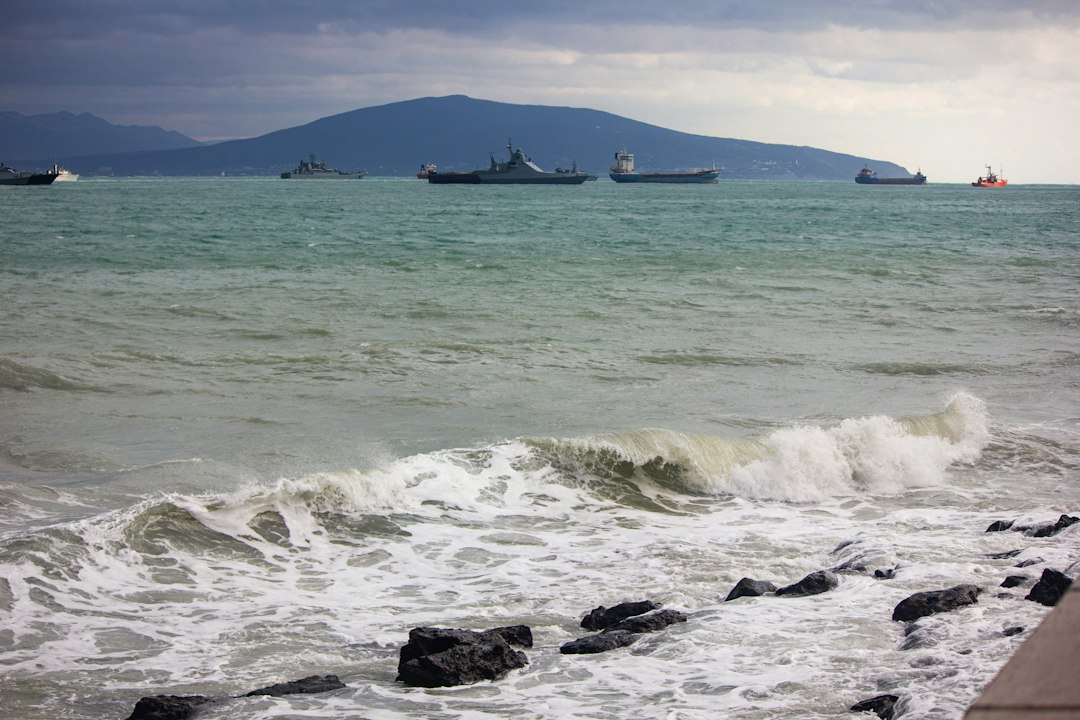
This incident reflects the growing instability in the region, particularly following an uptick in attacks on vessels since the commencement of conflict between the U.S. and Israel and Iran in early February. Analysts note that the frequency of maritime security incidents has significantly increased, eliciting fears of broader disruptions to shipping operations and potentially impacting crude oil prices.

Traffic and Economic Implications
Following these events, vessel transits through the crucial Strait of Hormuz, which historically carries 20% of global oil supply, have reportedly dropped to their lowest levels in over two months. The reduction in shipping activity raises immediate concerns for global oil supply chains and illustrates the fragile nature of maritime commerce in a high-tension geopolitical landscape.
The Operational Read
This incident demonstrates the complex operational realities in maritime affairs, particularly in high-risk areas such as the Gulf of Oman. For shipping operators, strict adherence to updated navigational advisories and security protocols is essential. The U.S. military’s direct action raises operational costs and risks, as shipowners may now need to consider war-risk premiums and rerouting options. Stakeholders should monitor developments closely, assess the security of their operations, and prepare for potential disruptions in a strategically critical maritime chokepoint.