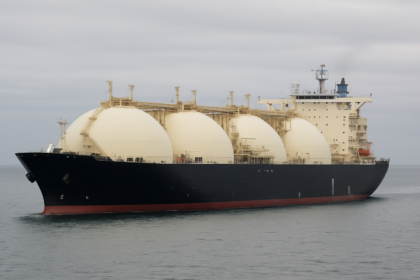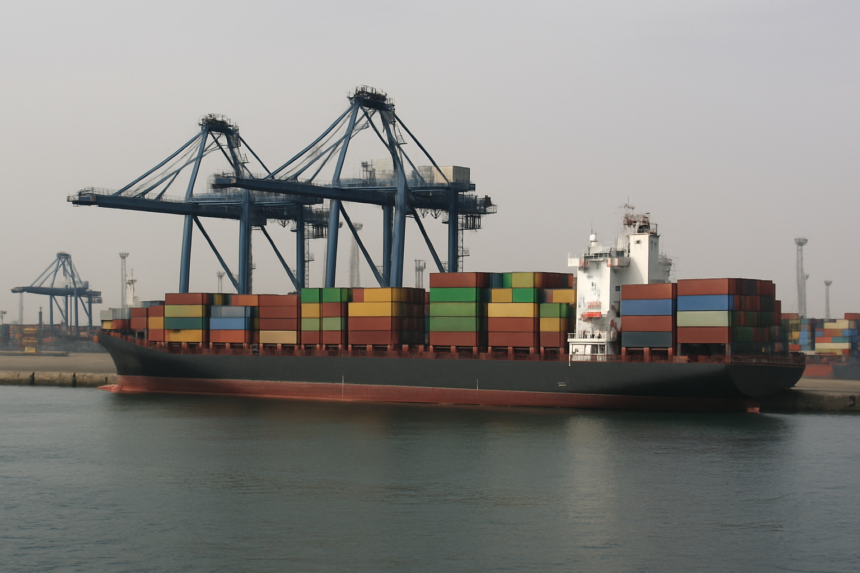
The CMA CGM Group, in partnership with Red Sea Gateway Terminal (RSGT), has committed an initial $434 million to develop Terminal 4 at Jeddah Islamic Port, increasing its container handling capacity by 2.6 million TEUs annually. This investment comes as part of a strategy to accommodate the growing trade volumes in Saudi Arabia and enhance the port’s significance on major East-West shipping routes in the Red Sea.
The Project Details
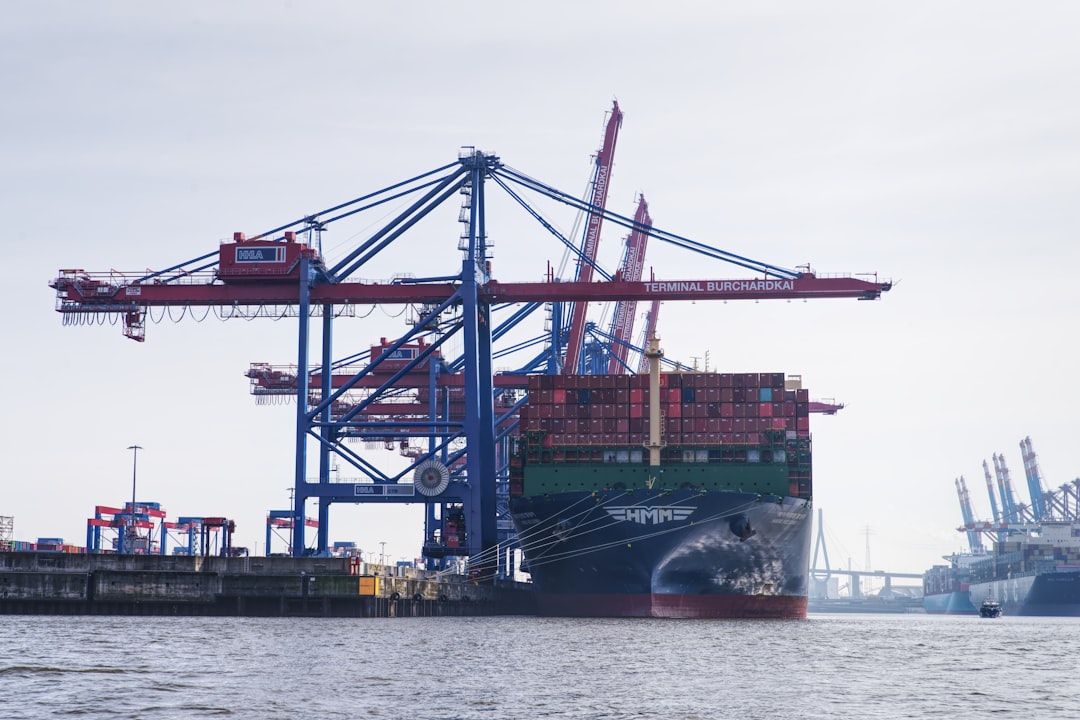
The definitive agreements between CMA CGM and RSGT will lead to the construction of deep-water berths and the installation of 10 new ship-to-shore cranes. Lars Vang Christensen, Group CEO of RSGT, emphasized that this project marks a key turning point in the further development of Jeddah Islamic Port. These enhancements will enable the port to service larger, next-generation container vessels, effectively bolstering its competitiveness and logistical capabilities.
Strategic Implications
According to CMA CGM Chairman Rodolphe Saadé, the expansion reflects a growing recognition of terminal operations as vital strategic assets within the shipping industry. As the company seeks to enhance its operational reliability across major trade corridors, this partnership with RSGT positions it favorably within the logistics landscape of the Red Sea. The agreement, signed in Paris, coincided with a high-profile investment roundtable attended by significant political figures, such as Saudi Crown Prince Mohammed bin Salman and French President Emmanuel Macron.

Future Prospects
This development is a critical component of Saudi Arabia’s broader Vision 2030 initiative, which aims to transform the Kingdom into a global logistics hub. As Jeddah Islamic Port is situated along the vital Asia-Europe trade corridor, the enhancements are set to attract increased international shipping services, thereby reinforcing Saudi Arabia’s role in regional transshipment and logistics activity.
Behind the Headline
The partnership between CMA CGM and RSGT not only signifies a substantial financial commitment to the infrastructure of Jeddah Islamic Port but also represents a strategic shift in how terminal operations are viewed by major shipping lines. With the ability to handle larger vessels and increased throughput, Jeddah is on track to become a focal point for regional trade, thus transforming operational dynamics for shipping companies and local businesses. Moving forward, stakeholders should monitor how this infrastructure development impacts freight rates, service differentiation, and competition for market share along major global trade routes.