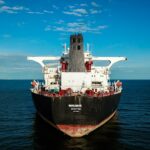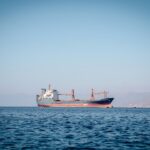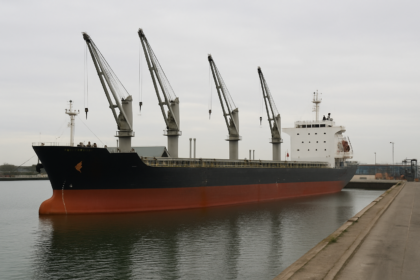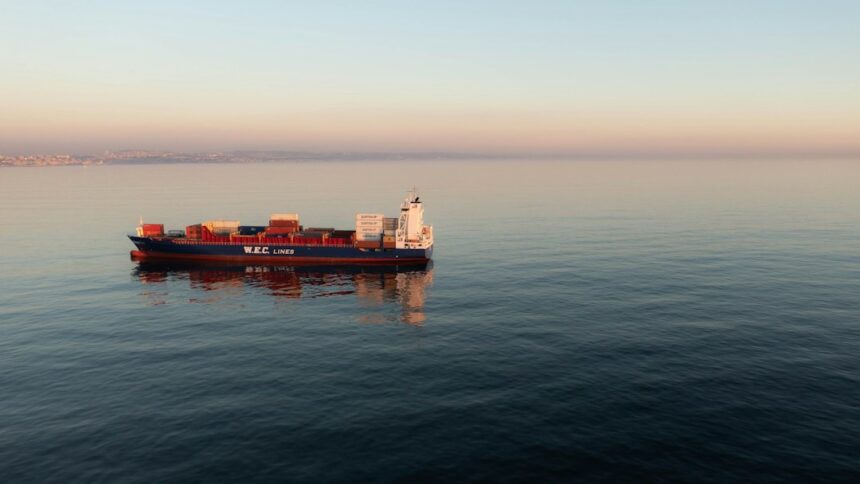
On October 11, 2026, South Korea’s container ship, the PanStar Acro, successfully completed the nation’s first commercial round trip to Europe via the Arctic. This pioneering journey, which commenced on August 22, underscores South Korea’s ambitions to utilize the Arctic route for international maritime trade and enhance the port of Busan’s status as a global shipping hub.
Route Overview
The voyage lasted 50 days and took the PanStar Acro through Arctic waters, marking a significant milestone in South Korea’s shipping initiatives. The vessel’s itinerary included key European ports such as Felixstowe in the UK, Rotterdam in the Netherlands, and Gdansk in Poland, before returning to Busan via the same polar route. Officials suggest that this Arctic passage could reduce typical voyage times by approximately one-third, making it an attractive option for future shipping logistics.
Operational Challenges
Despite the successful completion of this inaugural journey, the mission revealed several operational challenges. On departure, PanStar was targeting approximately 1,300 twenty-foot equivalent units (TEU) of cargo; however, it returned with only 737 TEU and additional empty containers. Industry observers note that reliable scheduling, the financial implications of navigating around ice, and newly incurred insurance premiums could significantly affect the route’s viability and attractiveness to shipping companies.


Looking Ahead
President Lee Jae Myung has made Arctic shipping a national priority, with ambitions to establish regular commercial services by 2030. However, the endeavor faces complexities, particularly regarding ongoing geopolitical tensions involving Russia. The route runs along Russia’s Arctic coastline, necessitating consultations with Moscow about ice navigation and contingencies for stranded vessels. This factor raises potential friction with Western allies who prefer to isolate Russia amidst its ongoing conflict with Ukraine.
Behind the Headline
The completion of the PanStar Acro’s first Arctic voyage opens new avenues for South Korea’s shipping industry, particularly in enhancing logistical efficiency via shorter routes. However, the operational realities pose a challenge, as lower cargo volumes and increased operational costs could deter regular service establishment. For operators, the critical focus will be on ensuring dependable schedules amidst ice navigation concerns, alongside navigating shifting geopolitical landscapes that could affect access to these routes. Stakeholders will need to closely monitor these developments as they could significantly influence future shipping patterns and the broader maritime market.